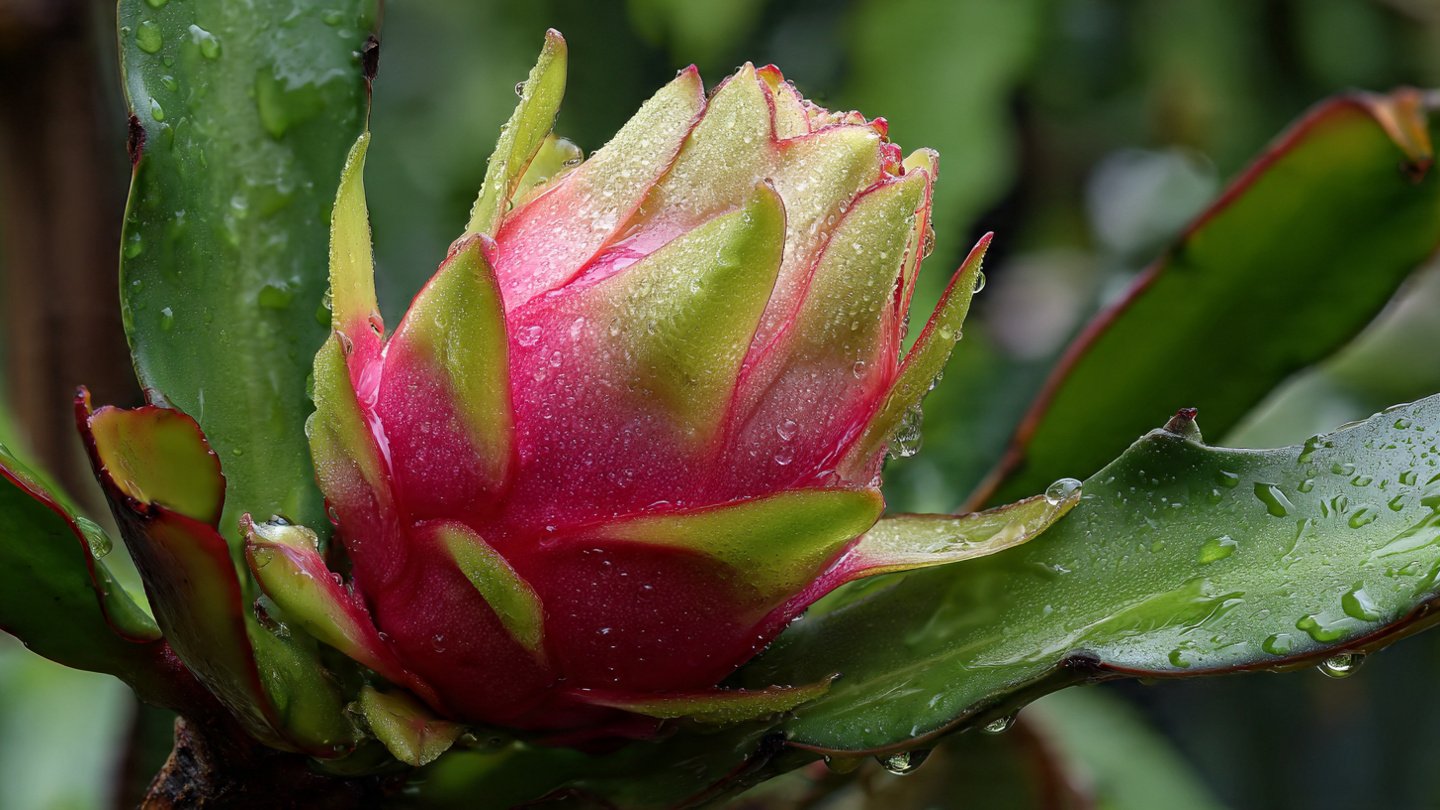
Dragon fruit, also known as pitaya, is a unique and exotic fruit that has surged in popularity worldwide due to its distinctive appearance and numerous health benefits. This tropical fruit, native to Central America, has captivated fruit enthusiasts, health-conscious individuals, and home gardeners alike. One of the most appealing aspects of dragon fruit cultivation is its ability to flourish in a variety of climates. If you’re eager to grow dragon fruit and want to know the secrets to ensuring its rapid growth, this article will delve into vital cultivation techniques and key trick that can significantly accelerate its development.
Understanding Dragon Fruit
Before diving into the cultivation techniques, it’s essential to understand what dragon fruit is and its growing requirements. The dragon fruit plant is a climbing cactus and belongs to the genus Hylocereus or Selenicereus. The fruit is characterized by its vibrant pink or yellow skin, green scale-like protrusions, and white or red flesh speckled with tiny black seeds.
Latest Posts
- How to Use Invisible Wire for a Stunning Climbing Plant Wall
- Are Your Garden Tools Making Your Plants Sick?
- How to Style a Small Studio with Columnar Cacti
- Why Is My Zucchini Shaped Like a Lightbulb?
- How to Protect Your Fruit From Birds Without Nets
- How to Keep Squirrels Away from Your Fruit Trees
- How to Protect Your Fruit from Birds Without Nets
- Why Biochar Is a Game-Changer for Your Kitchen Garden
- Why Some Rare Cacti Bloom Only One Night a Year
- How to Grow Rare Blue Strawberries at Home
Dragon fruit thrives in warm, humid climates and requires plenty of sunlight. It can be grown in various soil types, provided they are well-draining. This hardy plant is relatively drought-resistant, making it a suitable choice for many gardeners.
Preparing for Planting
-
Choosing the Right Location:
- Select a sunny spot that receives at least 6 to 8 hours of direct sunlight daily.
- Ensure that the location has proper drainage to prevent root rot.
- Urban gardeners with limited space can also consider using containers for growing dragon fruit.
-
Soil Requirements:
- Use well-draining soil with a pH level between 6.0 and 7.0.
- A mix of potting soil, sand, and perlite or pumice is ideal.
- Amend the soil with organic matter, such as compost, to provide essential nutrients.
-
Supporting Structures:

- As a climbing cactus, dragon fruit requires support to grow properly.
- A trellis, fence, or post can serve as an excellent support structure.
- Ensure the support is sturdy and tall enough to accommodate the plant’s growth.
The Key Trick for Rapid Growth
The secret to cultivating dragon fruit quickly lies in effective propagation and care techniques. Here’s a detailed look at the key trick that can expedite growth:
Using Cuttings for Propagation
Propagating dragon fruit from cuttings is a surefire method to achieve rapid results. Here’s how to do it efficiently:
-
Select Healthy Cuttings:
- Choose a healthy, mature dragon fruit plant and take cuttings from the stem.
- The cuttings should be around 6 to 12 inches long, with a minimum of three nodes (the segments on the stem).
-
Allow Cuttings to Heal:
- After cutting, let the ends of the cuttings dry and callous for 2-3 days in a shaded area. This step minimizes the risk of rot when planted.
-
Planting the Cuttings:

- Prepare a pot with the well-draining soil mix as mentioned earlier.
- Plant the cuttings vertically, burying them about 1-2 inches deep.
- Water the cuttings lightly to avoid saturation but ensure the soil maintains a little moisture.
-
Provide Proper Care:
- Place the potted cuttings in a sunny location.
- Water them sparingly, allowing the soil to dry out between waterings.
- Once you notice signs of growth, you can increase watering frequency.
Essential Care Tips for Rapid Growth
In addition to the propagation technique, proper care is crucial for encouraging quick growth. Below are essential care tips:
1. Watering:
- Dragon fruit is drought-resistant but needs consistent moisture, especially after planting.
- Water the plants once a week. In hotter climates, increase the frequency but avoid over-watering.
2. Fertilization:
- Use a balanced fertilizer every few months. A fertilizer high in phosphorus will encourage flowering and fruiting.
- Organic compost can also be beneficial to enrich the soil.
3. Mulching:
- Apply a layer of mulch around the base of your plant to help retain moisture and suppress weeds.
- Organic mulch, such as straw or wood chips, is ideal.

4. Sunlight and Temperature:
- Ensure the plants receive ample sunlight as they thrive in bright conditions.
- Dragon fruit prefers warm temperatures; protect them from frost or extreme cold.
5. Pest and Disease Management:
- Keep an eye out for pests like mealybugs and aphids. Regularly inspect the plants and treat infestations promptly with insecticidal soap or neem oil.
- Ensure proper air circulation around the plants to prevent diseases caused by excess moisture.
Transplanting Young Plants
Once the cuttings have established roots and started to grow, you may want to transplant them into a larger container or into the ground. Here’s how to do it effectively:
-
Transplant Timing:
- Transplant young plants after about 6-8 weeks of growth, ensuring they have formed strong roots.
-
Preparation:
- Prepare the new planting site in advance, ensuring it meets the soil and drainage requirements outlined earlier.
-
Transplanting Procedure:

- Gently remove the young plant from its current container, taking care not to damage the roots.
- Place it in the new site, backfill with soil, and water lightly.
Encouraging Fruiting
After a few months of proper growth and care, your dragon fruit plant will begin to flower. Here are tips to encourage fruiting:
-
Temperature and Light:
- Ensure optimal conditions for flowering; temperature should ideally be above 60°F (15°C).
- Continue to provide full sun exposure.
-
Pollination:
- Dragon fruit flowers open at night and are typically pollinated by nocturnal pollinators like bats and moths. To increase fruit yield, consider hand-pollinating the flowers using a small brush.
- Gently transfer pollen from the male flower (many blooms will have one or two male flowers) to the stigma of the female flower.
-
Timing of Harvest:
- Dragon fruit typically takes around 30 to 50 days to mature after pollination.
- When the fruit’s skin changes color and it is slightly soft to the touch, it’s time to harvest.

Challenges in Cultivation
Like any plant, cultivating dragon fruit does come with its challenges:
-
Cold Weather:
- Dragon fruit is not frost-tolerant. In colder climates, consider covering your plants or bringing potted plants indoors during winter months.
-
Pest Infestation:
- Regular checks are necessary, as pests can rapidly affect healthy plants. Preventative measures will save time and resources in the long run.
-
Root Rot:
- Excess watering can lead to root rot. Always ensure well-draining soil to prevent this issue.
Conclusion
Cultivating dragon fruit can be a rewarding and enjoyable endeavor, combining elements of gardening with the potential for delicious fruit. By using cuttings for rapid propagation, ensuring proper care, and managing growth conditions, you can cultivate this striking cactus quickly and effectively. With patience and dedication, you’ll soon harvest your dragon fruit, delighting in the vibrant colors and unique flavors of this fascinating fruit. So pick up those cuttings, provide the right conditions, and watch your dragon fruit grow!