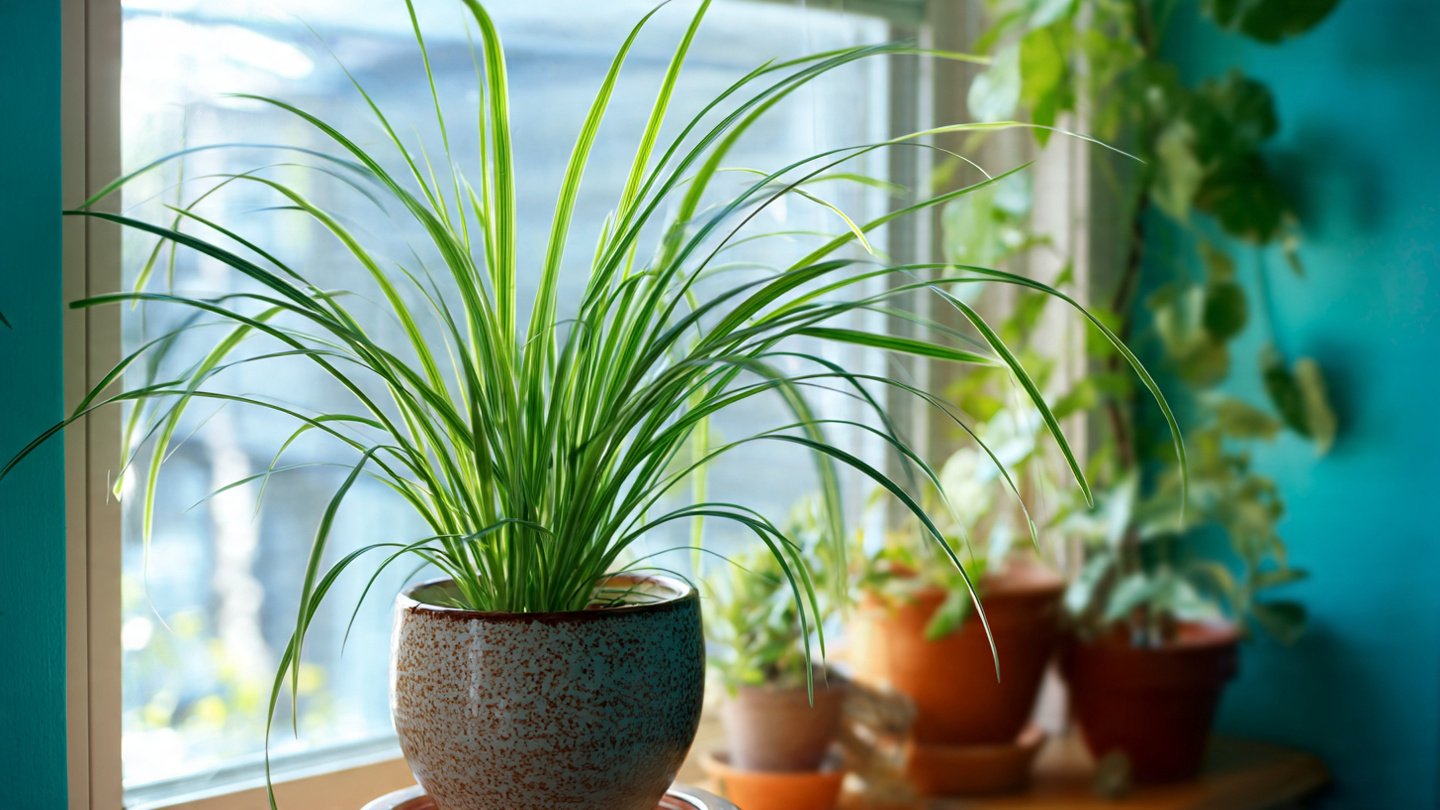
Lemongrass, known scientifically as Cymbopogon citratus, is a tropical plant infused with a refreshing citrus flavor and aroma. This vibrant herb not only enhances culinary dishes but also offers numerous health benefits, making it an asset to any indoor garden. If you’re wondering whether you can easily cultivate lemongrass indoors, the answer is a resounding yes! In this article, we’ll explore the benefits of growing lemongrass indoors, the steps involved, and tips for successful cultivation.
The Benefits of Growing Lemongrass Indoors
1. Accessibility
Latest Posts
- How to Use Invisible Wire for a Stunning Climbing Plant Wall
- Are Your Garden Tools Making Your Plants Sick?
- How to Style a Small Studio with Columnar Cacti
- Why Is My Zucchini Shaped Like a Lightbulb?
- How to Protect Your Fruit From Birds Without Nets
- How to Keep Squirrels Away from Your Fruit Trees
- How to Protect Your Fruit from Birds Without Nets
- Why Biochar Is a Game-Changer for Your Kitchen Garden
- Why Some Rare Cacti Bloom Only One Night a Year
- How to Grow Rare Blue Strawberries at Home
Having lemongrass within arm’s reach means you can effortlessly enhance your meals with fresh, aromatic flavor. Unlike buying it from a store, where shelf life is often limited, indoor cultivation ensures you always have a supply ready for use.
2. Health Benefits
Lemongrass is rich in essential vitamins and antioxidants. It has been shown to possess antibacterial and antifungal properties. Consuming lemongrass tea can aid digestion, reduce inflammation, and even relieve anxiety.
3. Air Purification
Like many plants, lemongrass is effective at purifying indoor air, absorbing toxins and releasing oxygen. This contributes to a healthier indoor environment.
4. Aesthetic Appeal
The tall, graceful stalks of lemongrass can add a lush, green touch to your indoor spaces. It can serve as an attractive addition to your home decor and create a refreshing ambiance.

Choosing the Right Environment
1. Location
Lemongrass thrives in bright, indirect sunlight. Ideally, place your pots near a south or west-facing window. If you don’t have access to ample sunlight, consider using grow lights to ensure your plants receive the necessary light for optimal growth.
2. Temperature
Lemongrass prefers warm temperatures ranging from 70°F to 85°F (21°C to 29°C). Avoid placing your pots in drafty areas or near heating or cooling vents, as temperature fluctuations can stress the plant.
3. Humidity
As a tropical plant, lemongrass enjoys humidity. To recreate its native environment, consider using a humidity tray or misting the plant occasionally. You can also group several plants together to create a humid microclimate.
Sourcing Lemongrass
1. Grocery Store
One of the easiest ways to start is to purchase fresh stalks from your local grocery store or farmers’ market. Look for firm stalks with a vibrant green color, as these are signs of freshness.
2. Online
If you prefer convenience, many online retailers offer fresh lemongrass stalks or even seeds. Ensure you buy from reputable sellers to get quality plants.

3. Local Nurseries
Many garden centers and nurseries sell lemongrass plants, either in pots or as seedlings. This can be a great way to start, as you often receive healthy, established plants.
Propagation Methods
1. Using Fresh Stalks
Starting with fresh stalks from the grocery store is the simplest method:
- Preparation: Trim the green tops and leave about 4-6 inches of the stalk intact.
- Rooting: Place the stalks in a glass of water, ensuring that the cut ends are submerged. Leave them in a sunny spot.
- Roots Development: After a week or so, you should see roots developing. Once the roots are about 2-3 inches long, it’s time to transfer them to soil.
2. Seed Propagation
If you’re looking for a more traditional method:
- Soil Preparation: Use a well-draining potting mix.
- Sowing Seeds: Sprinkle the seeds over the soil and cover them lightly with soil.
- Watering: Keep the soil moist but not soggy. Germination typically takes 14-21 days.

Transplanting
Once your stalks have developed healthy roots or your seedlings are about 3-4 inches tall, it’s time for transplanting:
- Choose the Right Pot: Ensure it has drainage holes at the bottom and is at least 6-8 inches deep.
- Soil: Use a rich, well-draining potting mix, ideally one that retains moisture while allowing excess water to escape.
- Transplanting Procedure:
- Make a hole in the center of the pot.
- Place the rooted stalk in the hole and cover with soil, ensuring the soil is firm but not compacted.
- Water thoroughly.
Care and Maintenance
1. Watering
Lemongrass prefers consistently moist soil. Water your plants when the top inch of soil feels dry. Ensure excess water drains from the pot to prevent root rot.
2. Fertilizing
To promote healthy growth, apply a balanced liquid fertilizer every 4-6 weeks during the growing season (spring and summer). Reduce fertilization in the fall and winter when growth slows down.
3. Pruning
Regularly trim your lemongrass to remove any yellow or brown leaves. This encourages new growth and helps maintain an attractive appearance.
4. Pests and Diseases
Lemongrass is generally hardy but can be susceptible to common pests like aphids and spider mites. Monitor your plants regularly and treat infestations promptly with insecticidal soap or neem oil.
5. Harvesting
Once your lemongrass plant is well-established, you can begin harvesting the stalks:
- Timing: Harvest stalks when they are at least 12 inches tall, ensuring you leave enough foliage for continued growth.
- Technique: Use a sharp knife to cut the stalks at the base, taking care not to damage the surrounding stalks.

Common Issues and Troubleshooting
1. Yellowing Leaves
This may indicate overwatering or nutrient deficiency. Ensure you’re not allowing the soil to become soggy, and check if you need to fertilize.
2. Wilting
Lemongrass can droop if it’s under-watered. Check the soil moisture and provide adequate water.
3. Stunted Growth
Poor lighting or lack of nutrients can lead to slow growth. Ensure your plant is receiving enough light and consider fertilizing more frequently.
Conclusion
Growing lemongrass indoors is both rewarding and accessible for anyone, from beginners to seasoned gardeners. With the right environment, care, and attention, you can cultivate this fragrant herb year-round. Whether used in culinary dishes or for health benefits, lemongrass will undoubtedly add a splash of vitality to your home. So, why wait? Transform your indoor space into a refreshing haven by embarking on your lemongrass-growing journey today!