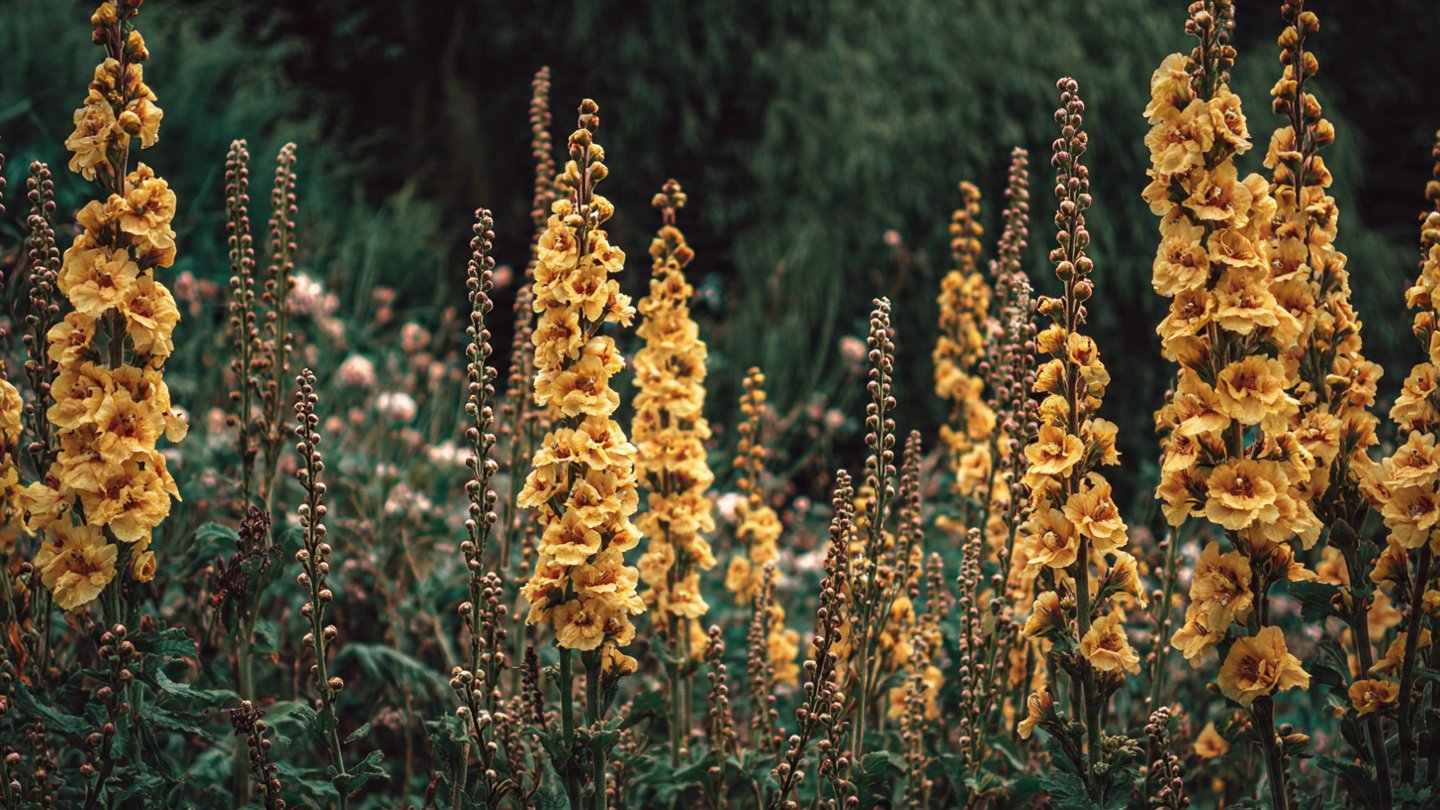
Mullein (Verbascum thapsus) is a striking biennial or short-lived perennial plant that boasts tall, dramatic flower spikes. These spikes, known for their vibrant yellow flowers, can add a unique touch to any garden. Mullein is not only aesthetically pleasing but also has been used in traditional herbal medicine for centuries. Growing mullein flower spikes can be a rewarding experience, not just for their beauty but also for their resilience and adaptability. Here’s a comprehensive guide on how to effectively grow mullein flower spikes for a vibrant garden.
Understanding Mullein
Botanical Profile
Latest Posts
- How to Use Invisible Wire for a Stunning Climbing Plant Wall
- Are Your Garden Tools Making Your Plants Sick?
- How to Style a Small Studio with Columnar Cacti
- Why Is My Zucchini Shaped Like a Lightbulb?
- How to Protect Your Fruit From Birds Without Nets
- How to Keep Squirrels Away from Your Fruit Trees
- How to Protect Your Fruit from Birds Without Nets
- Why Biochar Is a Game-Changer for Your Kitchen Garden
- Why Some Rare Cacti Bloom Only One Night a Year
- How to Grow Rare Blue Strawberries at Home
Mullein is part of the Scrophulariaceae family and is native to Europe, Asia, and North Africa. The plant typically grows between 2 to 6 feet tall and possesses large, fuzzy leaves that form a rosette in the first year. The second year sees the emergence of a tall flower spike that can reach up to 4 feet, adorned with yellow flowers that bloom in summer and attract bees and other pollinators.
Habitat and Requirements
Mullein thrives in a variety of habitats, including open fields, roadsides, and disturbed areas. It prefers:
- Sunlight: Full sun is ideal for abundant flowering.
- Soil: Well-draining soil with a slightly alkaline to neutral pH.
- Watering: Mullein is drought-tolerant once established but appreciates moderate watering during prolonged dry spells.
Steps to Grow Mullein Flower Spikes
1. Selecting the Right Variety

While the common mullein (Verbascum thapsus) is widely known, several other species and cultivars can add variety to your garden. Some popular choices include:
- Verbascum phoeniceum: This species features colorful flowers ranging from purple to pink.
- Verbascum chaixii: Known for its shorter stature and bright yellow blooms.
2. Preparing the Soil
Before planting mullein, ensure the soil is adequately prepared:
- Site Selection: Choose a sunny location that receives at least six hours of direct sunlight daily.
- Soil Testing: Test your soil pH. Mullein prefers a pH of 6.0 to 7.0. Amend the soil if necessary.
- Soil Amendment: Incorporate organic matter to improve soil quality and drainage. Compost works well.
3. Propagation Methods
Mullein can be propagated through seeds or transplants.
Seed Propagation
- Timing: Sow seeds in spring or late summer.
- Sowing: Scatter seeds on the soil surface and lightly press them in. Mullein seeds require light for germination, so no more than 1/8 inch of soil should cover them.
- Spacing: Space seeds about 18 inches apart to allow for ample growth.
Transplanting
- Seedlings: Start seeds indoors 8-10 weeks before the last frost and transplant after the danger of frost has passed.
- Spacing: Transplant seedlings at least 18 inches apart for optimal growth.
4. Watering and Fertilization
- Initial Watering: Water freshly sown seeds lightly to maintain soil moisture but avoid waterlogging.
- Established Plants: Mullein is drought-tolerant, but during severe droughts, provide additional water.
- Fertilizing: Limit fertilization; too much nitrogen can cause leggy growth. A balanced, slow-release organic fertilizer at planting can promote healthy growth.
5. Maintenance
- Weeding: Mullein can be susceptible to competition. Regularly remove weeds to ensure they don’t outcompete the young plants.
- Pest Management: Mullein is generally pest-resistant due to its texture. However, be mindful of aphids or caterpillars. Introduce natural predators or use insecticidal soap as needed.

6. Harvesting Mullein Flowers
Mullein flower spikes typically bloom in late summer. To enjoy their beauty and utility, consider the following tips for harvesting:
- Timing: Harvest flowers in the early morning after the dew has evaporated for optimal freshness.
- Method: Use sharp shears to cut the flower spikes, ideally leaving some lower leaves and flowered stalks for continued growth.
7. Encouraging a Second Bloom
After the initial flowering period has ended, you might wish to prolong the blooming:
- Deadheading: Remove spent flowers to encourage further blooms and avoid seed formation.
- Watering and Feeding: Continue to provide light moisture and occasional feeding to support ongoing growth.
Benefits of Mullein in the Garden
1. Pollinator-Friendly
Mullein flowers attract a variety of pollinating insects, including bees and butterflies. By growing mullein, you contribute to the local ecosystem and support these vital pollinators.
2. Medicinal Qualities
Mullein has a long history of use in herbal medicine, particularly for respiratory issues. The leaves can be used to make teas, and the flowers are often infused in oils for topical applications.
3. Soil Improvement
Mullein can aid in soil improvement. Its deep taproot helps break up compacted soil, allowing better aeration and drainage. Additionally, as a biennial, it can add organic matter to the soil after it dies back.
Troubleshooting Common Issues
1. Poor Germination
If seeds aren’t germinating, check the following:
- Watering: Ensure consistent moisture without waterlogging.
- Light: Reassess seed depth and ensure seeds receive adequate light for germination.
- Temperature: Mullein seeds prefer warm soil for optimal germination.
2. Stunted Growth
If your plants appear to be stunted:
- Soil Quality: Test for nutrient deficiencies and amend accordingly.
- Competing Weeds: Ensure weeds are kept at bay to allow for healthy growth.
3. Disease and Pests
While mullein is generally resistant to many pests, be on the lookout for:
- Aphids: Use insecticidal soap or introduce beneficial insects like ladybugs.
- Fungal Diseases: Avoid overhead watering to mitigate the risk of fungal infections.
Conclusion
Growing mullein flower spikes can add both beauty and functionality to your garden. With their tall stature and vibrant blooms, they serve as a focal point while also enhancing benevolent local wildlife like pollinators. By carefully selecting the right variety, preparing your soil, and following appropriate cultivation practices, you can cultivate healthy mullein plants that will grace your garden for years to come. Whether you admire their aesthetic appeal or appreciate their medicinal properties, mullein is an excellent addition to any landscape.
With proper care and attention, your garden can become a vibrant sanctuary flourishing with the stunning spikes of mullein, enhancing both your outdoor space and your connection to nature. Happy gardening!