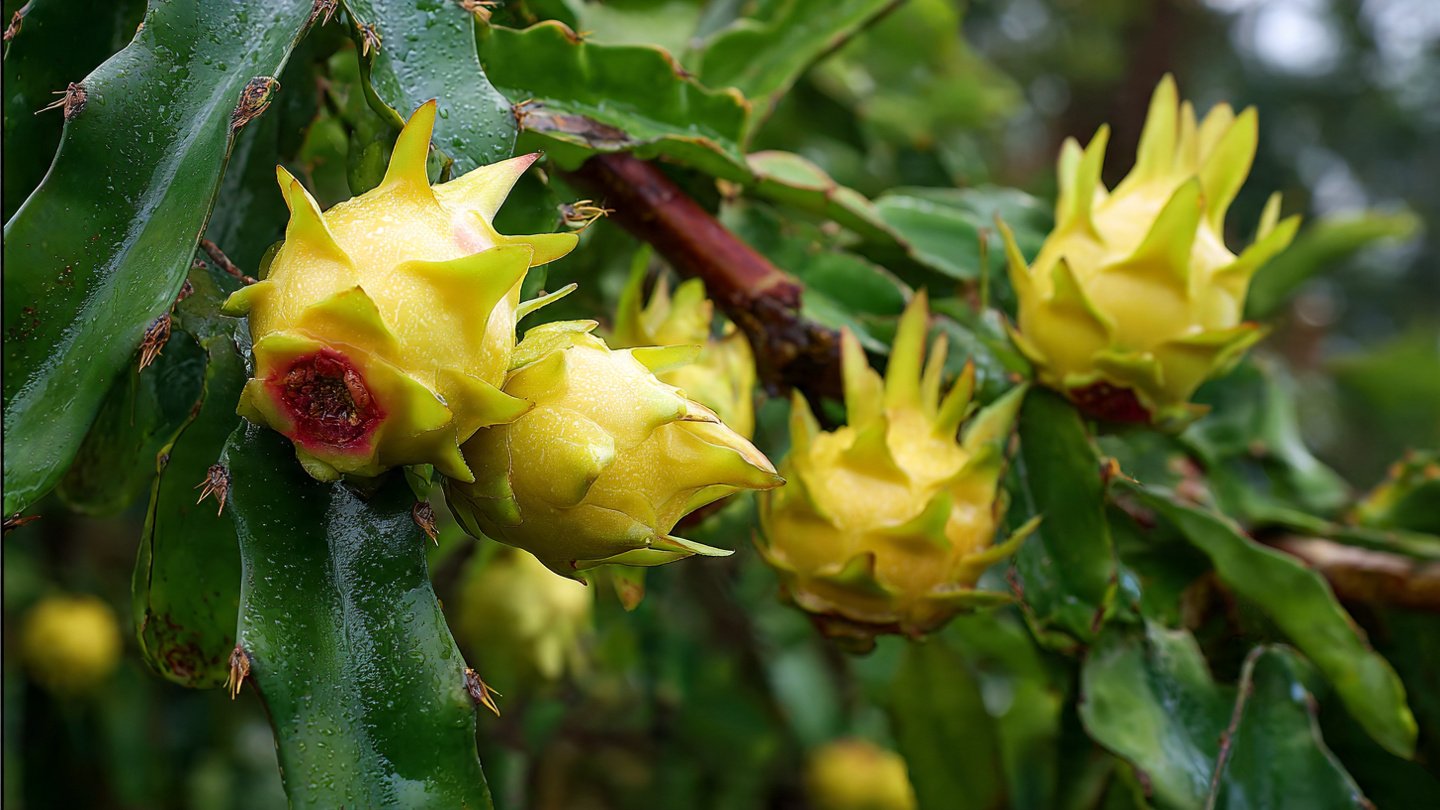
The yellow dragon fruit, also known as Hylocereus megalanthus, is a tropical fruit noted for its vibrant yellow skin and sweet, white flesh speckled with tiny black seeds. With its striking appearance and delectable flavor, it has gained popularity among both home gardeners and commercial growers. However, successful cultivation of this exotic fruit requires a solid understanding of its care needs. This comprehensive guide aims to provide detailed information on how to properly care for the yellow dragon fruit variety for optimal growth.
Understanding Yellow Dragon Fruit
Before delving into care specifics, it’s essential to understand what yellow dragon fruit is and its unique needs. Unlike its more common counterpart, the red dragon fruit, the yellow variety tends to have a sweeter flavor and a slightly different nutritional profile. The yellow dragon fruit plant belongs to the Cactaceae family and is characterized by its climbing habit, needing support to thrive.
Latest Posts
- How to Use Invisible Wire for a Stunning Climbing Plant Wall
- Are Your Garden Tools Making Your Plants Sick?
- How to Style a Small Studio with Columnar Cacti
- Why Is My Zucchini Shaped Like a Lightbulb?
- How to Protect Your Fruit From Birds Without Nets
- How to Keep Squirrels Away from Your Fruit Trees
- How to Protect Your Fruit from Birds Without Nets
- Why Biochar Is a Game-Changer for Your Kitchen Garden
- Why Some Rare Cacti Bloom Only One Night a Year
- How to Grow Rare Blue Strawberries at Home
Ideal Growing Conditions
Climate
The yellow dragon fruit thrives in warm, tropical climates. Ideally, it requires temperatures between 65°F and 85°F (18°C to 30°C). It is sensitive to frost and can sustain damage if temperatures fall below 32°F (0°C). Therefore, if you’re in a region with cold winters, consider growing it in pots that can be moved indoors or to a greenhouse during chilly months.
Soil
Well-draining soil is crucial for the yellow dragon fruit. A pH level of 6 to 7 is optimal. Sandy loam or a mix of potting soil with sand and perlite works well. Avoid compacted or clayey soils that retain water, as they can lead to root rot.
Light
Yellow dragon fruit requires full sun for optimum growth. Aim for at least 6 hours of direct sunlight daily. Insufficient light can result in poor growth and lower fruit yields. However, in areas with extremely hot summers, provide some afternoon shade to protect the plant from scorching.
Planting Yellow Dragon Fruit
Selecting a Site
Choose a well-drained, sunny location for planting the yellow dragon fruit. Ensure that the area has good air circulation to prevent fungal diseases. Avoid areas prone to waterlogging.

Spacing
If you’re planting multiple dragon fruit plants, space them at least 10 to 15 feet apart. This spacing allows for adequate airflow and prevents competition for nutrients.
Planting Method
-
Soil Preparation: Prepare the soil by mixing in compost or well-rotted manure. This will enhance nutrient content.
-
Digging the Hole: Dig a hole about 2-3 feet deep and wide. The depth will accommodate the roots as they grow.
-
Planting: Place the dragon fruit cutting or seedling in the center of the hole. Make sure the top of the root ball is level with the ground surface. Fill in around the roots with soil and pat down lightly to remove air pockets.
-
Watering: Water thoroughly after planting and keep the soil consistently moist but not soggy for the first month. Establishing roots are critical during this period.
Watering
Watering is a crucial component of dragon fruit care. The plant thrives in dry conditions, so it’s essential not to overwater. Follow these guidelines:
-
Frequency: Water every 2-3 weeks during the growing season (spring and summer). Reduce frequency during the fall and winter months when the plant is dormant.

-
Signs of Underwatering: Yellowing leaves and wilting are signs of underwatering. Adjust your watering schedule accordingly.
-
Signs of Overwatering: Root rot will present symptoms like mushy stems and dropping leaves. If this occurs, reduce watering and improve drainage.
Fertilizing
Properly fertilizing dragon fruit is important for healthy growth and fruit production.
Types of Fertilizer
-
Organic Fertilizers: Use compost, well-rotted manure, or fish emulsion. These provide slow-release nutrients.
-
Chemical Fertilizers: A balanced 10-10-10 or 20-20-20 NPK fertilizer can promote rapid growth.
Application Frequency
-
Growing Season: Fertilize every 4-6 weeks during the active growing season (spring and summer) with balanced fertilizer.
-
Dormant Season: Reduce fertilization or stop entirely during fall and winter.

How to Apply
- Soil Application: Sprinkle the fertilizer around the base of the plant and lightly work it into the soil.
- Foliar Application: Dilute liquid fertilizer in water and spray the leaves for quick absorption.
Pruning and Training
When to Prune
Pruning should be done in early spring, before the growing season begins. It helps control the plant’s size and encourages bushier growth.
How to Prune
-
Remove Dead Growth: Cut away dead or damaged stems using sharp, clean pruning shears.
-
Shape the Plant: Trim the tips of long stems to encourage branching. Aim for a structure with multiple arms, which helps in supporting fruit.
Training the Plant
Since yellow dragon fruit is a climbing cactus, it needs support. Install a trellis, post, or wire support system when planting.
-
Trellis Height: Aim for at least 5 to 6 feet tall.
-
Support Placement: As stems grow, gently tie them to the support using soft string or cloth to prevent damage.
Pest and Disease Management
Common Pests
-
Mealybugs: These small, white insects can suck the sap from plants, leading to weak growth. Use insecticidal soap or neem oil for control.
-
Fruit Flies: They can invade ripening fruits. Hanging yellow sticky traps can attract and catch them.
-
Snails and Slugs: These can be deterred by placing diatomaceous earth around the base of the plant.
Common Diseases
-
Root Rot: Caused by overwatering or poor drainage. Use fungicide and ensure proper watering techniques.
-
Fungal Infections: Prevent fungal diseases through good airflow and avoiding overhead watering. Use fungicides if necessary.
-
Bacterial Soft Rot: A bacterium can cause soft, mushy stems. Remove infected parts immediately and avoid watering at night.
Harvesting Yellow Dragon Fruit
When to Harvest
Yellow dragon fruit typically matures 30 to 50 days after flowering. Signs of ripeness include bright yellow skin and slight softness when gently squeezed.
How to Harvest
- Cutting: Use sharp, clean garden shears to cut the fruit from the plant, leaving a small portion of the stem attached.
- Handling: Be gentle, as the fruit is delicate and can bruise easily.
Post-Harvest Care
Allow the harvested fruits to rest at room temperature for a couple of days before refrigeration. Yellow dragon fruit is best consumed fresh but can also be stored in the refrigerator for up to a week.
Conclusion
Growing yellow dragon fruit can be a rewarding venture with the right care and attention. By understanding its unique environmental needs, proper watering techniques, fertilization, pest control, and pruning, you can enjoy the sweet rewards of lush, healthy plants. Whether for personal enjoyment or commercial cultivation, adhering to these guidelines will help ensure that your yellow dragon fruit thrives and produces bountiful harvests. Happy gardening!