How to Care for Your Dragon Fruit Indoors: A Comprehensive Guide
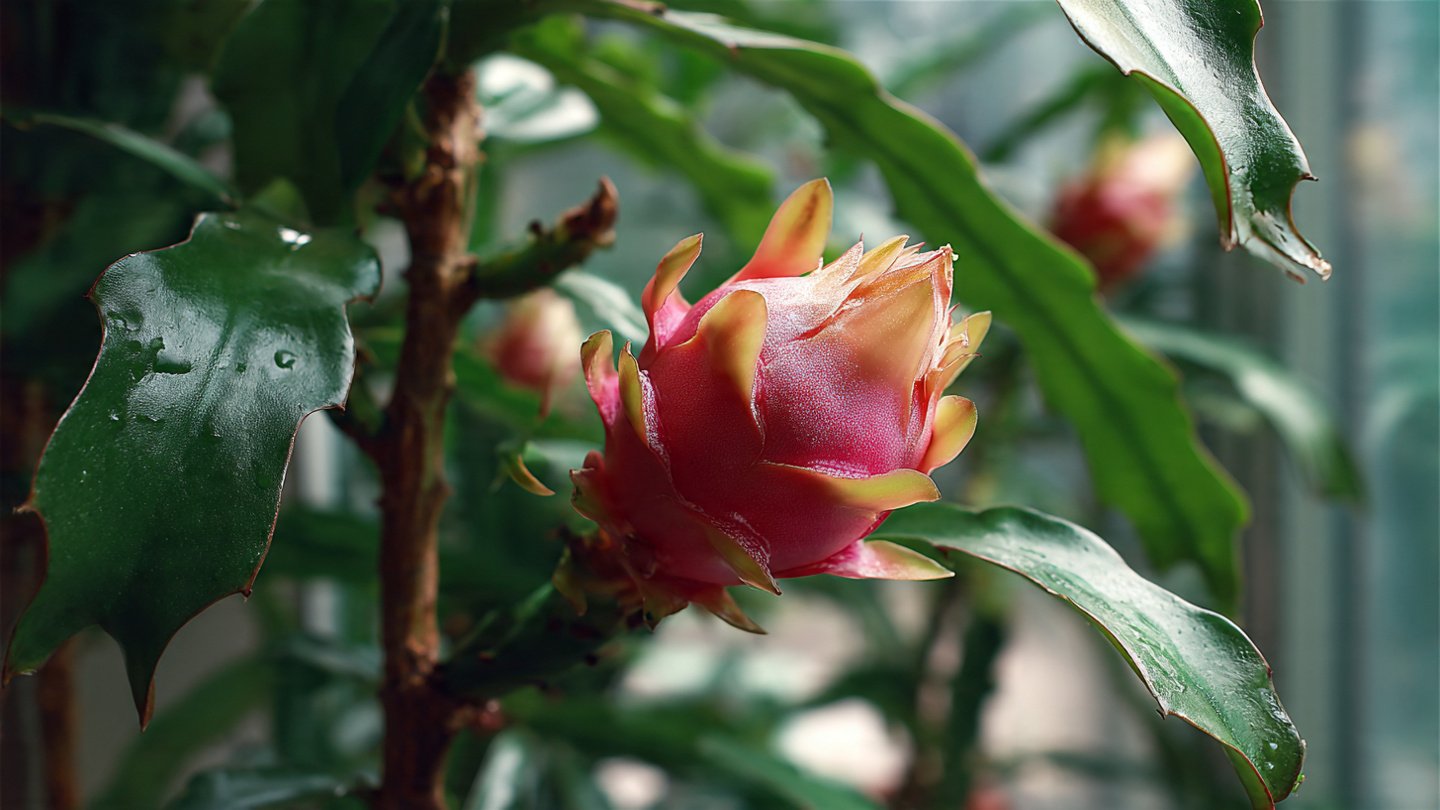
Dragon fruit, known for its striking appearance and exotic taste, has rapidly gained popularity among indoor gardeners. This fascinating fruit comes from several different species of cacti, primarily of the genus Hylocereus. Growing dragon fruit indoors can be a rewarding experience, offering both aesthetic appeal and the chance to yield delicious fruit. In this guide, we’ll explore the optimal conditions for growing dragon fruit indoors, including light, soil, watering, fertilization, pest control, and maintenance practices.
1. Choosing the Right Variety
Before you begin, it’s essential to choose the right variety of dragon fruit for indoor cultivation. The most common varieties include:
- Hylocereus undatus (White-fleshed): Characterized by its white flesh and mild sweetness.
- Hylocereus costaricensis (Red-fleshed): Known for its vibrant red skin and slightly sweeter flavor.
- Hylocereus megalanthus (Yellow-fleshed): This variety has a unique yellow skin and a sweet, delicate taste.
Choose a variety that suits your aesthetic preferences and flavor preferences. Most indoor growers opt for Hylocereus undatus due to its ease of care and prolific fruiting.
2. Ideal Growing Conditions
A. Light Requirements
Dragon fruit plants thrive in bright light. Here’s how to meet their light needs indoors:

- Natural Light: Place your dragon fruit plant near a south or west-facing window where it can receive at least 6-8 hours of sunlight daily. If natural light is insufficient, consider using grow lights.
- Supplemental Lighting: If you’re using grow lights, use full-spectrum LED lights for optimum growth. Position them about 12-24 inches above the plant and ensure they are on for about 12-16 hours a day, simulating natural light cycles.
B. Temperature and Humidity
Dragon fruit prefers warm temperatures and moderate humidity:
Latest Posts
- How to Use Invisible Wire for a Stunning Climbing Plant Wall
- Are Your Garden Tools Making Your Plants Sick?
- How to Style a Small Studio with Columnar Cacti
- Why Is My Zucchini Shaped Like a Lightbulb?
- How to Protect Your Fruit From Birds Without Nets
- How to Keep Squirrels Away from Your Fruit Trees
- How to Protect Your Fruit from Birds Without Nets
- Why Biochar Is a Game-Changer for Your Kitchen Garden
- Why Some Rare Cacti Bloom Only One Night a Year
- How to Grow Rare Blue Strawberries at Home
- Temperature: Ideal temperatures range between 70°F to 100°F (21°C to 38°C). Keep your indoor space warm, especially during the winter months when temperatures may drop.
- Humidity: While dragon fruit adapts to various humidity levels, maintaining a humidity level of about 50-70% is ideal. If your indoor environment is dry, consider using a humidifier or placing a tray of water near the plant.
3. Choosing the Right Pot and Soil
A. Pot Selection
Select a pot that is at least 12 inches deep and wide, as dragon fruit plants have extensive root systems. Ensure that the pot has drainage holes to prevent waterlogging.
- Material: Clay or terracotta pots are excellent choices as they allow for aeration. Plastic pots are lighter but might retain too much moisture.
B. Soil Requirements
Dragon fruit thrives in well-draining soil that is slightly acidic to neutral (pH 5.5 to 7). Here’s how to create the ideal potting mix:
- Ingredients: Combine equal parts of cactus mix, perlite, and compost. This combination ensures good drainage while providing essential nutrients.
- pH Testing: Test the pH of your soil mix using a pH meter to ensure it falls within the recommended range.
4. Watering Techniques
Watering is one of the most critical aspects of caring for indoor dragon fruit:

- Frequency: Allow the top inch of soil to dry out before watering again. In general, this equates to watering once every one to two weeks, depending on your climate and the size of the pot.
- Technique: Water thoroughly until you see excess water draining from the bottom of the pot. Ensure that the plant is not sitting in water, as this can lead to root rot.
5. Fertilization
Providing proper nutrients is essential for healthy growth and fruit production:
- Type of Fertilizer: Use a cactus fertilizer or a balanced fertilizer with low nitrogen content (such as a 10-10-10 or 5-10-10 formula). Avoid high-nitrogen fertilizers, as they can promote foliage growth at the expense of fruit production.
- Application Schedule: Fertilize every month during the growing season (spring and summer) and reduce or eliminate feeding during the fall and winter months.
6. Pruning and Support
A. Pruning
To encourage healthy growth and improve air circulation:
- Timing: Prune your dragon fruit plant in early spring before new growth begins. Remove any dead or yellowing branches and shape the plant to prevent overcrowding.
- Technique: Use sharp, clean scissors to cut back old growth, making sure to sterilize your tools to prevent disease spread.
B. Providing Support
Dragon fruit plants are climbing cacti and require a support structure as they grow:
- Trellis: Construct a trellis or use a stake to support the plant as it climbs. Secure the main stem to the support using soft ties to prevent damage.
7. Pollination
While many dragon fruit varieties are self-pollinating, they may benefit from cross-pollination. Here’s how to assist the process:

- Attracting Pollinators: If possible, keep your dragon fruit plants near flowering plants that attract bees. You can also hand-pollinate using a small brush or cotton swab to transfer pollen from flower to flower.
- Timing: Dragon fruit flowers bloom at night and last only until morning. Ensure you pollinate during this window for the best chances of fruit set.
8. Pest and Disease Management
A. Common Pests
Keep an eye out for pests that might affect your dragon fruit:
- Mealybugs and Scale: Treat infestations with neem oil or insecticidal soap.
- Spider Mites: Increase humidity as these pests thrive in dry conditions. If necessary, spray the plant with water.
B. Diseases
Be aware of potential diseases that can affect your plant:
- Root Rot: Caused by overwatering. Ensure proper drainage and adjust your watering schedule.
- Powdery Mildew: Can occur in humid conditions. Improve airflow around the plant and remove any affected leaves.
9. Harvesting Dragon Fruit
When your dragon fruit starts to mature, look for these signs:
- Color Change: The skin of the fruit will change color, depending on the variety (from green to vibrant red or yellow).
- Firmness: The fruit should feel slightly soft to the touch, similar to how a ripe avocado feels.
Once harvested, dragon fruit can be stored in the refrigerator for about a week or eaten immediately for the best flavor.
10. Troubleshooting Common Issues
A. Slow Growth
If your plant isn’t growing as expected:
- Check Light Levels: Ensure it’s getting enough light and consider adjusting its position or adding supplemental lighting.
- Nutrient Deficiency: Ensure you’re fertilizing regularly and using the right type of fertilizer.
B. Yellowing Leaves
Yellowing leaves can indicate several issues:
- Overwatering: Check the soil for moisture and adjust your watering schedule accordingly.
- Nutrient Deficiency: Inspect your fertilization routine and consider switching to a more balanced blend.
11. Summary and Final Thoughts
Caring for dragon fruit indoors can be an enriching project that yields not only beautiful plants but also delicious fruit. By providing the right light, temperature, soil, and care, you can enjoy the unique experience of cultivating this exotic fruit in the comfort of your home. Remember to be patient; growing dragon fruit takes time, but the reward is well worth the effort. Whether you’re looking for a stunning addition to your indoor garden or hoping for a sweet harvest, following this comprehensive guide will set you on the path to success.
Happy gardening!