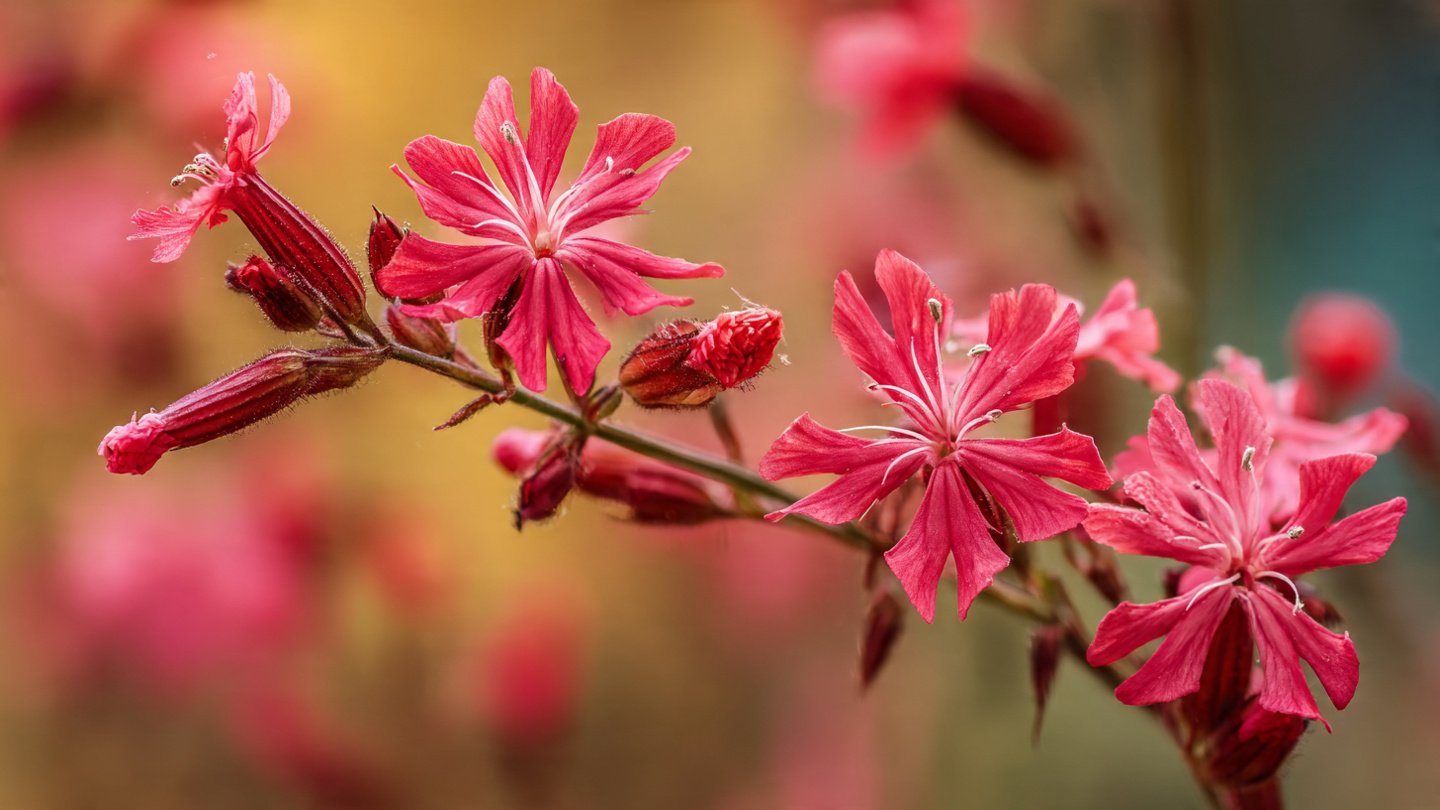
Catchfly flowers, known for their captivating beauty and delightful fragrance, have become a favorite among gardeners and floral enthusiasts alike. Belonging to the Silene genus, catchfly (particularly Silene armeria and Silene dioica) is renowned for its vibrant blooms and resilience. This guide will delve into the best methods for cultivating catchfly flowers, ensuring that your garden flourishes with their unique charm.
Understanding Catchfly Flowers
Catchfly flowers are notable for their distinct appearance and the way they attract pollinators. They often grow in clusters with cup-shaped blooms that typically range in color from white to bright pink. These flowers thrive in various conditions, making them a versatile choice for different garden settings.
Latest Posts
- How to Use Invisible Wire for a Stunning Climbing Plant Wall
- Are Your Garden Tools Making Your Plants Sick?
- How to Style a Small Studio with Columnar Cacti
- Why Is My Zucchini Shaped Like a Lightbulb?
- How to Protect Your Fruit From Birds Without Nets
- How to Keep Squirrels Away from Your Fruit Trees
- How to Protect Your Fruit from Birds Without Nets
- Why Biochar Is a Game-Changer for Your Kitchen Garden
- Why Some Rare Cacti Bloom Only One Night a Year
- How to Grow Rare Blue Strawberries at Home
Attributes
- Scientific Name: Silene armeria (also known as Sweet William Catchfly)
- Family: Caryophyllaceae
- Native Region: Europe and parts of Asia
- Bloom Time: Late spring to early summer
- Hardiness Zone: Hardy in Zones 3-9
Ideal Growing Conditions
To cultivate catchfly flowers successfully, understanding their preferred environment is crucial.

Light Requirements
Catchfly flowers thrive in full sun, requiring at least 6 hours of direct sunlight daily. However, they can tolerate partial shade, especially in hotter regions.
Soil Preferences
The ideal soil for catchfly should be well-drained, sandy, or loamy. While they can adapt to various soil types, overly compacted or clay-heavy soils can lead to root rot. A pH level between 6.0 and 7.0 is usually preferred.
Watering
Catchfly flowers are drought-tolerant once established. They require regular watering, especially during their initial growth phase. The soil should be kept moist but not soggy, ensuring good drainage to avoid overwatering.
Planting Catchfly Flowers
Choosing the Right Time
The best time to plant catchfly seeds or seedlings is in the spring after the last frost or in early autumn. This timing allows the plants to establish their roots before facing extreme weather conditions.
Seed Selection

Choosing quality seeds is essential for successful cultivation. Purchase seeds from a reputable supplier to ensure genetic diversity and better disease resistance.
Seed Sowing
-
Soil Preparation: Amend your garden bed with organic matter to enhance drainage and nutrient levels. Create furrows about 6 inches apart for planting seeds.
-
Sowing Seeds: Scatter seeds lightly over the prepared soil. A light covering of soil is helpful, but avoid burying them too deeply as they require light for germination.
-
Watering: Gently water the area using a fine spray to avoid washing the seeds away. Keep the soil consistently moist until germination, which usually occurs within 7-14 days.
Transplanting Seedlings
If you start seedlings indoors, transplant them outside once they reach about 4-6 inches in height and after the last frost. Space them about 12-18 inches apart to allow for good airflow and growth.
Care and Maintenance
Once your catchfly flowers are established, maintaining them is relatively easy.

Fertilization
Catchfly flowers generally do not require extensive fertilization. A balanced, slow-release fertilizer applied in early spring can promote healthy growth. Avoid excess nitrogen, as it can lead to lush foliage with fewer blooms.
Weed Control
Weeding is essential around catchfly plants. Weeds compete for nutrients and water, potentially stunting the growth of your flowers. Hand-pulling is often most effective; however, using a mulch layer can help suppress weeds while retaining soil moisture.
Pests and Diseases
Catchfly flowers are relatively pest-resistant but can occasionally attract aphids and slugs. Regular monitoring and using natural deterrents like neem oil or insecticidal soap can help manage any infestations.
Pruning
Deadheading spent flowers can encourage new blooms and prolong the flowering season. Trim back any wilted or damaged leaves to maintain the plant’s appearance and health.
Propagation Techniques
Catchfly flowers can be propagated in several ways:
Seed Propagation
The most common method is through seeds. Allow your catchfly flowers to go to seed at the end of the growing season, and collect the seeds for planting the following spring.
Division
If your catchfly plants become too dense, dividing them in early spring can rejuvenate them and allow for new growth in different areas of your garden.
Stem Cuttings
Another propagation method is taking stem cuttings in the summer. Ensure the cuttings have at least a couple of leaf nodes, place them in moist soil, and keep them in a shaded area until roots develop.
Design Ideas
Catchfly flowers can enhance various garden designs:
Cottage Gardens
Their wildflower aesthetic complements informal cottage gardens, blending beautifully with other perennial flowers, ornamental grasses, and herbs.
Rock Gardens
Catchfly’s low stature and drought tolerance make it an excellent choice for rock gardens, where it can thrive among stones and gravel.
Borders and Edging
Planting catchfly flowers as a border or edging along pathways adds a charming touch. Their vibrant blooms create a striking contrast against walkways and fences.
Conclusion
Cultivating catchfly flowers can be a rewarding endeavor for any gardener. With their resilient nature, striking appearance, and ability to attract pollinators, these flowers are a wonderful addition to any landscape. By following the methods outlined in this guide—selecting the right seeds, providing optimal growing conditions, and implementing effective care and maintenance techniques—you can ensure that your catchfly flowers flourish.
Whether you are planting them as standalone features or integrating them into a diverse garden design, catchfly flowers will provide enjoyment and beauty for seasons to come. Happy gardening!