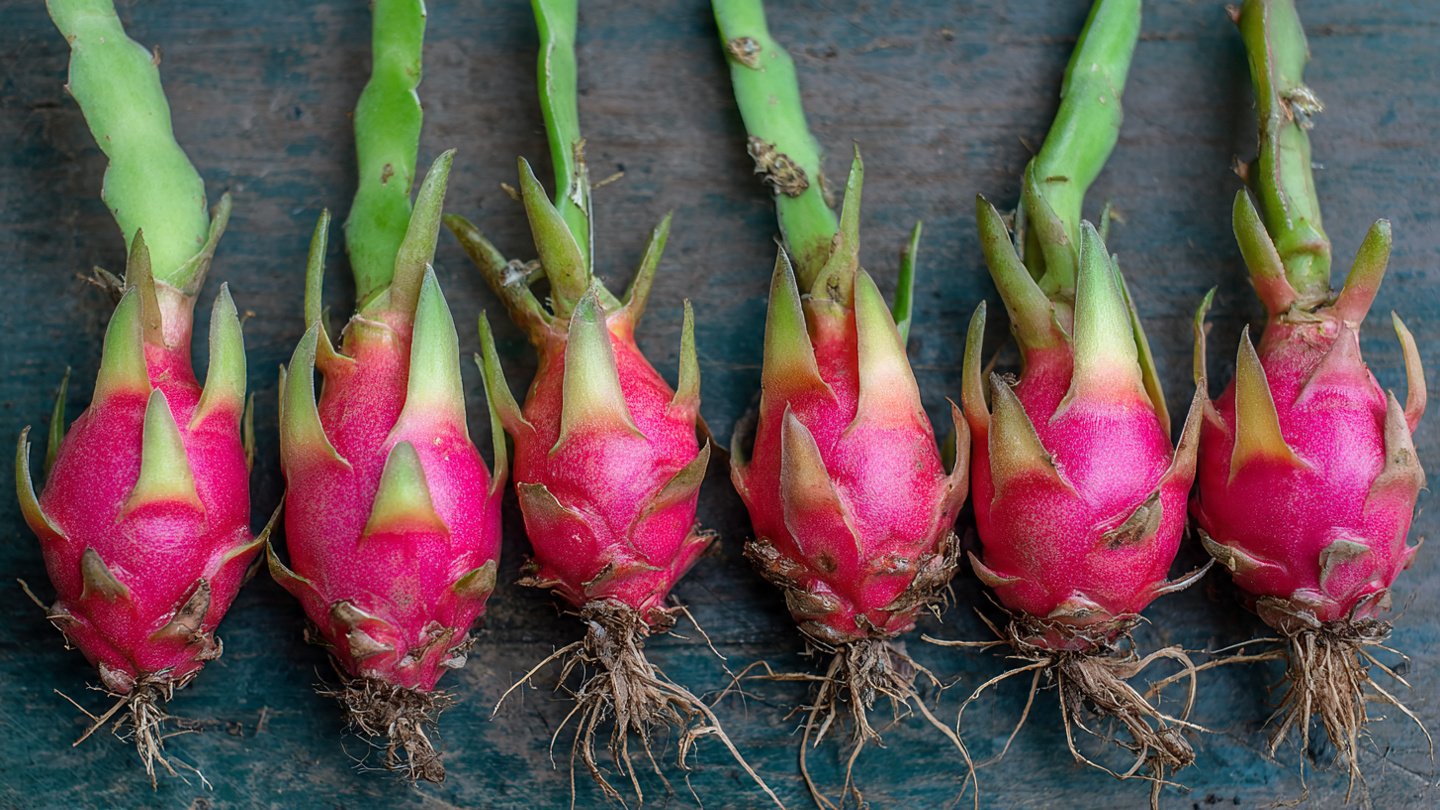
Dragon fruit, also known as pitaya, is a tropical fruit that is increasingly popular for its striking appearance and delightful taste. With its vibrant fuchsia or yellow skin and white or red flesh dotted with tiny black seeds, it’s not just a feast for the palate but also for the eyes. If you’re interested in growing your own dragon fruit and learning how to propagate it effectively, this guide will walk you through the step-by-step process of propagating dragon fruit from cuttings.
Understanding Dragon Fruit
Before you begin the propagation process, it’s essential to familiarize yourself with dragon fruit plants. They are cacti native to Central America but thrive in tropical and subtropical climates worldwide. Dragon fruit plants are climbing cacti that require support to grow efficiently. The fruit is not just delicious; it’s also rich in nutrients, fiber, and antioxidants.

Key Benefits of Growing Dragon Fruit
- Nutritional Value: Dragon fruit is high in vitamin C, fiber, and antioxidants.
- Attractive Landscaping: The plant adds a distinct visual element to any garden.
- Ease of Growth: They are relatively low-maintenance once established.
Why Propagate from Cuttings?
Propagation through cuttings is one of the simplest and most effective methods to grow dragon fruit. This approach allows you to create new plants that are clones of the parent plant, ensuring the same fruit quality and characteristics. It’s a faster method than growing from seeds, which can take longer and yield less predictable results.
Preparing for Propagation
Tools and Materials Needed
- Healthy Parent Plant: A mature dragon fruit cactus.
- Sharp Knife or Pruners: For cutting the plant.
- Rooting Hormone (Optional): This helps enhance root development.
- Potting Mix: A well-draining mix, ideally containing sand, perlite, and compost.
- Pots or Containers: For planting the cuttings.
- Water Spray: For maintaining humidity.
Choosing the Right Time
The ideal time to propagate dragon fruit is during the warmer months, typically in late spring or early summer when the plant is actively growing. This is crucial, as the cuttings will root better during this period.

Step-by-Step Guide to Propagating Dragon Fruit from Cuttings
Step 1: Select the Cutting
- Inspect the Parent Plant: Choose a healthy, mature stem with no signs of disease or pests.
- Cut the Stem: Use a sharp knife or pruners to take a cutting. Ideally, the cutting should be about 12 to 18 inches long. Ensure the cut is clean to prevent infection.
Step 2: Cure the Cutting
- Let It Dry: Place the cutting in a shaded area for a few days, allowing the cut end to callus. This is a critical step to prevent rot when the cutting is planted.
- Use Rooting Hormone (Optional): After a couple of days, you can dip the cut end in rooting hormone to encourage quicker root growth.
Step 3: Preparing the Potting Mix
- Choose the Right Soil: Create a well-draining potting mix using equal parts potting soil, perlite, and coarse sand. This ensures good drainage.
- Fill Containers: Place the prepared potting mix into the containers, leaving about an inch of space at the top.
Step 4: Plant the Cutting
- Insert the Cutting: Make a hole in the potting mix with your finger or a stick, ensuring it can accommodate the cut end without damage.
- Bury Deeply: Insert the cut end into the hole and bury it about 2-3 inches deep. Gently press the soil around the base to secure it.
Step 5: Watering and Humidity
- Water Sparingly: After planting, water the cutting lightly. Ensure the potting mix is moist but not soggy.
- Create Humidity: If possible, cover the container with a plastic bag or place it in a humid environment. This helps in retaining moisture, promoting rooting.
Step 6: Provide the Right Environment
- Location: Place the pots in a bright area with indirect sunlight. Direct sunlight can be too harsh for young cuttings.
- Temperature: Ideal temperatures for rooting are between 70°F to 85°F (21°C to 29°C).
Step 7: Monitoring Growth
- Check Moisture: Check the soil moisture regularly, ensuring it remains slightly damp.
- Wait for Roots: In about 2-4 weeks, check for root development by gently tugging on the cutting. If there’s resistance, it means roots are forming.
Step 8: Transplanting
- Ready for Transplanting: Once the cutting has established roots and is showing new growth, it can be transplanted to a larger pot or directly into the garden.
- Transplanting Process:
- Ensure the new planting location offers full sun and well-draining soil.
- Dig a hole large enough to accommodate the root system.
- Carefully remove the cutting from the pot and place it in the hole.
- Backfill with soil and water gently.
Caring for Your New Dragon Fruit Plant
Light Requirements
Dragon fruit plants thrive in full sun. Ideally, they should receive 6-8 hours of sunlight daily. If grown indoors, place them near a sunny window.
Latest Posts
- How to Use Invisible Wire for a Stunning Climbing Plant Wall
- Are Your Garden Tools Making Your Plants Sick?
- How to Style a Small Studio with Columnar Cacti
- Why Is My Zucchini Shaped Like a Lightbulb?
- How to Protect Your Fruit From Birds Without Nets
- How to Keep Squirrels Away from Your Fruit Trees
- How to Protect Your Fruit from Birds Without Nets
- Why Biochar Is a Game-Changer for Your Kitchen Garden
- Why Some Rare Cacti Bloom Only One Night a Year
- How to Grow Rare Blue Strawberries at Home
Watering
Water the plants every week or when the top inch of the soil feels dry. Ensure proper drainage to avoid waterlogging, which can lead to root rot.

Fertilizing
Feed your dragon fruit plants every month with a balanced fertilizer during the growing season (spring to early fall). Organic options like compost or worm castings work beautifully.
Support Structure
As dragon fruit cacti are climbing plants, consider providing a trellis or support system to encourage vertical growth. This will not only improve air circulation but also prevent the plant from becoming top-heavy and unstable.

Troubleshooting Common Issues
Pests
Watch out for common pests like mealybugs and aphids. If infested, treat the plants with gentle insecticidal soap or neem oil.
Diseases
Overwatering can lead to root rot, so always ensure proper drainage. Leaf spots or wilting may indicate disease—monitor closely and remove affected areas.

Conclusion
Propagating dragon fruit from cuttings is a rewarding process that allows you to enjoy this unique fruit in your garden. By following this step-by-step guide, you can cultivate your own dragon fruit plants and appreciate the benefits they offer. With a little patience and care, you’ll soon be enjoying fresh dragon fruit sourced straight from your garden. Growing your own dragon fruit not only enhances your culinary experience but also adds an exotic flair to your gardening endeavors. Happy planting!