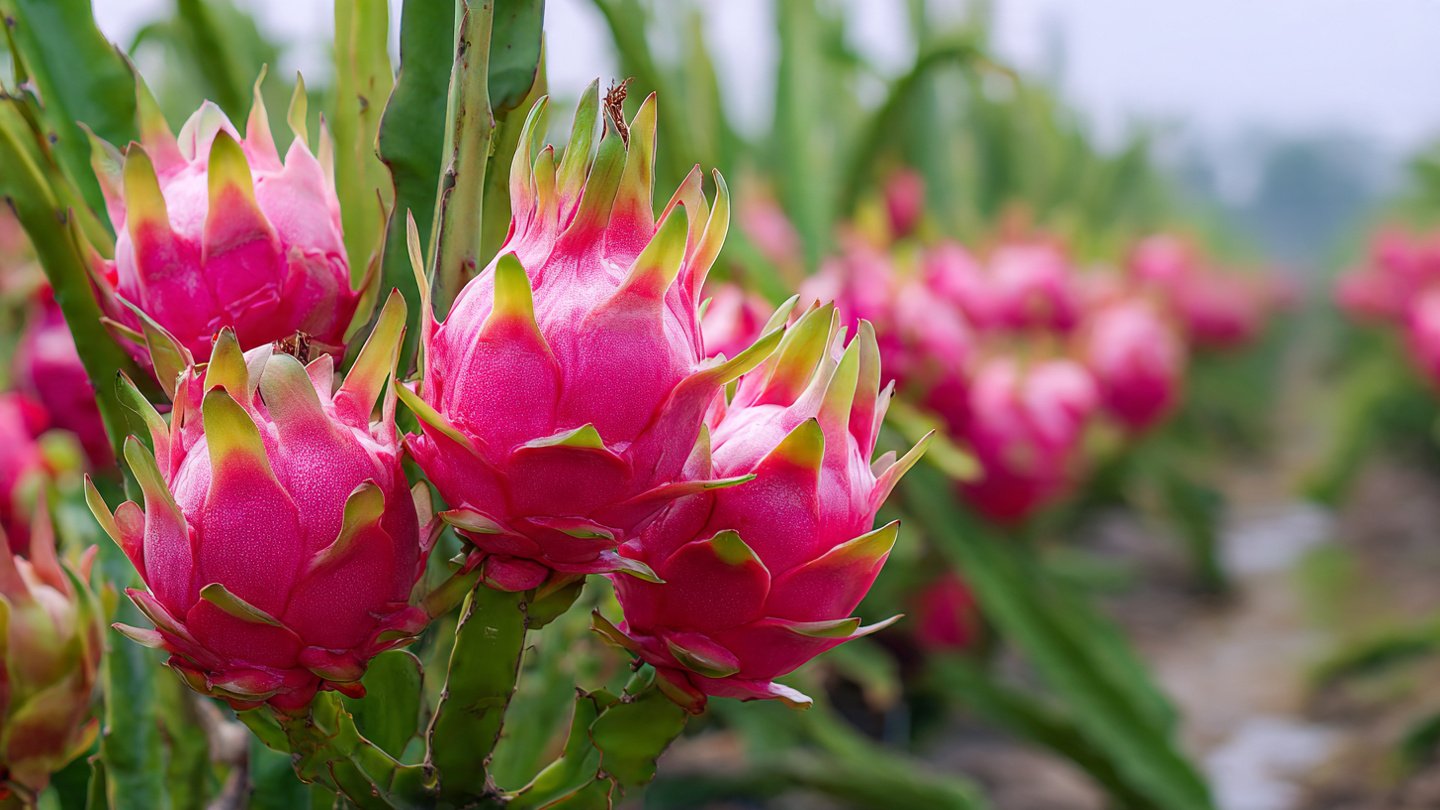
Dragon fruit, also known as pitaya, is a tropical fruit belonging to the cactus family. Its vibrant colors and unique flavor have made it a favorite among gardeners and fruit enthusiasts alike. Cultivating dragon fruit can be a rewarding endeavor, especially when you understand the specific needs of the plant, particularly in the flowering stage. In this guide, we’ll explore effective strategies for successfully cultivating dragon fruit, emphasizing essential tips for flowering that lead to lush growth.
Understanding Dragon Fruit
Before delving into the cultivation process, it’s essential to understand what dragon fruit is and what it requires to thrive. Dragon fruit comes from the genus Hylocereus and Selenicereus, and it features a striking appearance with bright pink or yellow skin and a green, leaf-like structure. The fruit is not only visually appealing but also packed with antioxidants, vitamins, and other nutrients.
Latest Posts
- How to Use Invisible Wire for a Stunning Climbing Plant Wall
- Are Your Garden Tools Making Your Plants Sick?
- How to Style a Small Studio with Columnar Cacti
- Why Is My Zucchini Shaped Like a Lightbulb?
- How to Protect Your Fruit From Birds Without Nets
- How to Keep Squirrels Away from Your Fruit Trees
- How to Protect Your Fruit from Birds Without Nets
- Why Biochar Is a Game-Changer for Your Kitchen Garden
- Why Some Rare Cacti Bloom Only One Night a Year
- How to Grow Rare Blue Strawberries at Home
Climate and Growing Conditions
Dragon fruit thrives in a warm, subtropical to tropical climate. It requires temperatures between 65°F and 100°F (18°C to 37°C) and does not tolerate frost well. Here are the key conditions to consider when cultivating dragon fruit:
-
Soil Type: Dragon fruit prefers sandy, well-draining soil with a pH between 6 and 7. Clayey or compact soil can lead to root rot.
-
Sunlight: Full sunlight is crucial; aim for at least six hours of direct sunlight daily. Insufficient sunlight can hinder flowering and fruiting.
-
Humidity: Moderate humidity levels around 60-80% are ideal for dragon fruit. Higher humidity can promote fungal diseases.

Choosing the Right Variety
Selecting the right variety is critical for successful cultivation. There are several types of dragon fruit, including:
- Hylocereus undatus: This variety has white flesh and a mild taste.
- Hylocereus costaricensis: Known for its red flesh and sweeter flavor.
- Hylocereus megalanthus: Features yellow skin and white flesh, with a distinct sweet taste.
Each variety has its unique characteristics and may require slight adjustments in care, so choose one that matches your taste preferences and growing conditions.
Preparing for Planting
Propagation Methods
Dragon fruit can be propagated through seeds, but the more common and practical method is through cuttings. Here’s how to propagate successfully:
-
Choosing Cuttings: Select healthy stems from a mature plant. Ideal cuttings are about 12 inches long and have several nodes.
-
Allowing to Callous: After cutting, allow the edges to dry and callous for several days. This helps prevent rot when planted.
-
Planting: Plant the cuttings in well-draining soil, preferably in a pot or directly in the ground, ensuring the nodes are buried 2-4 inches deep.

Site Selection
Choose a planting site that receives ample sunlight and has good ventilation. Consider using trellises to support the climbing nature of dragon fruit plants.
Watering and Fertilization
Watering Practices
Dragon fruit plants prefer a consistent watering schedule, especially during their growing season (spring to late summer). Here’s how to manage watering:
- Frequency: Water your dragon fruit once a week, allowing the soil to dry out between waterings. Overwatering can lead to root rot.
- Method: Water deeply to ensure moisture reaches the roots, particularly during dry spells.
Fertilization
Fertilizing is crucial for promoting lush growth and abundant flowering. Use a balanced fertilizer high in phosphorus, which encourages flowering. Here’s a simple fertilization schedule:

- Before Planting: Mix organic compost into the planting hole.
- Growing Season: Apply a balanced fertilizer every 4-6 weeks during the growing season.
Recognizing Flowering Requirements
Understanding Flower Formation
Dragon fruit plants produce large, fragrant, white flowers that bloom at night and last only for one night. Understanding the flowering cycle will help in providing the necessary conditions for successful blooming:
- Timing: Flowering typically occurs in late spring to early summer, with some varieties producing more than one crop per year.
- Pollination: Dragon fruit flowers are often pollinated by moths at night or through hand pollination for better fruit set.
Essential Flowering Tips
-
Optimizing Light: Ensure your plant receives adequate sunlight, especially leading up to the flowering phase.
-
Temperature Control: Maintain warm temperatures during the day and ensure nights remain above 50°F (10°C).
-
Pruning: Regularly prune the plant to remove dead or overly dense growth. This improves airflow and allows more light to reach the flowering parts.
Managing Pests and Diseases
Dragon fruit is relatively pest-resistant, but monitoring for issues is crucial. Common pests include ants, aphids, and mealybugs. Disease management often revolves around good hygiene and care. Here’s how to manage them:
Preventative Measures
- Rotating Crops: If growing multiple plants, consider rotating locations yearly to prevent soil-borne diseases.
- Sanitation: Clear away any fallen fruits or debris to deter pests and prevent disease.
Pest Management
- Natural Insecticides: Use neem oil or insecticidal soap to manage pests safely.
- Encourage Beneficial Insects: Promote the presence of ladybugs and lacewings, which help control aphid populations.
Harvesting Dragon Fruit
When to Harvest
Dragon fruit typically matures about 30 to 50 days after flowering. Here’s how to know when to harvest:
- Color Change: The skin will change to a vibrant color specific to the variety (pink, yellow, etc.).
- Firmness: Gently squeeze; it should be firm but yield slightly under pressure.
Harvesting Technique
Use sharp, sanitized shears to cut the fruit from the plant, leaving some of the stem attached. Avoid pulling the fruit, as it could damage the plant.
Conclusion
Cultivating dragon fruit can be a rewarding and enriching experience. By understanding the plant’s specific needs, from site selection and propagation to fertilization and pest management, you can ensure lush growth and abundant flowering. As you enjoy the process of growing dragon fruit, remember that patience and careful attention are your best allies in producing this stunning and delicious fruit. With the right techniques and nurturing, your dragon fruit plants will thrive, ultimately rewarding you with their unique bounty!