Introduction
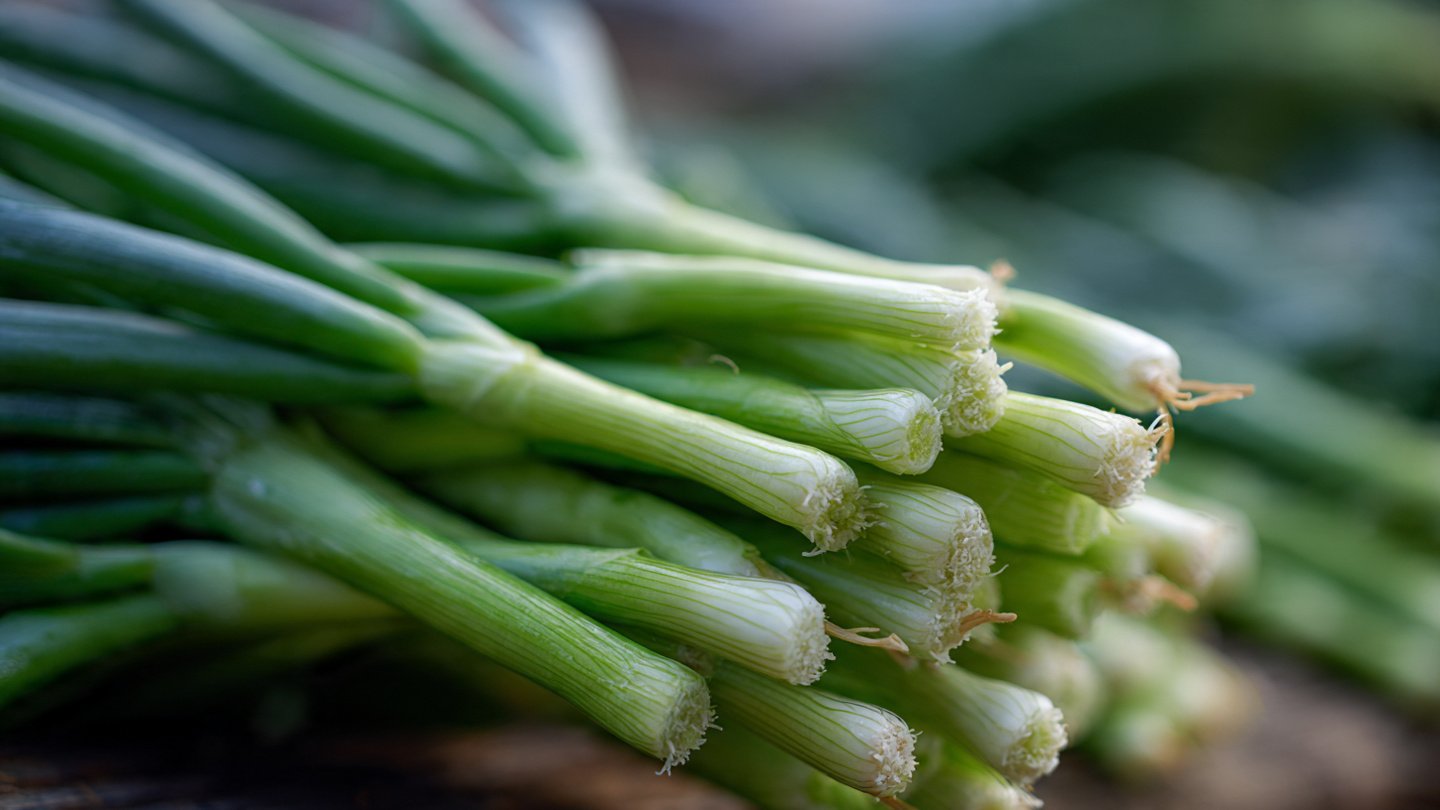
Spring onions, also known as scallions or green onions, are a versatile and flavorful addition to many dishes. Their mild onion flavor enhances salads, stir-fries, soups, and garnishes, making them a staple in kitchens around the world. One of the most appealing aspects of spring onions is their ability to be grown using a method known as “cut and come again.” This technique allows gardeners to harvest the onions continually, thereby enjoying a fresh supply without having to replant each time. In this article, we’ll explore how to grow spring onions, the benefits of the cut-and-come-again method, and tips for successful cultivation.
Understanding Spring Onions
Latest Posts
- How to Use Invisible Wire for a Stunning Climbing Plant Wall
- Are Your Garden Tools Making Your Plants Sick?
- How to Style a Small Studio with Columnar Cacti
- Why Is My Zucchini Shaped Like a Lightbulb?
- How to Protect Your Fruit From Birds Without Nets
- How to Keep Squirrels Away from Your Fruit Trees
- How to Protect Your Fruit from Birds Without Nets
- Why Biochar Is a Game-Changer for Your Kitchen Garden
- Why Some Rare Cacti Bloom Only One Night a Year
- How to Grow Rare Blue Strawberries at Home
What Are Spring Onions?
Spring onions are young onions harvested before the bulb matures. They have a long green stalk and a small, immature bulb. They are distinct from traditional onions due to their tender nature and mild taste. Unlike their bulbous counterparts, spring onions can be eaten raw or cooked and are often used for garnishing.
Nutritional Benefits
Spring onions are not only flavorful but also packed with nutrients. They are rich in vitamins A, C, and K, as well as several important minerals. They contain antioxidants, which help fight inflammation and reduce the risk of chronic diseases. Integrating spring onions into your diet can provide health benefits while enhancing the taste of your meals.
The Cut-and-Come-Again Method
What Does Cut-and-Come-Again Mean?
The cut-and-come-again method refers to harvesting plants in a way that allows them to continue growing and producing. Instead of uprooting the entire plant, you harvest only a portion, which encourages new growth. This technique is particularly effective with leafy greens and herbs, including spring onions.

Why Use the Cut-and-Come-Again Method?
-
Continuous Harvest: One of the primary benefits is that you can enjoy fresh produce over an extended period without replanting.
-
Reduced Labor: You can minimize time spent on planting and soil preparation. Once spring onions are established, all you need to do is specifically prune them.
-
Saves Space: For those with limited gardening space, this method maximizes yield from a small area.
-
Freshness: You can harvest just what you need, ensuring that you always have fresh spring onions when you need them.
Growing Spring Onions
Choosing the Right Variety
There are several varieties of spring onions, including:
- Bunching Onions: Never form a large bulb, ideal for cut-and-come-again methods.
- Green Onions: Slightly thicker stalks with a mild flavor.
- Welsh Onions: Perennial varieties that can grow year after year.
Choose a variety that suits your taste buds and intended use in the kitchen.
Planting Spring Onions
-
Soil Preparation: Spring onions thrive in well-draining soil enriched with organic matter. Incorporate compost or well-rotted manure to enhance soil fertility.
-
Location: Choose a spot with full sun exposure—preferably 6 to 8 hours a day. Spring onions can be grown in garden beds, containers, or even on a windowsill.
-
Planting Seeds or Sets: Spring onions can be grown from seeds or sets (young bulbs). If planting seeds, sow them about ¼ inch deep, spaced 1 inch apart. If using sets, plant them with the pointed end facing upward, spaced a few inches apart.
-
Watering: Ensure consistent moisture in the soil but avoid waterlogging. Water when the top inch of soil feels dry.

Caring for Spring Onions
-
Thinning: Once seedlings are 2 inches tall, thin them to prevent overcrowding. Leave about 4 inches between plants to allow for proper growth.
-
Fertilizing: Use a balanced fertilizer every few weeks to provide essential nutrients.
-
Weed Control: Keep the area around the spring onions free of weeds, as they can compete for nutrients and water.
-
Pest Management: Watch for pests like aphids or maggots. Use organic treatments like neem oil or insecticidal soap when needed.
Harvesting Spring Onions
When to Harvest
You can begin harvesting spring onions when they are about 6-8 inches tall. The cut-and-come-again method allows you to remove the outer leaves or cut the tops, leaving about an inch above the soil line. This encourages new growth, and you can continue harvesting over several weeks.
How to Harvest
-
Use a sharp knife or scissors to cut the green tops, avoiding damage to the bulbs.
-
If using sets, you may also harvest the bulb, but cutting only the greens will allow for regrowth.
-
Always leave some foliage above the soil; this aids in overall plant health and ensures a steady supply of new shoots.
Continuous Harvesting Tips
Timing
To ensure a continuous harvest, stagger your planting every few weeks. This will create a cycle where some onions are ready to be harvested while others are still growing.
Storing Harvested Spring Onions
Once harvested, spring onions can be stored in the refrigerator for up to a week. Keep them in a plastic bag with some ventilation to prevent them from wilting. Alternatively, you can regrow them by placing the white bulbs in a glass of water and setting them on a windowsill.
Troubleshooting Common Issues
Yellowing Leaves
If the leaves of your spring onions are turning yellow, it may indicate overwatering or nutrient deficiency. Check soil moisture and consider a balanced fertilizer.
Pest Infestation
Regularly inspect your plants for pests. If you notice any, act quickly to mitigate damage using organic pest control methods.
Diseases
Spring onions are susceptible to diseases like root rot and downy mildew. Ensure proper spacing, good air circulation, and avoid overhead watering.
Conclusion
Spring onions are a rewarding and easy-to-grow crop suited for the cut-and-come-again method. By following the appropriate growing and care techniques, you can enjoy continuous fresh spring onions throughout the growing season. This method not only saves time and space but also ensures you have a fresh supply of these flavorful plants for your culinary creations. Whether you are a novice gardener or an experienced one, incorporating spring onions into your garden will enhance both your gardening experience and your meals. So grab your seeds or sets, prepare your soil, and embark on the journey of continuous harvest with spring onions!