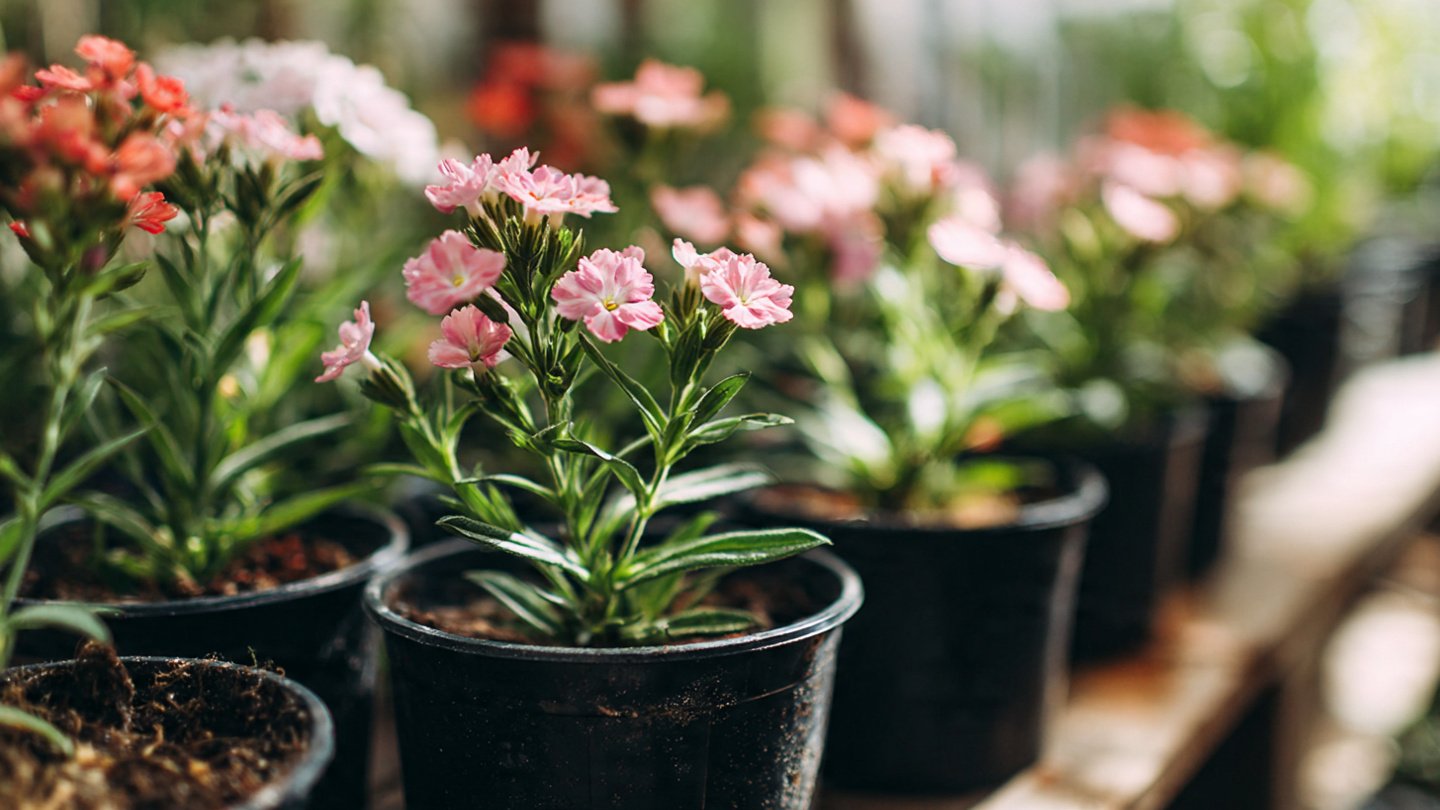
Silene, commonly known as campion or catchfly, is a captivating genus of flowering plants that can add vibrancy and texture to any garden. With over 300 species to choose from, Silene is versatile, offering everything from low-growing ground covers to tall, dramatic blooms. Growing Silene in pots is a wonderful way to bring this beauty to your home or patio, and with a few easy hacks, you can effortlessly cultivate these lovely plants. In this article, we’ll explore the best practices for potting Silene, its care requirements, and the easy hacks that will ensure your pots flourish with life.
Understanding Silene: The Plant Profile
Before diving into the practical aspects of growing Silene, it’s essential to understand what makes this plant unique:
Latest Posts
- How to Use Invisible Wire for a Stunning Climbing Plant Wall
- Are Your Garden Tools Making Your Plants Sick?
- How to Style a Small Studio with Columnar Cacti
- Why Is My Zucchini Shaped Like a Lightbulb?
- How to Protect Your Fruit From Birds Without Nets
- How to Keep Squirrels Away from Your Fruit Trees
- How to Protect Your Fruit from Birds Without Nets
- Why Biochar Is a Game-Changer for Your Kitchen Garden
- Why Some Rare Cacti Bloom Only One Night a Year
- How to Grow Rare Blue Strawberries at Home
Species Overview
Silene species vary widely in appearance, but they are generally known for their vibrant colors and unique flower shapes. Some popular types include:
- Silene dioica (Red Campion) – Known for its pink flowers and heart-shaped leaves.
- Silene vulgaris (Bladder Campion) – Characterized by its swollen seed pods and delicate white flowers.
- Silene uniflora (Sea Campion) – Often found in coastal areas, features white flowers and a hardy disposition.
Growth Habit
Silene can be classified broadly as annuals, biennials, or perennials. Their growth habits influence how you should pot them and care for them. Most species prefer well-drained soil, moderate moisture, and plenty of sunlight.
Hardiness Zones
Silene generally thrives in USDA hardiness zones 3 through 9 depending on the species. Before starting your journey with Silene, it’s crucial to know which species suits your local climate.

Choosing the Right Pot
Size Matters
When selecting pots for your Silene plants, consider their eventual size. A pot that is 6 to 12 inches in diameter typically suffices for most species. However, if you select a larger species or are potting multiple plants together, opt for bigger containers with adequate drainage holes.
Material Considerations
Pots come in various materials including clay, ceramic, and plastic. Clay pots are excellent for breathability, while plastic pots are lightweight and retain moisture. Choose according to your environment and aesthetic preference.
Drainage
Proper drainage is paramount for Silene. Always ensure that your pot has drainage holes to allow excess water to escape. This will prevent root rot and promote healthy growth.
Soil Selection
The Ideal Medium
Silene prefers a light, well-draining soil mix. A blend of potting soil, perlite, and sand (50:30:20 ratio) works wonders. This mix promotes aeration and drainage while still retaining sufficient moisture.
Nutrient Levels
Incorporating slow-release fertilizers into your soil mix can provide essential nutrients throughout the growing season. Avoid over-fertilizing, as this can lead to excessive foliage growth at the expense of flowers.
Sowing Seeds or Transplanting
Starting from Seed
- Timing: The best time to sow Silene seeds is during spring after the last frost or indoors 6-8 weeks prior.
- Sowing Technique: Lightly press the seeds into the soil without covering them completely, as they require light to germinate.
- Moisture: Keep the soil moist but not soggy. A mist bottle can help achieve this.
Transplanting Seedlings
- Hardening Off: If you started your seeds indoors, acclimatize them to outdoor conditions by gradually exposing them to sunlight and wind.
- Planting Out: Once the seedlings have several sets of true leaves, transplant them to their pots, ensuring they are positioned at the same depth as they were in their previous containers.
The Easy Hack for Effortless Growth
While the fundamental aspects of growing Silene involve proper potting, soil, and watering, there’s a simple hack you can employ to ensure effortless growth: The Self-Watering System.
Setting up a Self-Watering System
-
Materials Needed:
- A pot with a reservoir (many commercial self-watering pots are available).
- A cotton or nylon wick (if making your own system).
- Potting soil and Silene seeds or seedlings.
-
Assembly:
- Fill the bottom reservoir with water.
- Insert the wick into the reservoir, letting it extend into the soil where you’ll plant your Silene.
- Fill the pot with the prepared potting soil and plant your Silene as usual.
-
How It Works:
- The wick draws water from the reservoir into the soil, ensuring consistent moisture levels. This method alleviates the frequent watering dilemma and prevents over or under-watering.

Benefits of Self-Watering
- Consistent Moisture: Silene prefers moist, well-draining conditions, and this system guarantees just that.
- Reduced Maintenance: You can go on extended trips without worrying about your plants.
- Prevention of Root Rot: Ensures that roots won’t sit in water, reducing the risk of fungal infections.
Watering Regimen
Frequency
Silene generally requires moderate watering. Allow the top inch of soil to dry out between watering sessions. During hot weather, you may need to water more frequently, but always check for moisture first.
Signs of Overwatering
Watch out for drooping leaves or yellowing, as these may indicate overwatering. Adjust your watering schedule accordingly.
Light Conditions
Sunlight Requirements
Most Silene species thrive in full sun to partial shade. Aim for at least 6 hours of sunlight per day. If you live in a particularly hot climate, consider providing some afternoon shade.
Rotating Your Pots
If you’re growing Silene indoors or on a patio, rotate your pots regularly. This ensures that all sides of the plant receive equal sunlight, promoting even growth.
Fertilizing
Timing and Type
Fertilize Silene during the growing season (spring and summer) with a balanced fertilizer diluted to half-strength every 4-6 weeks. This will encourage vibrant blooms without risking foliage overgrowth.
Pest and Disease Control
Common Pests
Silene can attract pests like aphids, spider mites, and whiteflies. Keep an eye on your plants for signs of infestation.
Preventative Measures

- Neem Oil: A natural pesticide that can deter pests when sprayed lightly on foliage.
- Insecticidal Soap: Effective against soft-bodied insects.
Diseases to Watch
Silene is generally hardy, but issues like root rot or powdery mildew can occur. Ensure that your pots have adequate drainage and that you avoid overcrowding to minimize disease risk.
Seasonal Considerations
Fall Care
As temperatures drop, consider bringing your pots indoors if you are in a colder climate. Silene is generally hardy, but certain species may need protection from frost.
Spring Awakening
In spring, check for any dead foliage and trim it away to encourage new growth. Refresh your soil and check your watering system for optimal performance.
Conclusion
Growing Silene in pots can be a rewarding experience, allowing you to enjoy these stunning flowers wherever you desire. With the easy hack of using a self-watering system, combined with proper potting, soil, watering, and sunlight care, you will create an environment where Silene can thrive. Whether you are an experienced gardener or a novice, these tips will help you effortlessly grow beautiful Silene plants that will bring joy and color to your home and garden. Happy planting!