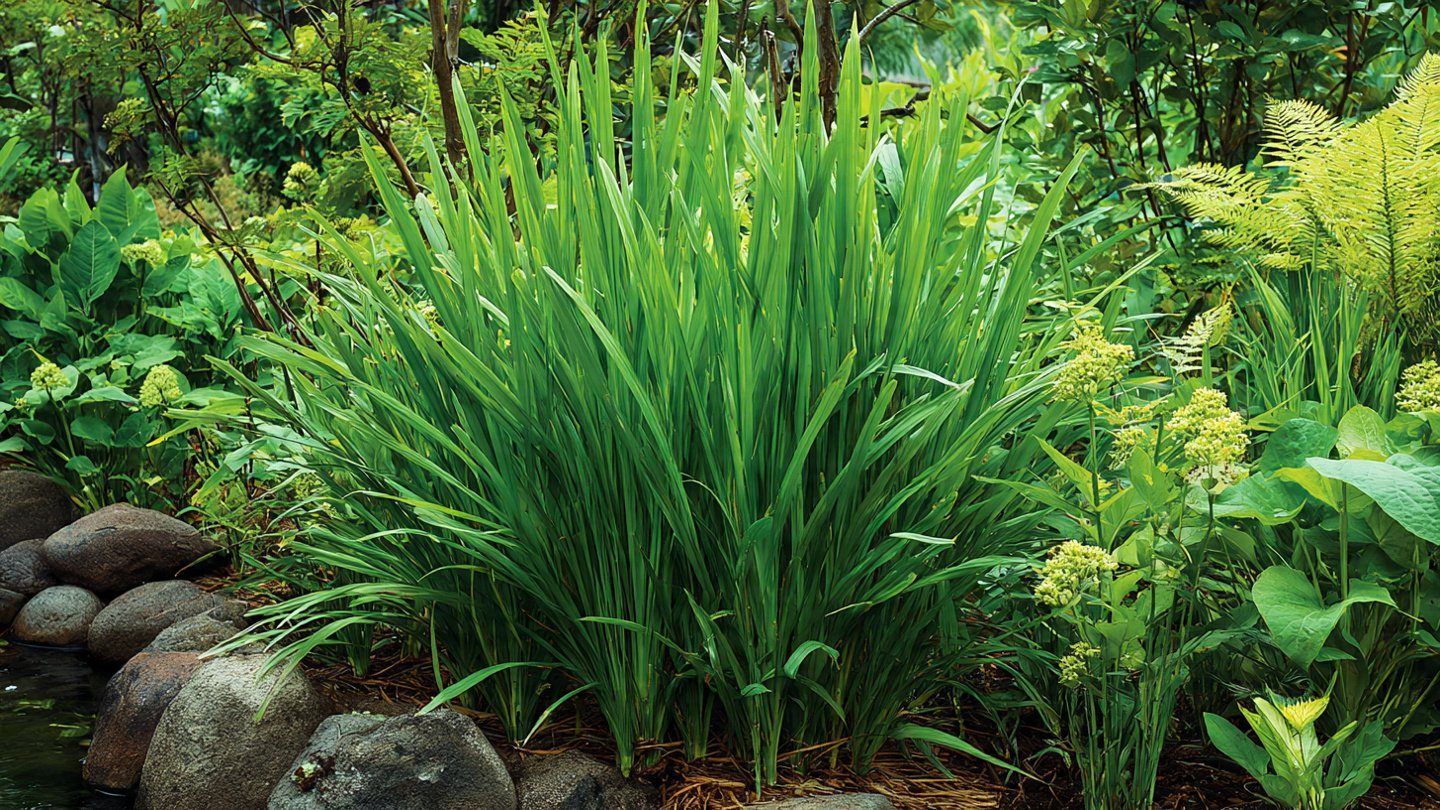
Lemongrass (Cymbopogon citratus) is a tropical plant celebrated not just for its culinary uses, but also for its aromatic properties and health benefits. Known for its tall, green stalks and distinctive citrus flavor, lemongrass has found its way into various culinary traditions, especially in Southeast Asian cuisine. However, to cultivate lemongrass successfully and achieve thick stalks, certain strategies and practices need to be followed. This article delves into growing lemongrass with thick stalks for a flourishing garden, exploring the types of lemongrass, optimal growing conditions, care practices, and potential challenges.
Understanding Lemongrass
Before jumping into the growing process, it’s crucial to understand the characteristics of lemongrass. It thrives in warm and humid climates, making it ideal for USDA Zones 9-11. However, with proper care, it can also be grown in containers and brought indoors during colder months.
Latest Posts
- How to Use Invisible Wire for a Stunning Climbing Plant Wall
- Are Your Garden Tools Making Your Plants Sick?
- How to Style a Small Studio with Columnar Cacti
- Why Is My Zucchini Shaped Like a Lightbulb?
- How to Protect Your Fruit From Birds Without Nets
- How to Keep Squirrels Away from Your Fruit Trees
- How to Protect Your Fruit from Birds Without Nets
- Why Biochar Is a Game-Changer for Your Kitchen Garden
- Why Some Rare Cacti Bloom Only One Night a Year
- How to Grow Rare Blue Strawberries at Home
Lemongrass can be classified primarily into two types: West Indian Lemongrass and East Indian Lemongrass. The West Indian variety (Cymbopogon citratus) is the most commonly cultivated for culinary purposes. It typically has thicker, more flavorful stalks, contributing significantly to its popularity.
Growing Conditions for Thick Stalks
-
Climate and Temperature:
Lemongrass requires a warm climate to thrive. Ideally, it needs temperatures ranging from 70°F to 85°F (21°C to 29°C). It may survive in cooler temperatures but will not grow optimally. Ensure that the plant gets at least 6-8 hours of sunlight daily. -
Soil Requirements:
Well-draining, loamy soil enriched with organic matter is ideal for lemongrass. The soil pH should be between 6.0 and 7.0. To improve soil fertility, incorporate compost or aged manure before planting. Aim for soil that retains moisture without being waterlogged. -
Spacing and Planting:
When planting lemongrass, space the plants about 24 inches apart to allow for their growth and expansion. You can start from seed, but it’s often more effective to use stalks purchased from a nursery or grocery store. To propagate, place a few stalks in a glass of water until roots emerge, then transfer them to the soil.

Optimizing Growth for Thick Stalks
To encourage thick, healthy stalks, following best practices in care is essential:
-
Watering:
Consistent moisture is vital. Lemongrass enjoys humid conditions, so water regularly, especially in dry spells, but avoid overwatering. A deep watering once or twice a week is generally sufficient as lemongrass is drought-resistant but thrives with regular moisture. -
Fertilization:
Applying a balanced, slow-release fertilizer every 6-8 weeks can promote robust growth. Look for fertilizers that are higher in nitrogen, as this nutrient is essential for leafy growth. Organic options like fish emulsion or a compost tea can also yield good results. -
Mulching:
Applying a layer of mulch around the base of the lemongrass plants can help retain moisture, suppress weeds, and regulate soil temperature. Organic mulches, like straw or wood chips, can also contribute nutrients as they decompose. -
Pruning:
Regular pruning encourages thick, bushy growth. Trim back the older outer leaves to promote new growth from the center. This not only helps in developing thick stalks but also improves air circulation around the plant. -
Pest and Disease Management:
While lemongrass is generally pest-resistant, keep an eye out for common pests like aphids and spider mites. Organic insecticidal soaps can effectively control these pests. Diseases such as root rot can occur if the soil is waterlogged, so ensure proper drainage.


Harvesting Lemongrass
Timing is crucial when harvesting lemongrass. Begin harvesting the stalks once they reach at least 12 inches in height, though plants can grow much taller if conditions are suitable. The best time to harvest is in the morning when the essential oils are most concentrated. Use a sharp knife to cut the stalks about 1 inch above the ground to encourage new growth.
Indoor Cultivation
If you live in a cooler climate or want to enjoy fresh lemongrass year-round, consider growing it indoors. Use a large pot with drainage holes and fill it with potting soil mixed with compost. Place the pot in a sunny window or under grow lights. Regular watering and fertilizing are equally important indoors, and ensure the plant receives plenty of light.
Common Challenges when Growing Lemongrass
-
Cold Weather:
Lemongrass does not tolerate frost. If you live in an area with cold winters, consider growing it in pots so you can bring them indoors when temperatures drop. -
Overwatering:
One of the most common issues is overwatering, which can lead to root rot. Ensure pots have adequate drainage, and only water when the top layer of soil feels dry. -
Pest Infestations:
Watch for pests like mealybugs and scale insects. Regularly checking the plants and using organic pest control methods can mitigate infestations.
Health Benefits of Lemongrass
In addition to its culinary uses, lemongrass has various health benefits. It contains compounds that may help with digestion, reduce inflammation, and promote overall wellness. The essential oil extracted from lemongrass is often used in aromatherapy and can provide stress relief.
Culinary Uses
Lemongrass is popular in many cuisines, notably Thai, Vietnamese, and Indian dishes. It adds a unique flavor to soups, curries, and teas. When using it in cooking, you can include the stalks, or make a tea by steeping chopped lemongrass in hot water for a refreshing beverage.

Conclusion
Growing lemongrass is relatively straightforward, provided you maintain the right conditions and care practices to encourage thick stalks. By ensuring that your plants receive suitable sunlight, moisture, and nutrients, you will not only enjoy the culinary benefits of lemongrass but also reap the rewards of a flourishing garden.
Final Thoughts
A flourishing garden filled with thick-stemmed lemongrass can contribute to both your culinary repertoire and your health. With diligence in cultivation and care, your lemongrass plants will thrive, eagerly producing flavorful stalks ready for harvest. Embrace the process and enjoy the journey of gardening—you may find that the rewards go beyond just lemongrass!