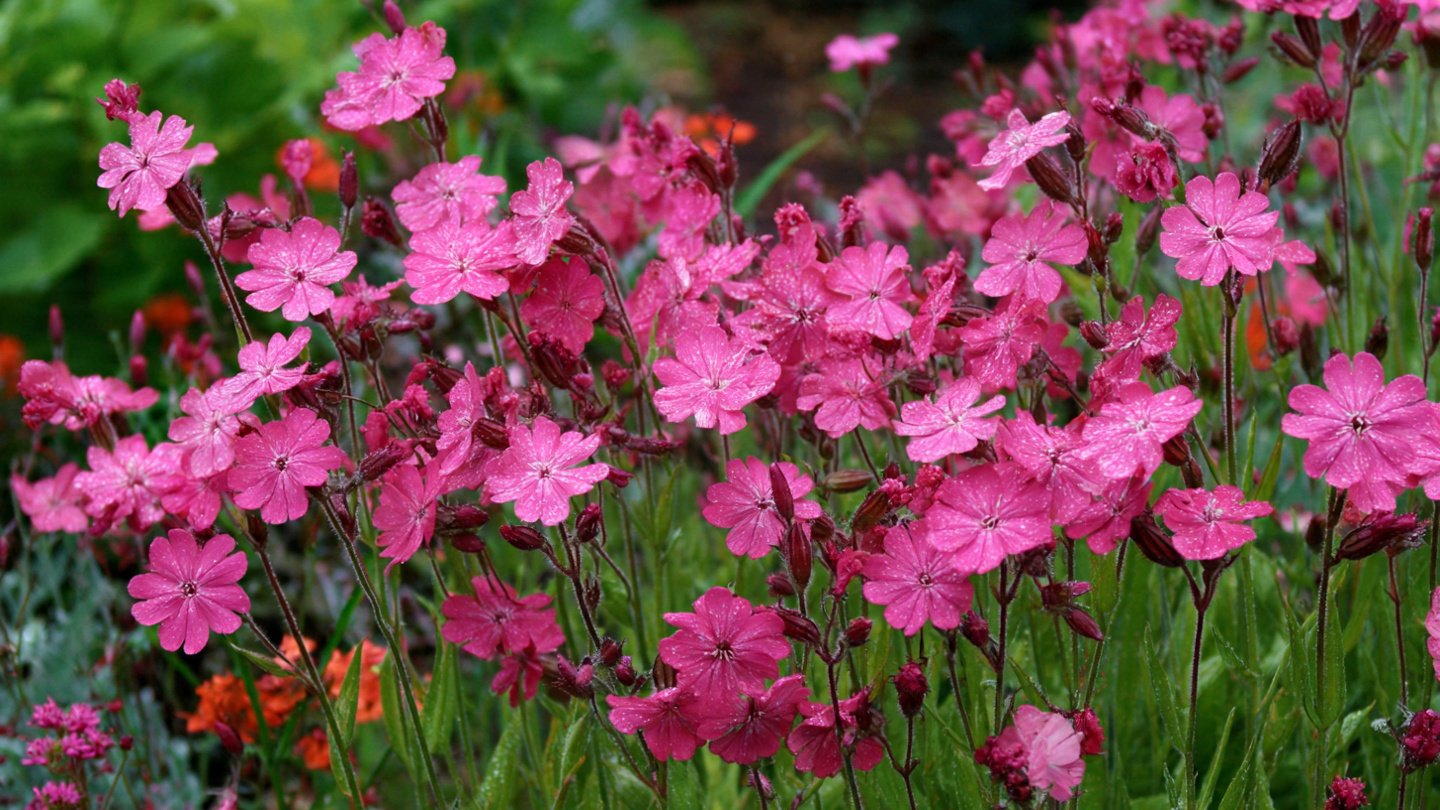
Silene, commonly known as campion, is a genus comprising hundreds of species, many of which produce beautiful and vibrant pink blooms. These hardy perennial plants are not only visually appealing but also relatively easy to cultivate, making them an excellent choice for both novice and experienced gardeners. In this article, we’ll delve into the essentials of growing Silene pink blooms, ensuring you create a stunning array of colors in your garden.
Understanding Silene
Silene plants thrive across various regions, displaying diverse growth habits and flower forms. The most popular species for vivid pink blooms include Silene dioica, Silene chalcedonica, and Silene vulgaris. Each of these species offers its unique beauty and characteristics, but collectively, they share certain growing requirements.
Latest Posts
- How to Use Invisible Wire for a Stunning Climbing Plant Wall
- Are Your Garden Tools Making Your Plants Sick?
- How to Style a Small Studio with Columnar Cacti
- Why Is My Zucchini Shaped Like a Lightbulb?
- How to Protect Your Fruit From Birds Without Nets
- How to Keep Squirrels Away from Your Fruit Trees
- How to Protect Your Fruit from Birds Without Nets
- Why Biochar Is a Game-Changer for Your Kitchen Garden
- Why Some Rare Cacti Bloom Only One Night a Year
- How to Grow Rare Blue Strawberries at Home
Types of Silene
-
Silene dioica (Red Campion):
- Resilient perennial that typically grows 1-2 feet tall.
- Produces clusters of pink to red flowers, blooming from late spring to summer.
- Prefers moist, woodland-like conditions.
-
Silene chalcedonica (Maltese Cross):
- Grows 2-3 feet tall with bright red to pink star-shaped flowers.
- Bounces back well in various soil types as long as it’s well-drained.
- Blooms in summer, attracting beneficial pollinators.
-
Silene vulgaris (Bladder Campion):
- Features delicate pale green to white flowers with a hint of pink.
- Commonly found in meadows and wildflower gardens.
- Attracts butterflies and other pollinators.

Choosing the Right Location
To ensure healthy growth and vibrant blooms, selecting the right location in your garden is crucial. Silene prefers full sun to partial shade and well-drained soil.
Sunlight Requirements
- Full Sun: For robust growth, Silene plant should receive at least 6 hours of direct sunlight daily.
- Partial Shade: In hotter climates, these plants can benefit from some afternoon shade to prevent wilting and promote longevity.
Soil Preparation
-
Soil Type: Silene thrives in well-drained soil enriched with organic matter. Sandy loam or loamy soils are ideal. Heavy clay or overly compacted soil can lead to root rot.
-
Soil pH: Aim for a soil pH between 6.0 and 7.0. You can test your soil using pH testing kits available in garden centers.
-
Enhancing Soil:
- Before planting, amend soil with compost or well-rotted manure to improve fertility.
- Ensure good drainage by incorporating perlite or sand if needed.
Propagation Methods
You can propagate Silene plants through seeds, cuttings, or division, depending on the desired speed and variety.

1. Seed Propagation
- Timing: Start seeds indoors 6-8 weeks before the last frost or sow them directly in the garden after the danger of frost.
- Planting: Scatter seeds on the surface of the soil and lightly press them down. They require light to germinate.
- Watering: Keep the soil moist but not soggy during germination (2-4 weeks).
2. Cutting Propagation
For a quicker approach, you can take cuttings from mature plants:
- Cutting Source: Choose healthy stems during the warmer months.
- Process: Cut a 4-6 inch stem just below a leaf node. Remove the lower leaves and place the cutting in a moist potting mix.
- Care: Cover with a plastic bag to retain humidity until roots develop. This could take 3-4 weeks.
3. Division Propagation
If you have established Silene plants, you can propagate them through division:
- Timing: Ideal in early spring or fall.
- Process: Dig up the plant, gently separate the roots into smaller sections, and replant them in new locations.
Planting Silene
Once you have healthy seedlings or cuttings ready, it’s time to plant them in your garden.
Step-by-Step Planting Guide

-
Spacing: Depending on the type of Silene, space your plants 12-18 inches apart to allow for adequate air circulation and growth.
-
Planting Hole: Dig a hole deep enough to accommodate the root ball without bending the roots.
-
Backfill: Place the plant in the hole, backfill with soil, and firm it gently around the base to remove air pockets.
-
Watering: Water thoroughly after planting to help establish the roots.
Care and Maintenance
Proper care is integral to growing thriving Silene blooms. Focusing on watering, fertilizing, pruning, and pest management will help ensure your plants’ health.
1. Watering
- Frequency: Water thoroughly but infrequently. Allow the soil to dry out between watering sessions, especially in well-draining soils.
- Method: Apply water directly at the base of the plant to minimize leaf wetness, which can promote disease.
2. Fertilization
- Initial Fertilizing: Incorporate a balanced fertilizer at the time of planting.
- Follow-Up: Fertilize again in early spring with a slow-release fertilizer, following manufacturer instructions.
3. Pruning
- Deadheading: For continuous blooms, remove spent flowers to encourage new growth and prevent plants from self-seeding.
- Cutting Back: After the blooming period, cut back heavily to keep the plant healthy and vigorous for the next growing season.
4. Pest and Disease Management
Silene plants aren’t particularly pest-ridden, but they can be affected by:
- Aphids: Introduce beneficial insects or use insecticidal soap to keep them at bay.
- Root Rot: A common issue in soggy soil; ensure proper drainage and avoid overwatering.
Seasonal Considerations
Spring
- Planting: Ideal for sowing seeds or transplanting cuttings.
- Fertilizing: Add compost or fertilizer as new growth begins.
Summer
- Watering: Keep an eye on moisture levels, especially in dry spells.
- Deadheading: Regularly remove spent blooms to encourage further flowering.
Fall
- Cutting Back: Prune faded stems to around 6 inches.
- Preparing for Winter: Mulch around the base of the plants for insulation.
Winter
- Protection: In colder regions, consider covering with frost cloth or straw to protect against freezing temperatures.

Landscape Design Ideas
Silene plants are versatile and can be integrated into various garden designs:
1. Cottage Gardens
Incorporate Silene amongst other blooming perennials, herbs, and shrubs for a charming cottage feel. The informal look of Silene pairs beautifully with wildflowers.
2. Rock Gardens
Due to their compact nature, Silene can thrive in rock gardens among stones and gravel. Their pink blooms create a lovely contrast against earthy tones.
3. Borders and Edging
Use Silene as borders for walkways or garden beds to create a lovely, colorful edge that draws the eye.
4. Pollinator Gardens
Blending Silene with other flowering plants attracts beneficial insects, increasing biodiversity in your garden.
Conclusion
Growing Silene pink blooms can transform your garden into a vibrant and enchanting landscape. By understanding their needs in terms of sunlight, soil, and maintenance, you can enjoy their charming flowers for years to come. With relative ease in propagation and care, Silene is an excellent choice for gardeners looking to add a splash of color and attract wildlife. Whether you choose them for their beauty, resilience, or their environmental benefits, Silene plants are sure to enhance anyone’s gardening experience. Happy planting!