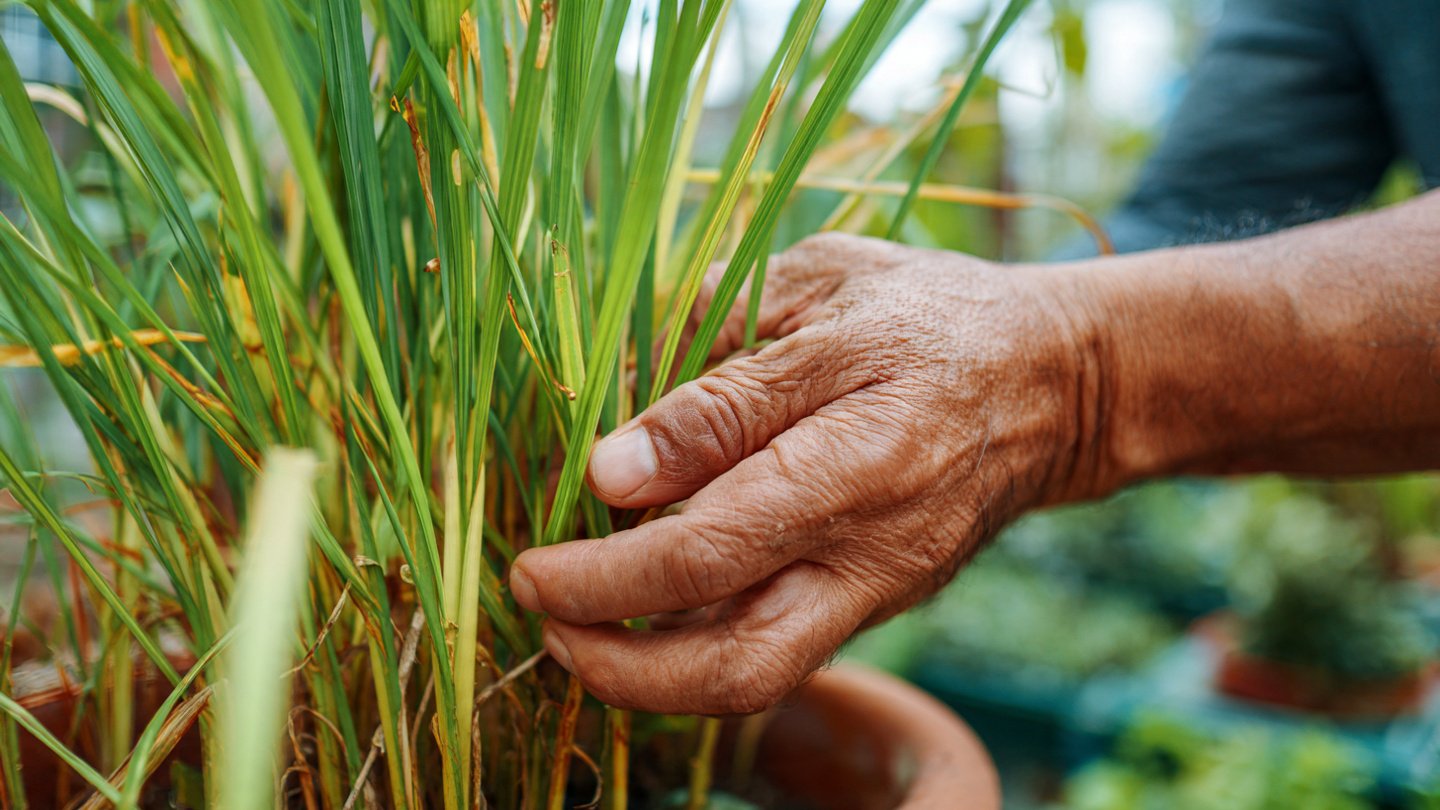
Growing lemongrass in a pot is an excellent way to enjoy fresh herbs at your fingertips while enhancing your culinary experience. Not only does this aromatic plant lend a unique flavor to dishes, especially in Asian cuisines, but it also boasts numerous health benefits. Whether you’re a novice gardener or an experienced plant enthusiast, mastering the method of growing lemongrass in a pot is a rewarding endeavor. This article will provide a comprehensive guide on how to cultivate this versatile herb effectively.
Understanding Lemongrass
Lemongrass (Cymbopogon citratus) is a tropical plant native to Asia. Known for its tall, slender stalks and citrusy aroma, lemongrass can thrive in warm climates but is also adaptable to container gardening. It typically grows in clumps and can reach heights of up to 3 feet, making it a lovely ornamental addition to your patio or balcony.
Latest Posts
- How to Use Invisible Wire for a Stunning Climbing Plant Wall
- Are Your Garden Tools Making Your Plants Sick?
- How to Style a Small Studio with Columnar Cacti
- Why Is My Zucchini Shaped Like a Lightbulb?
- How to Protect Your Fruit From Birds Without Nets
- How to Keep Squirrels Away from Your Fruit Trees
- How to Protect Your Fruit from Birds Without Nets
- Why Biochar Is a Game-Changer for Your Kitchen Garden
- Why Some Rare Cacti Bloom Only One Night a Year
- How to Grow Rare Blue Strawberries at Home
Varieties of Lemongrass
Before you begin, it’s essential to understand the two main varieties of lemongrass:
-
West Indian Lemongrass (Cymbopogon citratus): This is the most common variety used in cooking. It has a stronger citrus flavor and is often found in Asian cuisine.
-
East Indian Lemongrass (Cymbopogon flexuosus): This variety is considered more aromatic but less common in culinary uses.
Choosing the Right Pot
Selecting the right container for growing lemongrass is crucial. Here are some guidelines:
Size
- Depth: Ensure the pot is at least 12 inches deep to accommodate the root system. Lemongrass grows in clumps, and its roots need space to spread.
- Width: A pot with a width of 10 to 14 inches is ideal. This allows for multiple stalks to grow alongside each other.

Material
- Terracotta and Ceramic: These materials are good for providing breathability, which is essential for root health.
- Plastic: While lightweight and more affordable, ensure that the pot has drainage holes to prevent waterlogging.
Drainage
Proper drainage is vital to prevent root rot. Ensure that your pot has drainage holes at the bottom, and consider adding a layer of gravel or small stones at the base to facilitate drainage.
Ideal Soil Conditions
Lemongrass thrives in well-draining soil with a slightly acidic to neutral pH (around 6.0 to 7.0). You can use a high-quality potting mix or create your own by combining the following:
- Organic Compost: Adds nutrients and improves soil structure.
- Perlite or Vermiculite: Enhances drainage and aeration.
- Peat Moss: Retains moisture while allowing good drainage.
Mix these components in a ratio of 2:1:1 for optimal results.
Sunlight Requirements

Lemongrass requires full sun to thrive, which means it should receive at least 6 to 8 hours of direct sunlight daily. If you’re growing lemongrass indoors, place it near a south-facing window. Alternatively, you can use grow lights to simulate sunlight exposure, especially in winter months.
Planting Lemongrass
Once you’ve gathered your materials, it’s time to plant. Here’s how:
1. Sourcing Your Stalks
Lemongrass can be propagated from store-bought stalks. Look for fresh, green stalks with rigid bases. You can also grow from seeds, but this method is slower.
2. Preparations for Planting
-
Cut the Stalks: If you’re using fresh stalks, cut them to about 6 to 8 inches in length. Remove any leaves to focus energy on root development.
-
Water the Stalks: Place the stalks in a glass of water and keep them in a warm, sunny spot. Change the water every couple of days. After a week or so, you should see roots starting to develop.
3. Planting Process
-
Fill the Pot: Fill your pot with the prepared potting mix, leaving an inch or two of space at the top for watering.
-
Create Holes: Dig small holes in the soil for each stalk (space them at least 6 inches apart).

-
Plant the Stalks: Place the rooted stalks into the holes, ensuring that the roots are buried, and the tops are just above the soil surface.
-
Water Generously: After planting, water thoroughly to help settle the soil around the roots.
Watering and Fertilizing
Watering
Lemongrass thrives in moist soil but is sensitive to overwatering. Follow these tips:
- Frequency: Water the plant once a week, allowing the top inch of soil to dry out before the next watering.
- Check for Moisture: Insert your finger into the soil; if it’s dry, it’s time to water.
Fertilizing
Lemongrass benefits from regular fertilization, particularly during the growing season (spring and summer).
-
Use Balanced Fertilizer: A balanced, water-soluble fertilizer (such as a 10-10-10 NPK formula) diluted to half strength every four to six weeks is sufficient.
-
Organic Options: Alternatively, you can use organic compost or well-rotted manure to provide nutrients.
Pruning and Harvesting Lemongrass
Pruning is crucial to promote healthy growth and encourages the development of more shoots.
Pruning
- Timing: Start pruning once the plant is established (after about two months).
- Technique: Cut back any dead or yellowing leaves, and trim the stalks to about 12 inches in height to encourage bushier growth.
Harvesting
-
When to Harvest: You can start harvesting lemongrass stalks within three to four months of planting.
-
How to Harvest: Cut the stalks about an inch above the ground, using a sharp knife. Always leave a portion of the stalks to allow the plant to continue growing.
Pests and Diseases
While lemongrass is relatively pest-resistant, you may occasionally encounter some issues:
Common Pests
- Aphids: These tiny insects can suck the sap from plants. Regularly check your lemongrass for clusters and wash them off with water.
- Spider Mites: If you notice fine webbing, your plant may have spider mites. Increasing humidity can help deter them.

Diseases
- Root Rot: This is common with overwatering. Ensure proper drainage and avoid letting the roots sit in stagnant water.
Winter Care and Storage
If you live in a cooler climate, consider the following:
- Bringing Indoors: As temperatures begin to drop, bring your pot indoors to a sunny location.
- Consider Storage: If you want to store lemongrass for the winter, you can dig it up, replant it in fresh soil, and care for it indoors.
Conclusion
Growing lemongrass in a pot is not only feasible but also an enriching experience. With proper care, attention to soil and sunlight, and timely harvesting, you can enjoy the benefits of fresh lemongrass all year round. Whether you’re enhancing your culinary delights or indulging in its aromatic qualities, this herb can flourish in confined spaces, making it accessible for everyone, even in urban environments. With this guide, you are well-equipped to master the art of growing lemongrass in a pot. Happy gardening!