Introduction
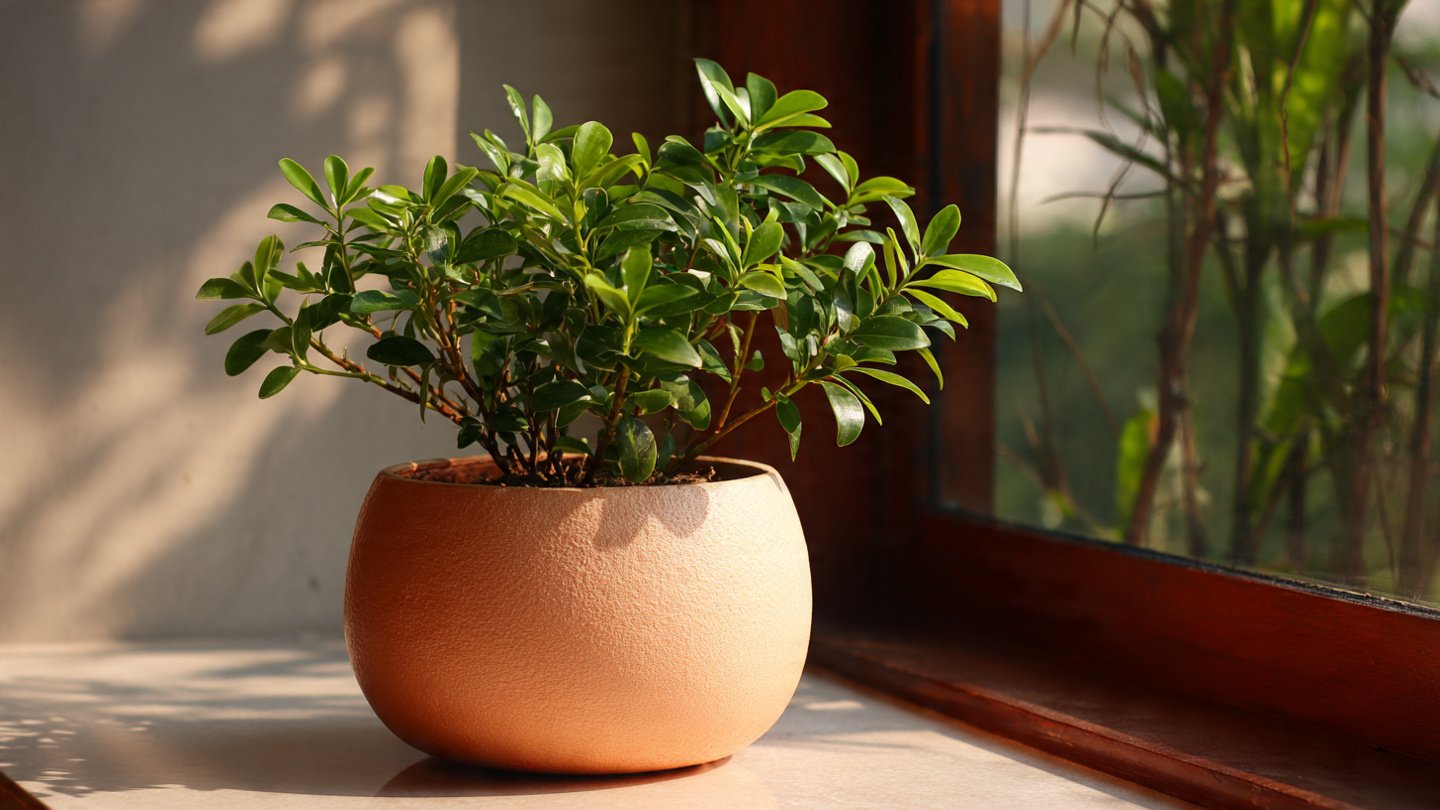
Tej Patta, also known as Indian bay leaf, is a fragrant leaf widely used in Indian cuisine and traditional medicine. The leaves, obtained from the Cinnamomum tamala tree, impart a unique flavor to various dishes and are known for their aroma. While traditionally grown outdoors, many gardening enthusiasts wonder if they can cultivate this aromatic herb indoors. This article delves into the feasibility of growing Tej Patta indoors and discusses the best practices for successful cultivation.
Understanding Tej Patta
Latest Posts
- How to Use Invisible Wire for a Stunning Climbing Plant Wall
- Are Your Garden Tools Making Your Plants Sick?
- How to Style a Small Studio with Columnar Cacti
- Why Is My Zucchini Shaped Like a Lightbulb?
- How to Protect Your Fruit From Birds Without Nets
- How to Keep Squirrels Away from Your Fruit Trees
- How to Protect Your Fruit from Birds Without Nets
- Why Biochar Is a Game-Changer for Your Kitchen Garden
- Why Some Rare Cacti Bloom Only One Night a Year
- How to Grow Rare Blue Strawberries at Home
Botanical Background
Tej Patta is a member of the Lauraceae family, which includes several aromatic plants. The leaves of the Tej Patta tree are dark green, elliptical, and have a strong, spicy fragrance. The tree itself can grow up to 20 meters tall in the wild. However, when grown in pots, it is more manageable and can be trained to stay smaller.
Culinary and Medicinal Uses
Tej Patta is a staple in Indian cooking, often used to flavor rice, curries, and stews. Its leaves are usually added whole during cooking and removed before serving. Beyond its culinary uses, Tej Patta is also recognized for various health benefits, including its anti-inflammatory and digestive properties.
Growing Tej Patta Indoors

Can It Be Grown Indoors?
Yes, Tej Patta can be successfully grown indoors, although certain conditions must be met. While the plant thrives in open sunlight, it can adapt to indoor environments with the right care. Growing it indoors can also protect it from pests and harsh weather conditions.
Choosing the Right Container
Choosing the appropriate pot is vital for indoor cultivation of Tej Patta. Select a pot that allows for proper drainage, as Tej Patta prefers well-draining soil. A container with a diameter of at least 12 inches will provide ample space for the roots to grow. Clay pots are particularly beneficial, as they allow moisture to evaporate and prevent overwatering.
Soil Requirements
For optimal growth, use a well-draining potting mix. A mix of potting soil, perlite, and sand will provide the right balance of nutrients and drainage. Ensure the pH level is slightly acidic to neutral, ideally between 6.0 and 7.0. Adding organic matter, such as compost, can enhance fertility and help retain moisture.
Light Requirements
Tej Patta thrives in bright, indirect sunlight. While it can tolerate some direct sunlight, excessive exposure can scorch the leaves. A south-facing window is ideal for accommodating this light requirement. If natural light is insufficient, consider supplementing with grow lights, especially during winter months.
Temperature and Humidity
Tej Patta prefers warm temperatures, ideally between 65°F and 85°F (18°C to 29°C). It can tolerate cooler temperatures down to 50°F (10°C), but prolonged exposure to cold can stunt growth. Humidity is also a critical factor; maintaining a humidity level around 40-60% will help keep the plant healthy. Indoor humidifiers can assist in achieving the right level of humidity.
Watering Schedule
Proper watering is essential for the health of indoor Tej Patta. The soil should be kept moist but not soggy; overwatering can lead to root rot. A good rule of thumb is to water when the top inch of soil feels dry. During the growing season (spring and summer), the plant may require more frequent watering, whereas it needs less in the dormant season (fall and winter).
Fertilization
Fertilizing your Tej Patta plant can support its growth and enhance its flavor. Use a balanced, water-soluble fertilizer every four weeks during the growing season. Organic options, like fish emulsion or compost tea, can also be beneficial. Avoid fertilizing in the dormant months to prevent unnecessary stress on the plant.
Pruning and Maintenance
To encourage bushier growth and maintain an attractive shape, regular pruning is essential. You can trim back the tips of the branches while harvesting leaves to promote further branching. This will not only enhance the plant’s appearance but also encourage new growth.
Pest Management
Tej Patta can be prone to common indoor pests like aphids, spider mites, and mealybugs. Regularly inspecting the leaves for signs of infestation is crucial. Natural remedies, such as insecticidal soap or neem oil, can effectively manage pest problems without harming the plant.
Propagation
Propagation of Tej Patta can be done through seeds or stem cuttings. Seed germination may take a few weeks, while cuttings can root within a few months under the right conditions. If you choose to propagate from cuttings, select healthy stems, and place them in well-draining soil. Covering the pot with a plastic bag for humidity can help in root development.
Troubleshooting Common Issues
Despite following the best practices, indoor gardening sometimes comes with challenges. Here are common problems and solutions:
Leaf Yellowing
If the leaves are turning yellow, this may indicate overwatering. Check the soil moisture and adjust your watering schedule accordingly.
Stunted Growth
Stunted growth could result from insufficient light. Consider relocating the plant to a brighter spot or using grow lights to supplement its light intake.
Leaf Drop
Leaf drop may occur due to sudden temperature changes or under-watering. Ensure the plant is in a stable environment and adjust the watering schedule as needed.
Harvesting Tej Patta
Harvesting Tej Patta can commence about six to twelve months after planting. Select mature leaves by snipping them off at the stem. It’s essential to remove only a few leaves at a time to ensure the plant maintains enough foliage for continued growth. The best time to harvest is early in the morning when the essential oils are most concentrated.
Conclusion
Growing Tej Patta indoors is not only feasible but also rewarding. By providing the right conditions—adequate light, warmth, humidity, and care—you can cultivate this aromatic herb successfully. Whether used in your cooking or enjoyed as a fragrant houseplant, indoor Tej Patta can enhance your living space and culinary adventures. With dedication and attention, you can reap the benefits of this wonderful herb, bringing the essence of Indian cuisine into your home.
Additional Tips
- Choose Quality Seeds or Plants: Sourcing viable seeds or healthy young plants from reputable nurseries will increase your chance of success.
- Rotate the Plant: Rotating the pot occasionally will help it grow evenly, as it encourages all sides to receive adequate sunlight.
- Companion Planting: If you’re interested in an indoor herb garden, Tej Patta can thrive alongside other herbs like basil and oregano, which prefer similar soil and light conditions.
- Learn from Experience: Each plant is unique, and observing your Tej Patta’s growth can help you refine your care routine.
Cultivating Tej Patta indoors can be a delightful and aromatic addition to any indoor gardening project, making your culinary endeavors even more enjoyable. Happy gardening!