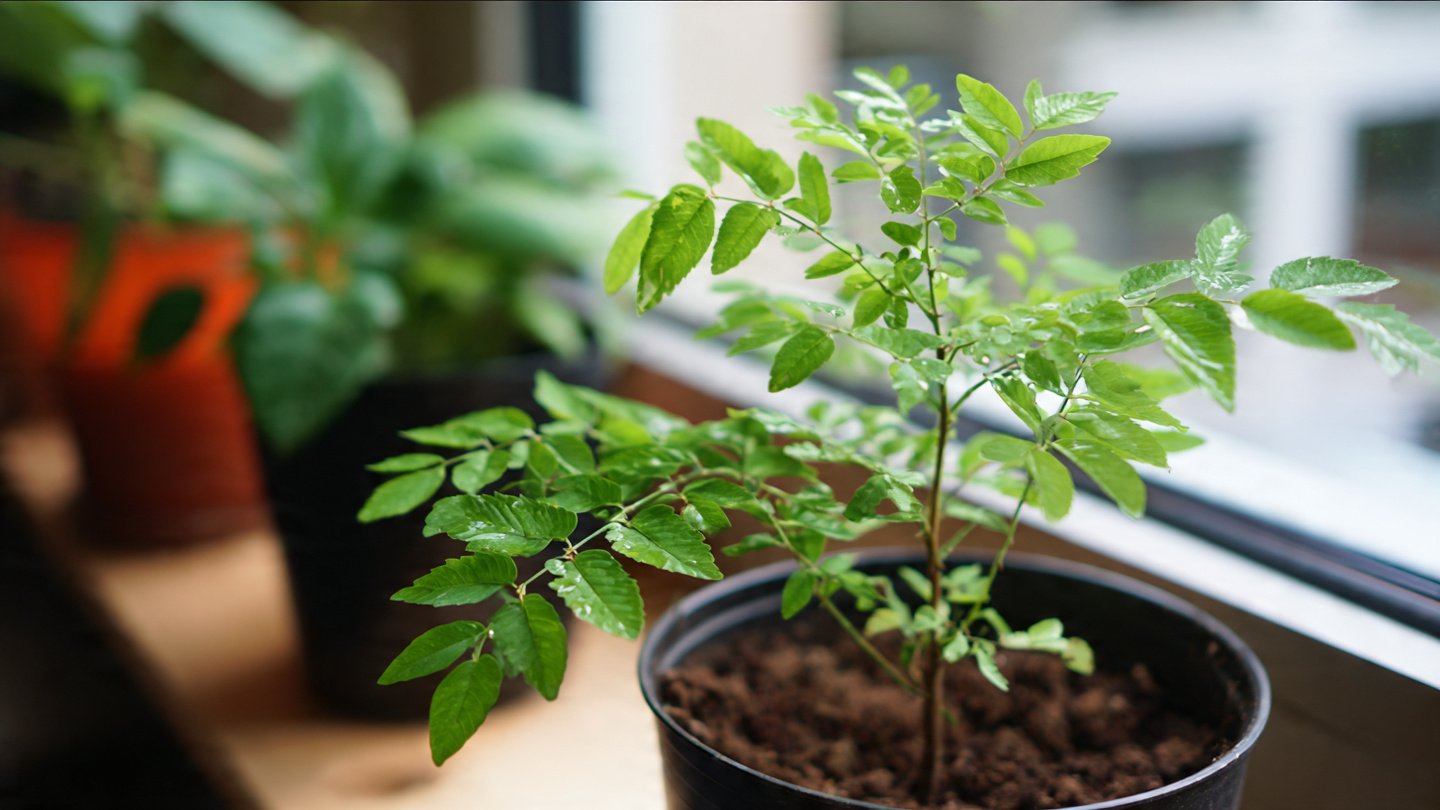
Curry leaves (Murraya koenigii) are not just the fragrant leaves you find in South Asian kitchens; they are a beloved herb known for their unique flavor, medicinal properties, and nutritional benefits. While traditionally grown outdoors, these plants can also be cultivated indoors, offering a handful of advantages such as convenience and year-round accessibility. This article dives into the indoor cultivation of curry leaves, exploring everything from the right environment to maintenance techniques that ensure thriving plants.
Understanding the Basics of Curry Leaves
Before delving into the specifics of indoor cultivation, it’s essential to understand what curry leaves are. This compound-leaved tree is native to tropical regions of India and Sri Lanka but has gained popularity worldwide. The aromatic leaves are often used in curries, chutneys, and various culinary delights. Moreover, they are rich in antioxidants and have several health benefits, including supporting digestive health and lowering bad cholesterol levels.
Why Grow Curry Leaves Indoors?
- Accessibility: Having fresh curry leaves at your fingertips means you can enhance your culinary creations without needing to run to the store.
- Space Optimization: For those living in urban areas with limited outdoor space, growing herbs indoors makes the most of your available area.
- Control Over Conditions: Indoors, you can better manage temperature, humidity, and light, creating an ideal environment for plant growth.
- Year-Round Growth: Indoors, you can cultivate curry leaves throughout the year, regardless of the external climate.
Supplies You’ll Need
1. Containers
Choose containers that are approximately 12 inches deep and wide to accommodate the root system. Ensure that they have drainage holes to prevent waterlogging.
2. Soil
Opt for well-draining potting mix enriched with organic matter. A mixture of potting soil, perlite, and compost is highly effective.
3. Lighting
Curry leaves thrive in bright, indirect sunlight. If natural light is limited, consider investing in grow lights.
Latest Posts
- How to Use Invisible Wire for a Stunning Climbing Plant Wall
- Are Your Garden Tools Making Your Plants Sick?
- How to Style a Small Studio with Columnar Cacti
- Why Is My Zucchini Shaped Like a Lightbulb?
- How to Protect Your Fruit From Birds Without Nets
- How to Keep Squirrels Away from Your Fruit Trees
- How to Protect Your Fruit from Birds Without Nets
- Why Biochar Is a Game-Changer for Your Kitchen Garden
- Why Some Rare Cacti Bloom Only One Night a Year
- How to Grow Rare Blue Strawberries at Home

4. Fertilizers
Organic fertilizers, such as compost or well-rotted manure, are ideal. You may also use a balanced liquid fertilizer during the growing season.
5. Watering Equipment
Watering cans or self-watering containers can help maintain moisture levels without overwatering.
Setting Up the Indoor Environment
1. Location
Select a location that receives plenty of natural light, such as a south or west-facing window. Alternatively, grow lights can substitute natural light when necessary. Ensure that the location remains relatively warm, ideally between 70°F to 85°F.
2. Temperature and Humidity
Curry leaves prefer warm and humid conditions. If your home is dry, especially in winter, consider using a humidifier or placing a tray of water near the plants to increase humidity.
Planting Curry Leaves Indoors
1. Propagation Methods
Curry leaves can be grown from seeds or cuttings.

Seeds
- Soak the Seeds: Start by soaking seeds in water for 24 hours.
- Sow: Plant seeds 1 inch deep in the soil.
Cuttings
- Select Healthy Stems: Choose a healthy stem with at least five or six leaves.
- Cut and Prepare: Cut below a leaf node and remove the lower leaves.
- Rooting Hormone: Dip the cut end in rooting hormone (optional) before planting it in the soil.
2. Watering the Seeds or Cuttings
Keep the soil consistently moist but not waterlogged. Cover the container with a plastic dome or plastic wrap to maintain humidity until the seeds germinate or cuttings root, which usually takes about 2-4 weeks.
Caring for Your Indoor Curry Leaf Plants
1. Watering Schedule
Once established, water your plants when the top inch of soil feels dry. Overwatered plants often suffer from root rot, so it’s crucial to strike the right balance.
2. Fertilization
Feed your plants with an organic fertilizer every four to six weeks during the growing season (spring and summer). Reduce feeding in fall and winter as growth slows.
3. Pruning
Regular pruning encourages bushier growth and removes any dead or yellowing leaves. Cutting back the plant will also help maintain its size, making it more manageable for indoor conditions.
Pest and Disease Management
Despite your best efforts, pests and diseases may pose a threat to your indoor curry leaf plants. Here are some common challenges you may face:

1. Common Pests
- Aphids: Small insects that suck sap from the plant. Spray with insecticidal soap or neem oil.
- Spider Mites: Look for fine webs on the undersides of leaves. Increase humidity and treat with insecticidal soap.
2. Fungal Diseases
- Powdery Mildew: A white powdery substance on leaves can be treated with fungicidal sprays. Ensure good air circulation around the plants to prevent this condition.
Harvesting Your Curry Leaves
Once your indoor curry leaf plants mature, typically within 1-2 years, you’ll be eager to start harvesting. Follow these guidelines for optimal results:
1. Timing
Begin harvesting once the plant has enough leaves to spare, typically when it reaches 12-18 inches in height.
2. Method
Use clean, sharp scissors to snip off sprigs of leaves. Avoid stripping the plant of all its leaves; leaving a healthy amount ensures continued growth.
3. Storage
Fresh curry leaves can be stored in a sealed container in the refrigerator for up to a week. Alternatively, you can dry them for long-term storage, but be aware that drying may diminish some of their flavor.
Troubleshooting: Common Issues
Even with diligent care, you might encounter some problems. Here are a few common issues and their solutions:
1. Yellow Leaves
This can indicate overwatering, nutrient deficiencies, or pest infestations. Check your watering schedule and inspect for pests.
2. Stunted Growth
Insufficient light or nutrients can stifle growth. Ensure your plants receive adequate light and fertilizer.
3. Drooping Leaves
Drooping can be a sign of underwatering or overwatering. Check the soil moisture and adjust your watering habits accordingly.
Conclusion
Mastering the grow curry leaf indoor method requires patience, practice, and a keen understanding of the plant’s needs. By providing the right conditions, regular care, and addressing any issues promptly, you can enjoy thriving curry leaf plants that bring flavor and fragrance to your home.
Whether you’re a seasoned gardener or a beginner, cultivating curry leaves indoors can be a rewarding experience, enhancing both your culinary adventures and your home environment. With the right techniques, you can create a mini indoor oasis where these aromatic herbs flourish year-round, enriching your dishes and elevating your culinary skills. So, roll up your sleeves, gather your supplies, and embark on this exciting journey to grow your curry leaves indoors!