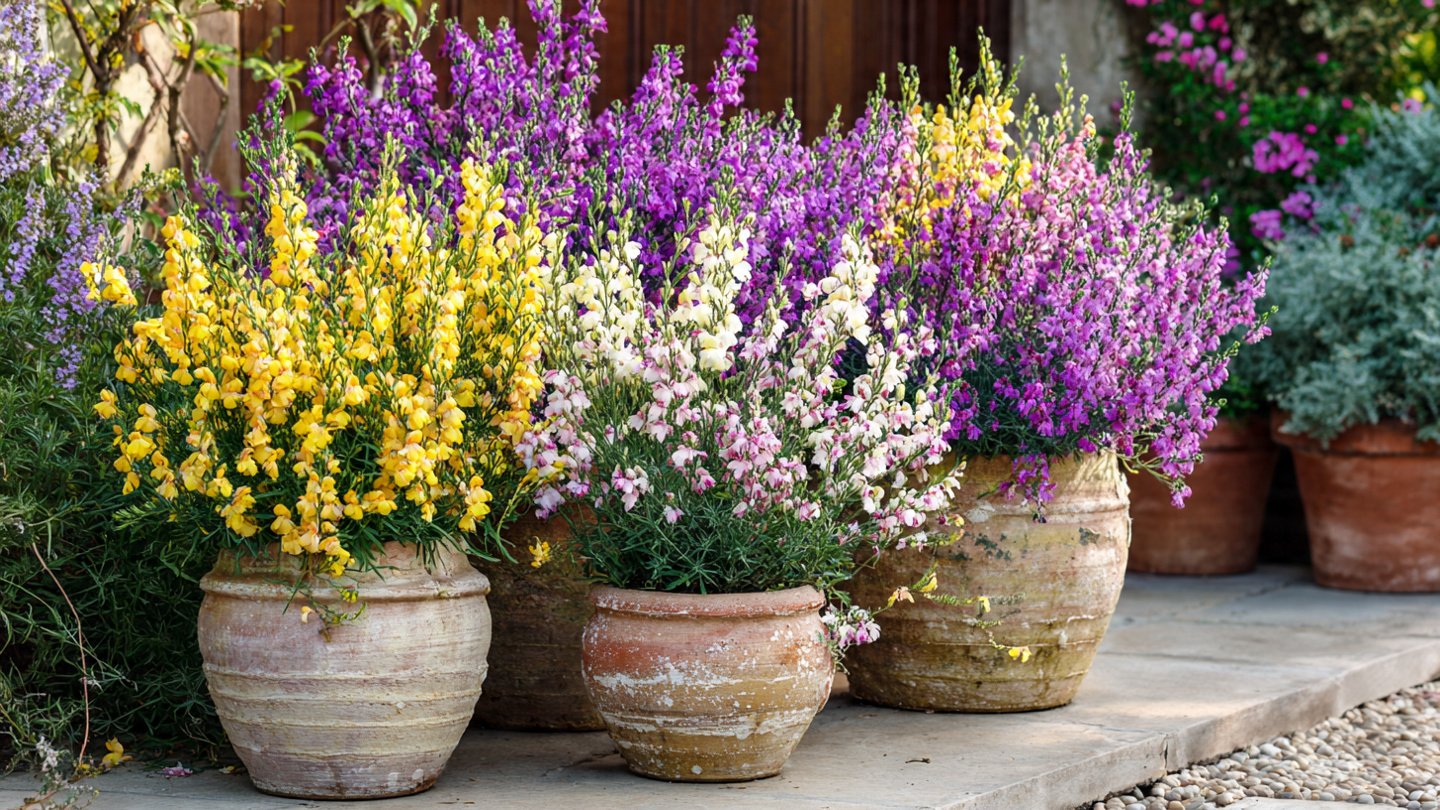
Linaria, commonly known as toadflax, is a vibrant flowering plant adored for its delicate, snapdragon-like blooms and ease of care. Ideal for both novice and experienced gardeners, this charming member of the Plantaginaceae family can thrive in various climates, making it an excellent choice for container gardening. This article delves into the essentials of growing Linaria in pots, offering insights on soil, sunlight, watering, fertilization, propagation, and troubleshooting common issues, ensuring that your pots overflow with colorful blooms.
Understanding Linaria
Before diving into the specifics of pot cultivation, it’s essential to understand Linaria’s characteristics. These hardy perennials and annuals can reach heights of 12 to 30 inches, producing clusters of slender, tubular flowers in vibrant shades of yellow, purple, pink, or blue. While they can adapt to different environments, growing Linaria in pots allows for greater control over their growing conditions.
Latest Posts
- How to Use Invisible Wire for a Stunning Climbing Plant Wall
- Are Your Garden Tools Making Your Plants Sick?
- How to Style a Small Studio with Columnar Cacti
- Why Is My Zucchini Shaped Like a Lightbulb?
- How to Protect Your Fruit From Birds Without Nets
- How to Keep Squirrels Away from Your Fruit Trees
- How to Protect Your Fruit from Birds Without Nets
- Why Biochar Is a Game-Changer for Your Kitchen Garden
- Why Some Rare Cacti Bloom Only One Night a Year
- How to Grow Rare Blue Strawberries at Home
Selecting the Right Pot
Choosing the right pot is crucial for Linaria’s growth. Here are key factors to consider:
1. Size
Select a pot that is at least 12 inches in diameter. This will provide enough space for root development. Linaria plants can become top-heavy, so ensure the pot is sturdy enough to support their growth.
2. Material
Pots can be made from various materials, including clay, plastic, and ceramic. Clay pots are porous and allow for better air circulation to the roots but may dry out faster. Plastic pots retain moisture longer, making them suitable for warmer climates. Choose a material based on your climate and moisture retention needs.
3. Drainage
Ensure that the pot has drainage holes. This prevents waterlogging, which can lead to root rot. You can place a layer of rocks or broken pottery at the bottom of the pot to improve drainage further.

Choosing the Right Soil
The soil you use significantly impacts Linaria’s health. Here’s how to choose the best mix:
1. Soil Type
Linaria thrives in well-draining soil. A balanced potting mix combined with elements such as peat moss, perlite, and coarse sand can create optimal conditions. This ensures good drainage while holding essential nutrients.
2. Soil pH
Aim for a soil pH between 6.0 and 7.5. Most commercial potting mixes are within this range, but testing the pH can help you make further adjustments if necessary.
3. Nutrient-Rich Additives
Incorporate organic matter such as compost into the mix. This provides essential nutrients for healthier plant growth and encourages beneficial microbial activity in the soil.
Sunlight Requirements
Linaria plants flourish in full sun, requiring at least six hours of direct sunlight daily. Here are some tips for ensuring they get enough light:
1. Placement
Choose a spot on your patio, balcony, or garden where the pots receive ample sunlight. If growing indoors, a south-facing window is ideal.
2. Rotation
Rotate your pots every few weeks to ensure even light exposure. This helps promote balanced growth and prevents the plant from leaning towards the light source.
Watering Linaria in Pots
Consistent watering is crucial for the health of Linaria. However, the frequency will depend on various factors.
1. Watering Schedule
Check the top inch of soil for dryness. Water only when this layer is dry to the touch. It’s usually best to water thoroughly until it runs out of the drainage holes, then allow the soil to dry out before watering again.
2. Environmental Factors
In hotter climates, you may need to water daily, while in cooler weather, once a week may suffice. Observe your plants and adjust your schedule based on their needs.
3. Avoid Overwatering
Overwatering is a common mistake that can lead to root rot. Ensure that pots are well-drained, and never let them sit in standing water.
Fertilizing for Thriving Blooms
Fertilization plays an essential role in the growth of Linaria. Here’s how to keep your plants well-nourished:
1. Organic Fertilizer
Use a balanced organic fertilizer (like a 10-10-10 formula) every 4 to 6 weeks during the growing season. This provides essential nutrients without the risk of over-fertilizing.
2. Dilution
Always follow the recommended dilution rates on fertilizers. Over-fertilizing can lead to nutrient burn and damage your plants.
3. Signs of Nutrient Deficiency
Keep an eye out for yellowing leaves, which can signify a lack of nitrogen or other critical nutrients. Adjust your fertilization routine accordingly.
Propagation Techniques
Linaria can be propagated through seeds or cuttings. Here’s a closer look at each method:
1. Seed Sowing
- Timing: Start seeds indoors 6-8 weeks before the last frost or sow them directly outdoors after the frost.
- Process: Sow seeds in a moist potting mix and lightly cover them with soil. Keep them in a warm, sunny location until they germinate.
2. Cuttings
- Method: Take stem cuttings from healthy plants in early summer. Remove the lower leaves, dip the cut end in rooting hormone, and plant in moist potting soil.
- Care: Cover with a clear plastic bag to maintain humidity until roots develop, usually within a month.
Common Pest and Disease Issues
While Linaria is generally resilient, it can occasionally face pest and disease challenges:
1. Pests
- Aphids: Small insects that can affect new growth. Use insecticidal soap to control infestations.
- Spider Mites: Look for webbing on leaves. Increase humidity and rinse leaves to eliminate them.
2. Diseases
- Powdery Mildew: A common fungal issue, particularly in humid conditions. Improve air circulation and avoid overhead watering.
- Root Rot: Caused by overwatering. Ensure proper drainage and allow the soil to dry out between watering sessions.
Maintaining Your Linaria
Maintenance is essential for keeping your Linaria blooming beautifully:
1. Pruning
Regular pruning helps promote bushier growth and prolongs blooming. Deadhead spent flowers to encourage new blooms and prevent the plant from going to seed.
2. Seasonal Care
As winter approaches, be mindful of the specific varieties of Linaria you’re growing. Some are annuals, while others are perennials that may need appropriate winter protection, especially in colder regions.
3. Seasonal Sweeps
At the beginning of each growing season, perform a thorough check of the greenhouse or planting area. Remove any debris and inspect for pests or diseases before introducing new plants.
Final Thoughts
Growing Linaria in pots is not only rewarding but also an excellent way to bring color and beauty to your outdoor or indoor spaces. With proper preparation, care, and attention to detail, you can create thriving blooms that will decorate your garden from summer through fall. By following the simple hacks outlined in this guide, you’ll enjoy a vibrant display of Linaria flowers with less effort, brightening your surroundings with their stunning hues. Whether you choose to use pots on your balcony or create a charming container garden, cultivating these remarkable plants offers a fulfilling gardening experience. So gather your pots, soil, and seeds, and get ready to bring a piece of the garden into your home!