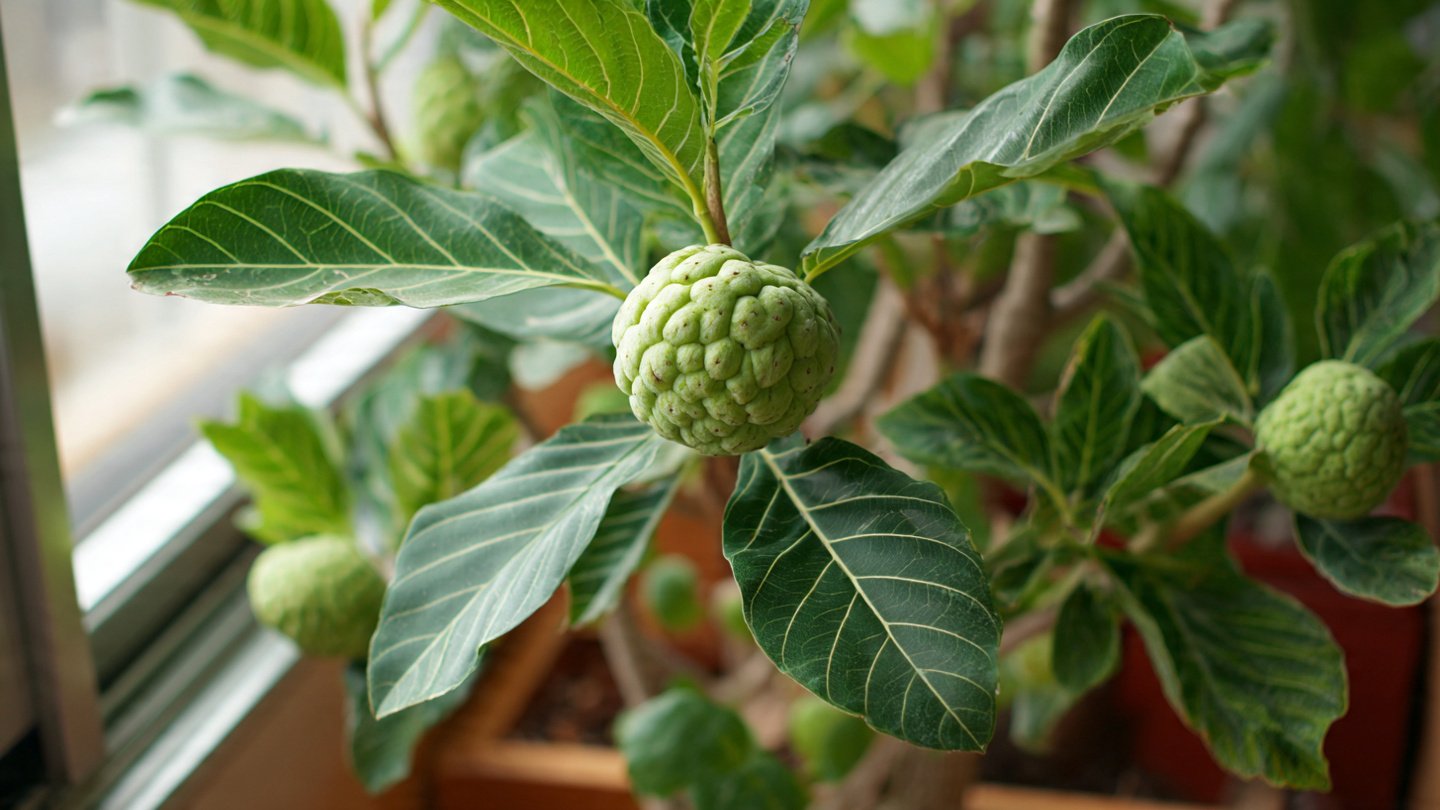
Custard apples, known scientifically as Annona squamosa, are tropical fruits appreciated for their creamy texture and sweet, custard-like flavor. Whether you’re looking to grow them for personal enjoyment or for commercial purposes, cultivating custard apple plants can be rewarding. An indoor environment provides a controlled space, but it does require proper attention to ensure your plants flourish. This guide will offer you comprehensive insights into the care and management of custard apple plants indoors.
Understanding Custard Apple Plants
Custard apples belong to the Annonaceae family, which includes other well-known fruits such as cherimoyas and soursops. The tree itself can reach heights of 10 to 20 feet in optimal conditions, but when grown indoors, it remains more compact. The plant features heart-shaped leaves that are green and glossy, and it produces fragrant flowers followed by the delicious fruits.
Latest Posts
- How to Use Invisible Wire for a Stunning Climbing Plant Wall
- Are Your Garden Tools Making Your Plants Sick?
- How to Style a Small Studio with Columnar Cacti
- Why Is My Zucchini Shaped Like a Lightbulb?
- How to Protect Your Fruit From Birds Without Nets
- How to Keep Squirrels Away from Your Fruit Trees
- How to Protect Your Fruit from Birds Without Nets
- Why Biochar Is a Game-Changer for Your Kitchen Garden
- Why Some Rare Cacti Bloom Only One Night a Year
- How to Grow Rare Blue Strawberries at Home
Benefits of Indoor Cultivation
-
Controlled Environment: Indoors, you can manage humidity, temperature, and light conditions, ensuring an ideal growth atmosphere.
-
Less Pest Infestation: Indoor plants generally face fewer pest problems compared to outdoor counterparts.
-
Year-Round Enjoyment: Growing indoors allows you to cultivate custard apples year-round, irrespective of seasonal changes.
Selecting the Right Variety
Different varieties of custard apples exist, but when growing indoors, you should opt for dwarf or semi-dwarf varieties that are more suitable for confined spaces. Some popular dwarf varieties include:
- Pinha: Known for its sweet taste and smooth texture.
- Red Custard Apple: This variety is celebrated for its vibrant color and rich flavor.

Ideal Growing Conditions
Light Requirements
Custard apple plants thrive in bright, indirect light. Here are a few tips:
- Lighting Duration: Aim for 6-8 hours of indirect sunlight daily. If natural light is insufficient, consider using grow lights.
- Rotation: Rotate the plant every few weeks to ensure even light exposure, encouraging balanced growth.
Temperature and Humidity
- Temperature: Custard apple plants prefer temperatures between 65°F and 75°F (18°C – 24°C). They are not frost-tolerant, so keep them indoors during colder months.
- Humidity: These plants thrive in humidity levels of 60-70%. Use a humidifier or a pebble tray with water beneath the pot to maintain optimal humidity levels.
Soil Composition
Custard apple plants need well-draining soil. A mixture of potting soil, sand, and perlite works well. Here are some guidelines:
- pH Level: Soil pH should ideally be between 5.5 and 7.0.
- Drainage: Ensure that your pot has drainage holes to prevent waterlogging, which can lead to root rot.

Potting and Repotting
Selecting the Right Pot
Choose a pot that is large enough to accommodate the roots but not excessively oversized. Terra cotta pots are great as they allow for evaporation, helping with drainage and air circulation.
Repotting
Repot your custard apple plant every couple of years or when you notice root-bound conditions. Signs include roots growing out of the drainage holes or slowed growth.
Transplanting Process
- Water the Plant: Before transplanting, water the plant to make it easier to remove from the pot.
- Remove Gently: Carefully take the plant out, being cautious not to damage the roots.
- Inspect Roots: Trim any dead or damaged roots.
- Soil Mixture: Add fresh soil mixture into the new pot and place the plant at the same soil level as it was before.
- Water Thoroughly: After potting, water well to settle the soil.
Watering Practices
Watering custard apple plants requires finesse. They don’t like to be too wet or too dry.

- Frequency: Water when the top inch of soil feels dry. Typically, this may be once a week; however, adjust based on humidity and temperature.
- Deep Watering: Ensure thorough soaking when you do water, allowing excess water to drain out.
Signs of Over or Under-Watering
- Under-Watering: Leaves may curl or become crisp.
- Over-Watering: Leaves turn yellow and may drop off; check for root rot.
Fertilization Schedule
Feeding your custard apple plants enhances growth and fruit yield.
Choosing Fertilizers
- Type: Use balanced, slow-release fertilizers (N-P-K ratio of 10-10-10) during the growing season.
- Organic Options: Consider compost, worm castings, or fish emulsion as natural options.
Fertilization Frequency
- Growing Season: Fertilize every 4-6 weeks during spring and summer, reducing in fall and winter.
- Application: Water the plants after applying fertilizer to avoid root burn.
Pollination and Flowering
Custard apple trees can be self-pollinating but may benefit from cross-pollination for better fruit set.
- Assisted Pollination: Use a soft brush to transfer pollen between flowers if natural pollinators are not present indoors.
- Pruning: Prune dead or excessive branches in early spring to encourage better air circulation and flowering.
Pest and Disease Management
Indoor environments can still face pest challenges. Common pests include aphids, scale, and spider mites.
Prevention and Treatment
- Regular Inspection: Check for pests regularly, focusing on the undersides of leaves.
- Natural Pesticides: Use neem oil or insecticidal soap if pest infestations are found.
Common Diseases
- Powdery Mildew: Can occur in overly humid conditions. Ensure proper air circulation and consider antifungal treatments if necessary.
- Root Rot: Caused by over-watering. Adjust your watering practices if you notice symptoms.
Harvesting Custard Apples
Custard apples take about 6 months to mature after flowering. Here’s how to tell when they’re ready:
- Color Change: The fruit will change from green to yellowish-green.
- Softness: Gently squeeze the fruit; it should yield slightly when ripe.
- Timing: Harvest fruits before they fully ripen for better storage; they can ripen off the tree.
Post-Harvest Care
Store harvested custard apples at room temperature until ripe, then refrigerate if not consumed immediately.
Seasonal Care Tips
- Winter Care: Provide additional warmth through space heaters if necessary. Maintain humidity and reduce watering frequency.
- Summer Care: Ensure adequate watering and consider shading the plant during extreme heat.
Conclusion
Growing custard apple plants indoors can be a gratifying experience with proper care and attention. By focusing on the essential factors—light, watering, soil, humidity, and pest management—you can create a thriving environment that will yield delicious fruits. Whether you are a novice or an experienced gardener, this complete indoor care guide will set you on the path to enjoying your own custard apple harvests right at home. With patience and dedication, you can successfully cultivate these unique tropical delights. Happy gardening!