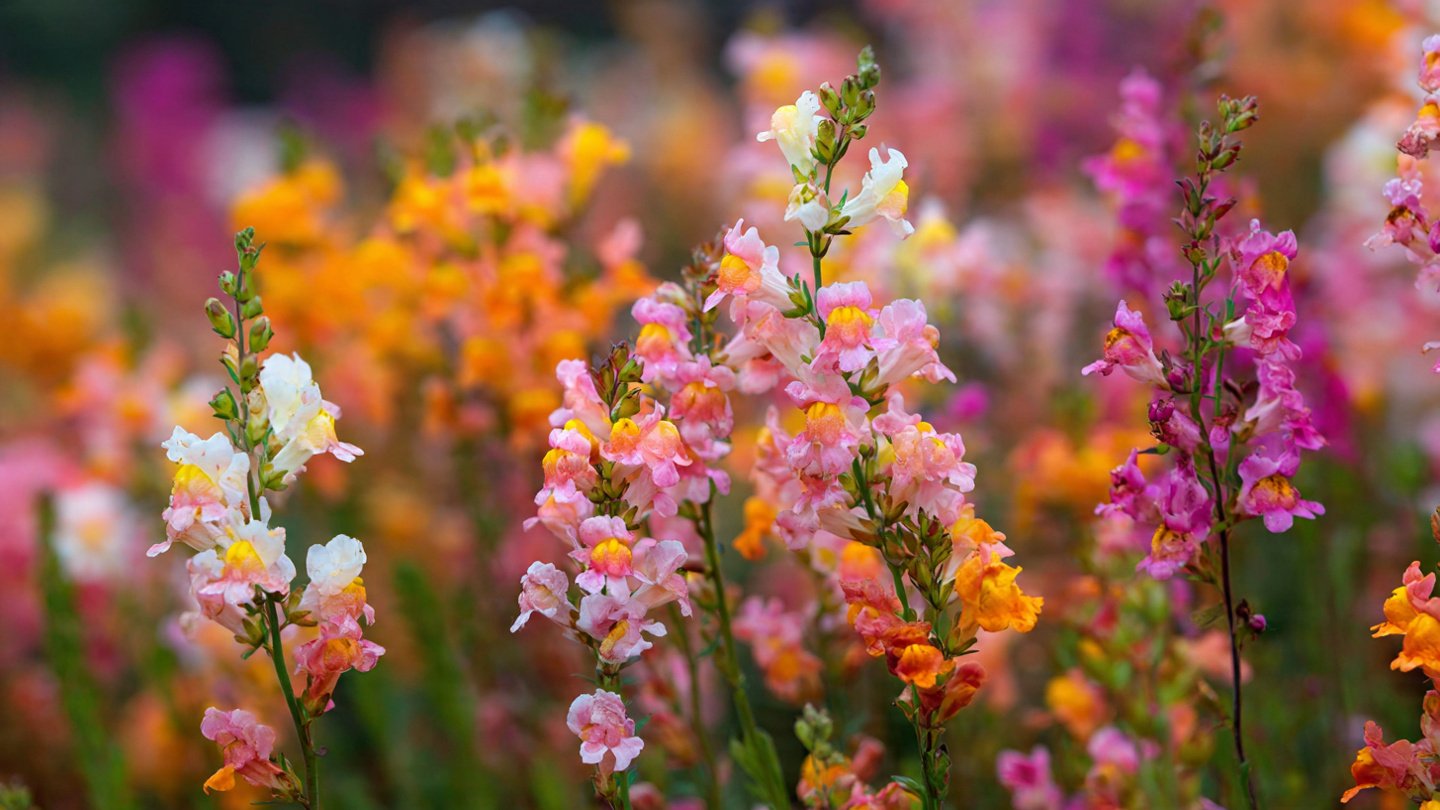
If you’re looking to add a burst of color and charm to your garden, Linaria, commonly known as toadflax, is a fantastic choice. These delightful flowers are characterized by their unique spiky blooms and cheerful pastel colors that can brighten any space. From their growing conditions to maintenance tips, this guide will explore everything you need to know about cultivating Linaria pastel flowers to create a vibrant garden display.
Understanding Linaria Pastel Flowers
Linaria belongs to the Plantaginaceae family and is known for its charming, tubular flowers that resemble snapdragons. The pastel varieties come in soft shades of pink, purple, yellow, and white, making them perfect for creating a serene and calming garden atmosphere. Besides their aesthetic appeal, these flowers attract bees and butterflies, contributing to the overall ecosystem of your garden.
Latest Posts
- How to Use Invisible Wire for a Stunning Climbing Plant Wall
- Are Your Garden Tools Making Your Plants Sick?
- How to Style a Small Studio with Columnar Cacti
- Why Is My Zucchini Shaped Like a Lightbulb?
- How to Protect Your Fruit From Birds Without Nets
- How to Keep Squirrels Away from Your Fruit Trees
- How to Protect Your Fruit from Birds Without Nets
- Why Biochar Is a Game-Changer for Your Kitchen Garden
- Why Some Rare Cacti Bloom Only One Night a Year
- How to Grow Rare Blue Strawberries at Home
Varieties of Linaria
The Linaria family boasts several species, but the most popular for pastel flowers includes:
- Linaria maroccana: Commonly known as Moroccan toadflax, this annual species offers vivid pastel hues and is perfect for borders or containers.
- Linaria purpurea: Also known as purple toadflax, this perennial variety produces spikes laden with soft, multi-colored blooms.
Understanding the different types of Linaria will help determine which suits your garden design and climate conditions.
Ideal Growing Conditions

1. Location
Choosing the right location is crucial for the successful growth of Linaria pastel flowers. These flowers prefer full sun but can tolerate partial shade. A spot that receives at least 6 hours of sunlight daily will ensure robust growth and vibrant blooms.
2. Soil Requirements
Linaria thrives in well-draining, slightly alkaline to neutral soil. Sandy loam enriched with organic matter is ideal. Before planting, perform a soil test to determine the pH and nutrient levels. Amending the soil with compost or aged manure can enhance fertility and drainage.
3. Watering Needs
While Linaria is relatively drought-tolerant once established, they benefit from consistent watering during their initial growth phase. Water deeply but infrequently to encourage strong root development. Be cautious of overwatering, as this can lead to root rot.
Planting Linaria
1. When to Plant
The best time to plant Linaria varies based on your climate. In cooler areas, aim for early spring, while in warmer regions, you can plant in the fall. Starting seeds indoors about 6-8 weeks before the last frost date is a great way to get a jump start.
2. Planting Seeds
- Seed Preparation: Linaria seeds benefit from light exposure for germination, so avoid covering them with soil.
- Spacing: Sow seeds about 12-18 inches apart to allow for adequate air circulation and growth.
- Depth: Scatter seeds on the surface of the soil and lightly press them down. Mist the area with water to keep the seeds moist without waterlogging.

3. Transplanting Seedlings
If starting seeds indoors, transplant seedlings outdoors when they are 3-4 inches tall and have developed several leaves. Acclimate them to outdoor conditions by gradually exposing them to sunlight over a week before planting.
Maintenance Tips for Linaria
1. Fertilization
Linaria does not require heavy fertilization. A balanced, slow-release fertilizer can be applied once at the beginning of the growing season. If your soil is rich in organic matter, further fertilization may not be necessary.
2. Pruning and Deadheading
Regular deadheading encourages more blooms and prevents the plant from becoming leggy. Trim spent flowers just above the foliage. For perennial varieties, cut back the plant in late fall to promote healthy growth the following spring.
3. Pest and Disease Management
Linaria is relatively resistant to pests and diseases, but keep an eye out for:

- Aphids: These small pests can be removed with a strong jet of water or by introducing beneficial insects like ladybugs.
- Powdery Mildew: Ensure good air circulation around the plants to prevent this fungal disease. If it occurs, treat affected plants with fungicides or natural remedies like milk spray.
Designing Your Garden with Linaria
1. Color Combinations
Linaria pastel flowers blend beautifully with other plants. Consider pairing them with:
- Lavender: Adds a lovely fragrance and complements pastel shades nicely.
- Coneflowers: Their vibrant colors contrast beautifully with Linaria’s soft hues.
- Ornamental Grasses: The texture of grasses provides a delightful contrast to the spiky blooms.
2. Garden Style
Linaria can be used to create various garden styles, including:
- Cottage Gardens: Their wildflower aesthetic fits perfectly in a relaxed, informal garden.
- Cutting Gardens: Grow Linaria for beautiful bouquets. Combine them with other cut flowers for stunning arrangements.
- Borders and Borders: Use Linaria to create a colorful border, adding depth and interest to your landscape.
3. Container Gardening
Linaria pastel flowers also thrive in containers. Ensure your pots have drainage holes and use a good-quality potting mix. Position the containers in a sunny location to maximize blooming potential.
Seasonal Care for Linaria
1. Spring
As spring arrives, monitor your Linaria for any signs of pests. Start fertilizing if needed and ensure consistent watering as temperatures rise.
2. Summer
In summer, check for signs of stress such as wilting or yellowing leaves, which may indicate inadequate watering. Deadhead regularly to promote continuous blooming.
3. Fall
As autumn approaches, prepare your Linaria for cooler temperatures. For annual varieties, consider letting a few blooms go to seed for next year’s growth. For perennials, trim back spent foliage and protect the base with a layer of mulch.
4. Winter
In colder climates, applying a thick layer of mulch can protect the root system of perennial Linaria during harsh winter conditions. In warmer regions, these plants can remain in the ground.
Conclusion
Growing Linaria pastel flowers can significantly enhance your garden’s vibrancy. Their unique blooms and resistance to pests make them a rewarding choice for both novice and experienced gardeners. By understanding their requirements, maintaining them, and incorporating them into your garden design, you can create a stunning display that delights throughout the growing season.
Whether you opt for a cottage-style garden, a formal border, or container arrangements, the pastel beauty of Linaria will undoubtedly add charm and elegance to your outdoor space. Happy gardening!