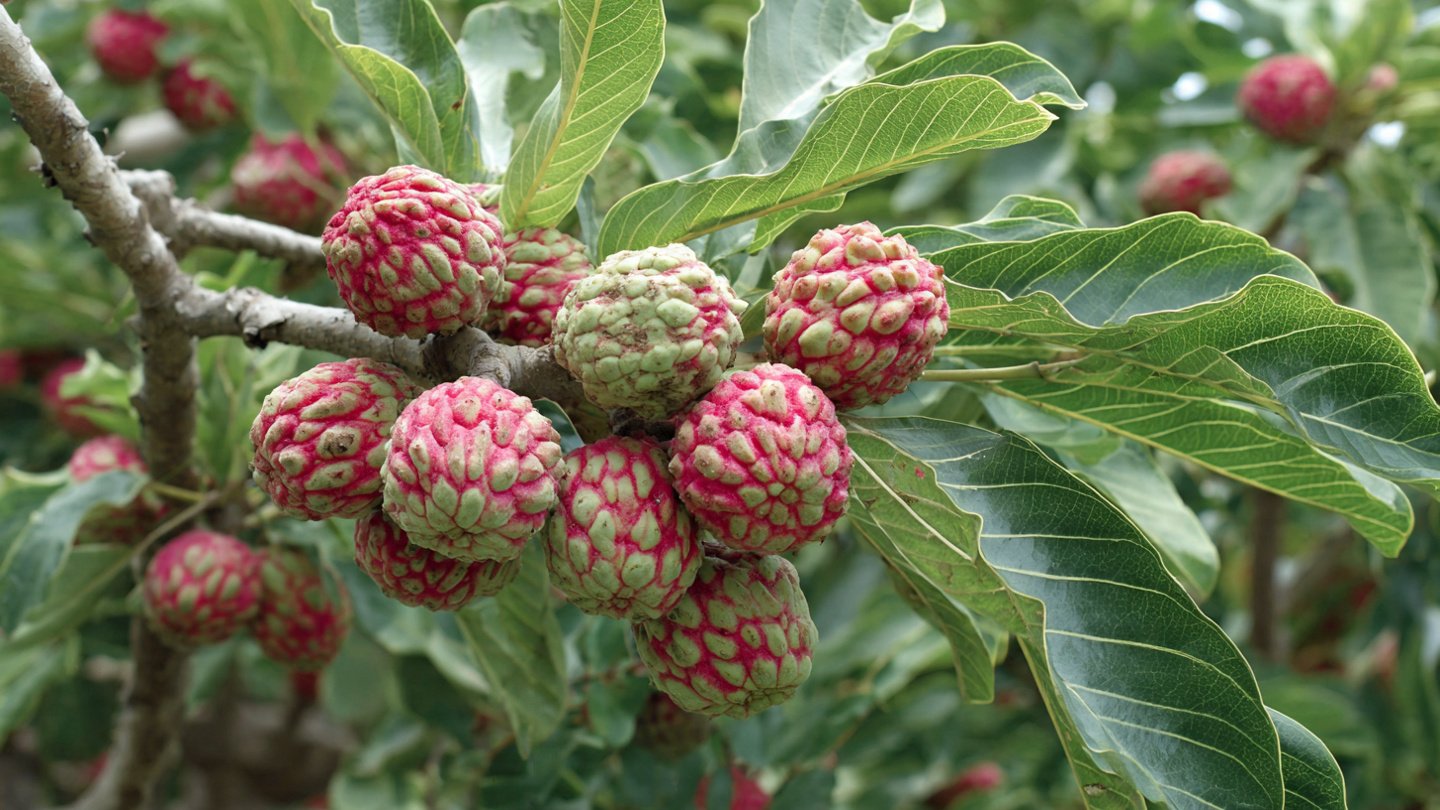
Custard apple, also known as cherimoya or sugar apple, is a delectable tropical fruit known for its sweet flavor and creamy texture. Cultivating custard apples can be rewarding, but to maximize yield and ensure healthy growth, effective pruning techniques are essential. This comprehensive article will delve into the best pruning practices that can significantly enhance custard apple growth, along with a discussion about the benefits of proper pruning.
Why Pruning is Important for Custard Apples
Pruning is more than just removing unwanted branches; it plays a crucial role in a plant’s health and productivity. Here are some reasons why pruning custard apple trees is essential:
Latest Posts
- How to Use Invisible Wire for a Stunning Climbing Plant Wall
- Are Your Garden Tools Making Your Plants Sick?
- How to Style a Small Studio with Columnar Cacti
- Why Is My Zucchini Shaped Like a Lightbulb?
- How to Protect Your Fruit From Birds Without Nets
- How to Keep Squirrels Away from Your Fruit Trees
- How to Protect Your Fruit from Birds Without Nets
- Why Biochar Is a Game-Changer for Your Kitchen Garden
- Why Some Rare Cacti Bloom Only One Night a Year
- How to Grow Rare Blue Strawberries at Home
-
Improves Air Circulation: Properly pruned trees allow better air circulation, reducing the risk of fungal diseases.
-
Enhances Sun Exposure: Pruning opens up the canopy, enabling sunlight to reach more leaves, which is vital for photosynthesis.
-
Promotes New Growth: Pruning stimulates the plant to produce new growth and fruits.
-
Controls Size and Shape: Controlling the size and shape of the tree makes it easier to manage and harvest.
-
Removes Diseased Parts: Regularly pruning removes diseased, damaged, or dead branches, enhancing the overall health of the plant.
When to Prune Custard Apple Trees
Timing is critical when it comes to pruning custard apple trees. The best time to prune is during the dormant season, typically in late winter or early spring, just before new growth begins. Pruning during this time reduces stress on the tree and promotes vigorous new growth.

Signs that Indicate Pruning is Needed
-
Overcrowded Branches: If many branches are crossing each other, pruning will ensure that the tree develops a strong framework.
-
Weak or Diseased Branches: Identifying and removing these branches helps in preventing the spread of diseases.
-
Excessive Growth: If the tree is growing too tall or wide, appropriate pruning can help control its size.
Understanding the Different Pruning Techniques
There are various pruning techniques that can enhance the growth of custard apple trees. Here are some of the most effective methods:
1. Thinning
Thinning involves cutting away some branches to open up the tree’s canopy. This technique is particularly beneficial for custard apple trees:
- Promotes Air Circulation: By removing excess branches, air can freely circulate, which reduces disease risk.
- Enhances Sunlight Access: Better sunlight exposure helps leaves synthesize more nutrients, boosting overall growth.
To thin, remove branches that are inward-facing or those that cross each other. Aim to maintain a balanced structure that supports a strong framework.
2. Heading Back

Heading back is the process of cutting back the branch tips to encourage bushier growth. This technique can be particularly effective in young custard apple trees.
- Encourages Lateral Growth: Cutting the tips prompts the tree to focus energy on side shoots, creating a fuller canopy.
- Stimulates Fruit Production: A bushier tree can increase fruit yield since more flowering buds can develop.
When heading back, remove tips back to an outward-facing bud. This encourages growth in a desirable direction.
3. Crown Lifting
Crown lifting involves removing lower branches to raise the canopy of the tree. This technique is particularly useful for improving light penetration and making harvesting easier.
- Improves Access: Lifting the crown allows for easier access when harvesting fruits and performing maintenance.
- Reduces Competition: Lower branches can compete for resources, so pruning them helps the tree focus on upper growth.
As a guideline, remove lower branches that are less productive or those that disrupt the overall shape.
4. Suckering
Suckers are vigorous shoots that grow from the base of the tree or along the trunk. While they can be appealing, they can sap energy from the main plant.
- Energy Conservation: Removing suckers encourage the main tree to channel energy into fruit production.
- Improves Structure: Suckers can lead to a weak structure if allowed to grow uncontrolled.

Regularly check for suckers and remove them at their base to encourage optimal growth.
Tools for Pruning Custard Apple Trees
Having the right tools is essential for effective pruning. Here are some tools to consider:
-
Pruning Shears: Ideal for cutting small branches up to ¾ inch thick.
-
Loppers: These are better for larger branches and provide a longer reach.
-
Pruning Saw: A useful tool for cutting thicker branches that cannot be pruned with shears.
-
Gloves: Protect your hands while you prune.
-
Disinfectant: Keep tools clean to prevent the spread of diseases.
Step-by-Step Guide to Prune Custard Apple Trees
Now that you understand the importance and techniques of pruning custard apple trees, here’s a practical step-by-step guide:
Step 1: Assess the Tree
Begin by assessing your tree to identify areas that require pruning. Check for crowded branches, weak or diseased wood, and suckers.
Step 2: Gather Your Tools
Prepare your pruning tools and disinfect them to minimize the risk of disease. Ensure you have gloves and a cleanup bag handy.
Step 3: Start with Thinning
Begin by thinning the canopy. Focus on inward-facing branches and those that are crowded together. Cut them back to their point of origin.
Step 4: Apply Heading Back Techniques
Next, use heading back techniques for branch tips. Cut back to an outward-facing bud on healthy branches to promote lateral growth.
Step 5: Lift the Crown
If needed, remove lower branches to lift the crown. Select branches that disrupt the overall shape or don’t contribute to fruit production.
Step 6: Remove Suckers
Finally, remove any suckers at the base of the tree. Check regularly throughout the growing season and remove any new growth.
Step 7: Clean Up
After pruning, properly dispose of all cuttings to prevent pests and diseases. Clean your tools again for good measure.
Post-Pruning Care
After pruning, trees can experience stress. Here are some post-pruning care tips:
-
Watering: Make sure the tree is well-watered after pruning to help it recover from stress.
-
Fertilization: Consider applying a balanced fertilizer to provide necessary nutrients that enhance recovery.
-
Mulching: Apply mulch around the base to retain moisture and suppress weeds.
-
Monitoring: Keep a close eye on the tree for signs of stress or disease after pruning. Take action quickly if issues arise.
Conclusion
Pruning custard apple trees is an essential practice for accelerating growth and enhancing fruit production. By understanding the techniques—thinning, heading back, crown lifting, and suckering—you can significantly improve the health and yield of your trees. Remember to take the right steps at the appropriate time and invest in proper tools and care practices to garner the best results. With patience and diligence, your custard apple trees will flourish, offering bountiful fruits for years to come.