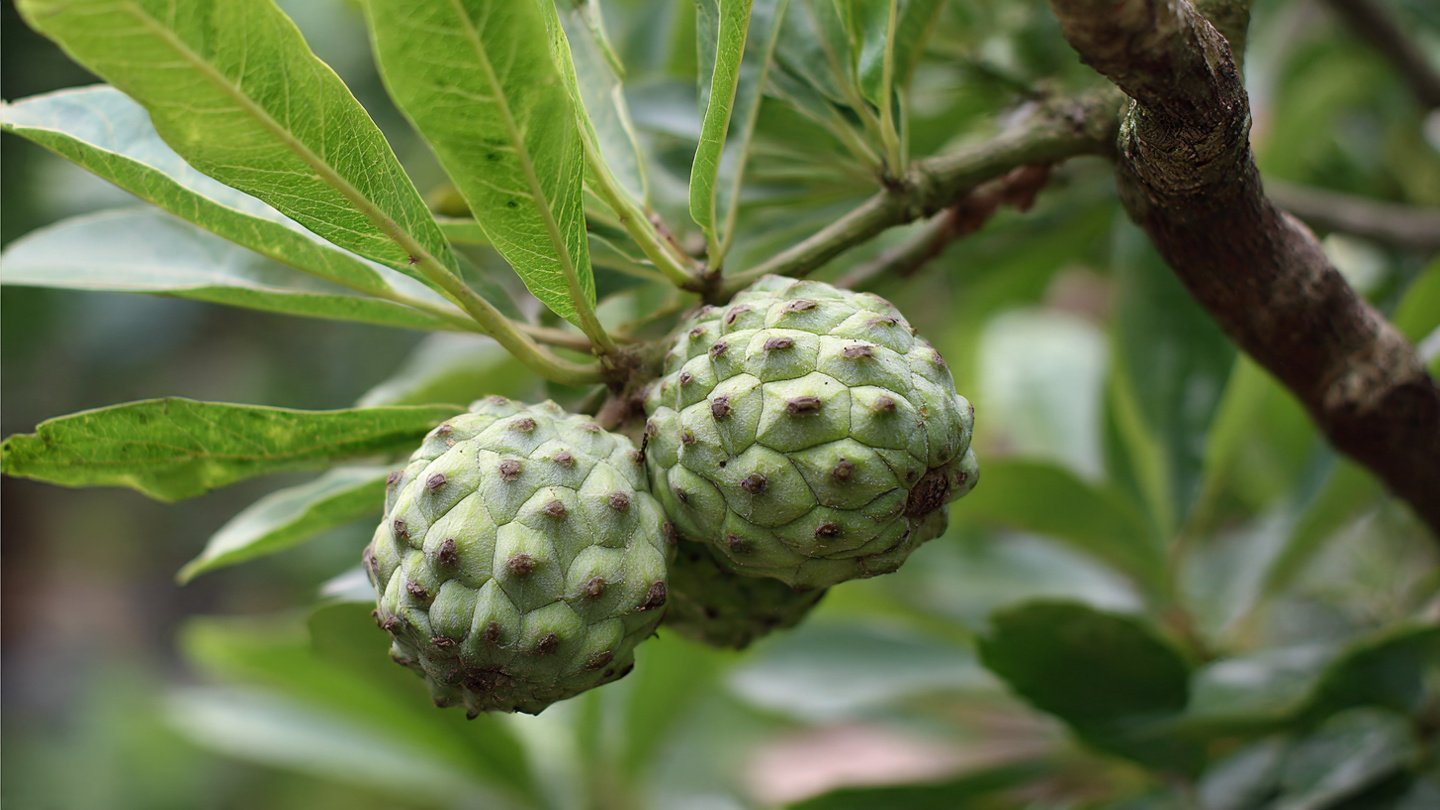
The custard apple, also known as Annona squamosa, is a delicious and exotic fruit native to tropical Americas. Renowned for its creamy texture and sweet flavor, this fruit has gained popularity in various regions, from the Americas to Asia and beyond. Propagation of custard apples from seed is a fulfilling endeavor that, while requiring some patience, can lead to a fruitful garden. This article will guide you through each step of the propagation process, ensuring your success in growing custard apples from seed.
Understanding the Custard Apple
Before diving into the propagation process, it’s essential to familiarize yourself with the custard apple plant. The custard apple is a small tree or shrub that can grow up to 30 feet tall under ideal conditions. Its broad, green leaves provide ample shade, and the fruit is characterized by its green, scaly exterior, which encases a creamy, sweet pulp. Custard apples thrive in warm climates and well-draining soil, and they benefit from moderate watering.
Latest Posts
- How to Use Invisible Wire for a Stunning Climbing Plant Wall
- Are Your Garden Tools Making Your Plants Sick?
- How to Style a Small Studio with Columnar Cacti
- Why Is My Zucchini Shaped Like a Lightbulb?
- How to Protect Your Fruit From Birds Without Nets
- How to Keep Squirrels Away from Your Fruit Trees
- How to Protect Your Fruit from Birds Without Nets
- Why Biochar Is a Game-Changer for Your Kitchen Garden
- Why Some Rare Cacti Bloom Only One Night a Year
- How to Grow Rare Blue Strawberries at Home
Step 1: Collecting Seeds
Choosing Ripe Custard Apples
To begin the propagation process, you will need ripe custard apples. Look for fruits that are green and slightly soft to the touch, indicating maturity. Avoid overripe fruits, as they may not contain viable seeds.
Extracting Seeds
Once you’ve obtained ripe custard apples, cut them open and scoop out the flesh. You’ll find several black seeds embedded within the pulp. Rinse these seeds under running water to remove any fruit residue. Be gentle, as the seeds can be fragile.
Step 2: Preparing the Seeds

Drying the Seeds
After rinsing, place the seeds on a paper towel and let them dry for a few days in a cool, shaded area. This step is crucial because it helps to prevent mold and disease when planting.
Optional – Stratifying the Seeds
Custard apple seeds benefit from a process called stratification, which mimics natural conditions. To stratify, you could place the seeds in a damp paper towel and put them in a zip-lock bag. Store the bag in the refrigerator for about a month. This period of cold treatment can help improve germination rates.
Step 3: Planting the Seeds
Choosing the Right Soil
For custard apple seedlings, you’ll want a well-draining potting mix. A mix of peat, perlite, and compost works well, as it retains moisture while allowing excess drainage. Ensure the pH level is around 6.0 to 7.0 for optimal growth.
Selecting Containers
Choose appropriate containers with drainage holes to facilitate water runoff. Seed trays, small pots, or peat pots are excellent options.
Planting the Seeds
Fill your chosen containers with the soil mix and dampen the soil slightly. Plant the seeds about 1-2 inches deep, spacing them at least a few inches apart to allow for growth. Cover the seeds lightly with soil and water gently—avoid saturating the soil, as excess moisture can lead to fungal growth.
Step 4: Providing the Right Conditions
Light
Custard apple seeds require bright, indirect sunlight for optimal growth. Place the containers near a bright window or under grow lights if you’re planting indoors.
Temperature and Humidity
Maintaining a warm temperature between 70°F and 85°F (21°C to 29°C) is vital for germination. A humidity level of around 60-70% will also help encourage seed sprouting. You can achieve this by covering the containers with a plastic wrap or a humidity dome until germination occurs.
Watering
Keep the soil consistently moist without being soggy. Water the seedlings carefully, using a spray bottle or gentle watering method to avoid disturbing the seeds or seedlings.
Step 5: Germination
Timeline

Custard apple seeds may take anywhere from 2 to 8 weeks to germinate, depending on environmental conditions. Be patient, and continue to provide optimal growing conditions during this time.
Monitoring Growth
Once the seedlings begin to sprout, remove the plastic cover gradually to acclimate them to the outside environment. Ensure they continue to receive adequate light and maintain humidity as needed.
Step 6: Transplanting Seedlings
When to Transplant
When your seedlings have developed a few sets of true leaves and are about 4-6 inches tall, they are ready for transplanting. This usually occurs around 2-3 months after germination.
Preparing the New Location
Choose a sunny spot in your garden or a larger pot with well-draining soil. If planting outdoors, ensure the soil is enriched with organic matter and has a pH of 6.0 to 7.5.
Transplanting Process
Carefully dig out the seedlings from their original containers, making sure to preserve the root ball. Place them in the new location at the same depth they were previously growing. Water them well after transplanting to help settle the soil.
Step 7: Care for Young Custard Apple Trees
Watering and Feeding
During the first year, young custard apple trees require regular watering, particularly during dry spells. Water deeply once a week, allowing the top inch of soil to dry out between waterings. As they grow, you can reduce watering frequency.
In addition to watering, consider applying a balanced fertilizer every 4-6 weeks during the growing season. Organic fertilizers like compost or fish emulsion are excellent choices.
Pruning
To encourage healthy growth and structure, regularly prune your custard apple trees. Focus on removing any dead or crossed branches and shaping the tree for better airflow. The best time to prune is during the dormant season.
Pest and Disease Management
Monitor your custard apple trees for common pests such as aphids and fruit flies. Organic pest control methods, such as neem oil or insecticidal soap, can be effective. Additionally, ensure proper spacing between trees to prevent fungal diseases caused by poor air circulation.
Step 8: Harvesting Your Custard Apples
Maturity Indicators
Custard apples typically bear fruit 2-3 years after planting from seeds. The fruits are ready to harvest when they turn slightly yellow and yield to gentle pressure.
Harvesting Method
Use pruners to cut the fruit from the branch, avoiding any damage to the tree. Allow the harvested fruits to ripen at room temperature before consuming.
Conclusion
Propagating custard apples from seed is a rewarding process that, with proper techniques and care, can yield delicious fruits in your backyard. From seed collection to transplanting and beyond, each step is essential in ensuring the success of your custard apple trees. While patience is key, the satisfaction of nurturing a plant from seed to fruit is an experience worth the wait. Enjoy the journey and the sweet rewards that come with growing your custard apples!