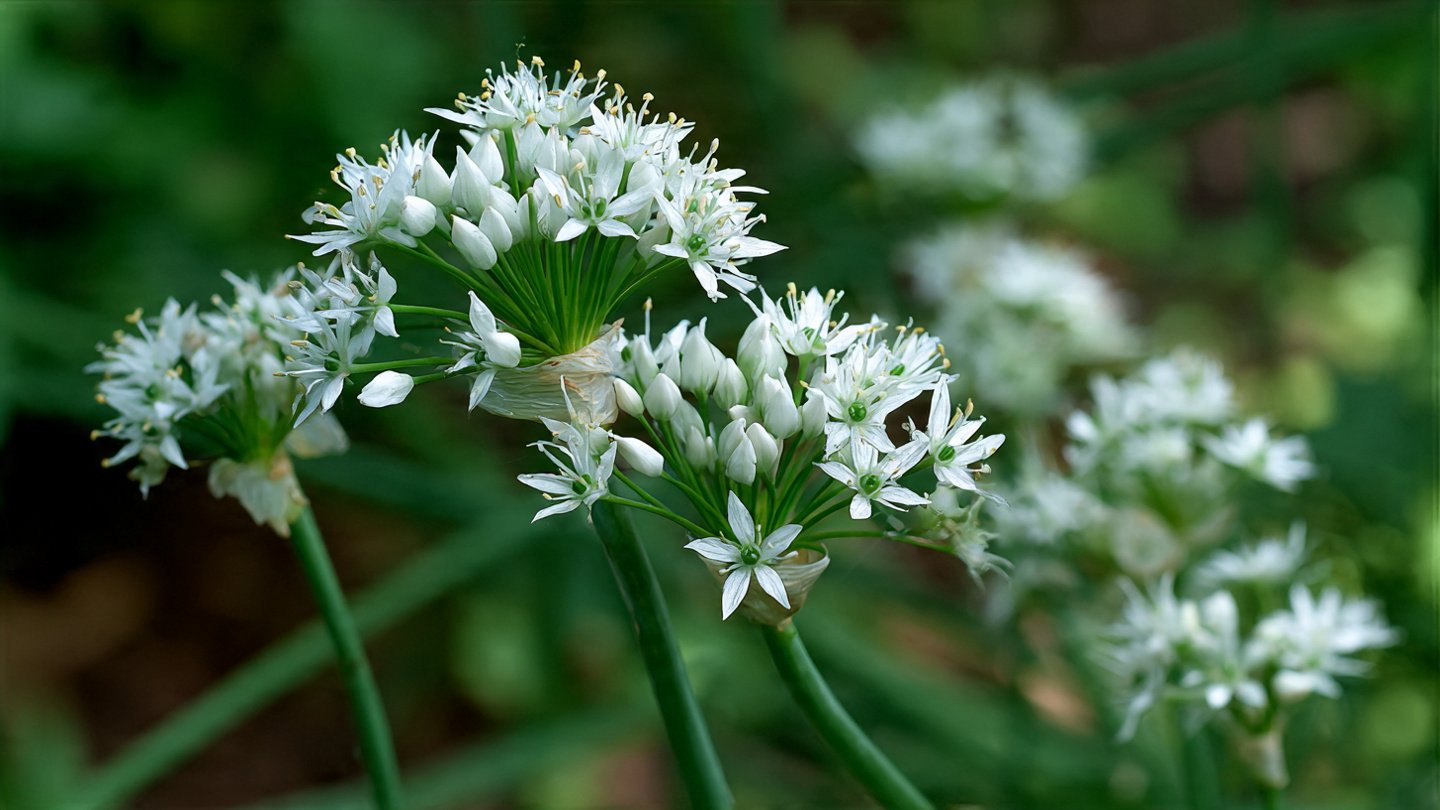
Garlic chives, also known as Chinese chives or Allium tuberosum, are a popular perennial herb known for their mild, garlic-like flavor. They are a favorite in culinary dishes, especially in Asian cuisine, where they add a subtle depth to various recipes. While garlic chives can be relatively easy to grow, many gardeners face challenges, particularly when it comes to managing flowering and maintaining the plant’s optimal culinary qualities. In this article, we’ll explore the process of growing garlic chives without flowering and share some simple hacks to ensure a bountiful harvest.
What Are Garlic Chives?
Garlic chives are a type of herbaceous perennial plant belonging to the onion family. They thrive in various growing conditions, including rich, well-draining soil and ample sunlight. The leaves of garlic chives are flat and long, resembling those of regular chives, but they possess a distinct garlic flavor that sets them apart. Unlike standard chives, garlic chives produce white, star-shaped flowers during their blooming season.
Latest Posts
- How to Use Invisible Wire for a Stunning Climbing Plant Wall
- Are Your Garden Tools Making Your Plants Sick?
- How to Style a Small Studio with Columnar Cacti
- Why Is My Zucchini Shaped Like a Lightbulb?
- How to Protect Your Fruit From Birds Without Nets
- How to Keep Squirrels Away from Your Fruit Trees
- How to Protect Your Fruit from Birds Without Nets
- Why Biochar Is a Game-Changer for Your Kitchen Garden
- Why Some Rare Cacti Bloom Only One Night a Year
- How to Grow Rare Blue Strawberries at Home
While flowering is part of their natural life cycle, many gardeners prefer to grow garlic chives for their foliage rather than their blooms. This preference is primarily due to the fact that the flowers can alter the taste of the leaves, making them less desirable for culinary use.
The Importance of Harvesting Before Flowering
Once garlic chives begin to flower, the energy of the plant is redirected towards producing blooms and seeds, which can significantly impact the foliage’s flavor and texture. This means that once flowering begins, the leaves may become tougher and develop a more pronounced bitterness. Therefore, if you’re growing garlic chives for culinary purposes, it’s crucial to manage their flowering.
Signs of Flowering
The first signs of flowering in garlic chives are typically visible in late spring to early summer. You may notice the formation of flower buds at the tips of the stems. As the buds develop, they will eventually open to reveal clusters of tiny white flowers.

Reasons to Prevent Flowering
-
Flavor Preservation: The leaves are at their best just before or during early flowering. Once the flowers open, the leaves can taste more pungent and less palatable.
-
Texture: Flowering can lead to a tougher texture in the leaves, making them less appealing in dishes.
-
Yield: By preventing flowering, you can encourage the plant to focus its energy on producing lush foliage rather than seeds, leading to a higher yield for culinary use.
Simple Hacks to Grow Garlic Chives Without Flowering
Now that we understand why preventing flowering is essential, let’s delve into some effective strategies to keep your garlic chives flourishing without blooming.
1. Regular Trimming
One of the easiest ways to prevent garlic chives from flowering is through regular trimming. When you notice flower buds forming, simply cut them away. This not only helps to redirect the plant’s energy back to the leaves but also encourages bushier growth.

- How to Trim: Use sharp scissors or garden shears to snip off the flower buds at their base. Trimming can be done periodically throughout the growing season as you observe new buds appearing.
2. Harvesting Regularly
Harvesting garlic chives regularly is another effective method for keeping flowers at bay. When you cut the leaves for culinary use, you also discourage the plant from diverting its energy to flower production.
- Harvesting Tips: Harvest the outer leaves, allowing the inner leaves to continue growing. This practice helps maintain the plant’s vitality and encourages a continuous supply of fresh foliage.
3. Optimal Growing Conditions
Providing the right growing conditions can also influence the likelihood of flowering. Garlic chives thrive in well-drained, nutrient-rich soil and appreciate full sun to partial shade. Ensure you plant them in an environment where they can grow happily.
-
Soil: A loamy soil mixed with compost is ideal for garlic chives. This blend provides the necessary nutrients while promoting excellent drainage.
-
Sunlight: Garlic chives prefer full sun (at least 6 hours of sunlight daily) but can also tolerate partial shade, especially in hotter climates.

4. Fertilization Management
Excessive fertilization can stimulate flowering in garlic chives. While they do require nutrients, particularly nitrogen, too much can result in the foliage growing too quickly, leading to flowering.
- Balanced Fertilization: Use a balanced fertilization approach. A diluted liquid fertilizer applied every four to six weeks during the growing season can help avoid heavy flowering while ensuring healthy growth.
5. Dividing the Plants
Garlic chives can become overcrowded over time, leading to increased competition for resources and potentially stimulating flowering. Dividing your plants every two to three years can promote vigorous growth and help mitigate flowering.
- How to Divide: In early spring or fall, carefully dig up the clumps of garlic chives and separate them into smaller sections, ensuring each section has roots and healthy foliage.
6. Choosing the Right Varieties
Some garlic chive varieties are more prone to flowering than others. Researching and selecting varieties known for their low flowering propensity can be beneficial.
- Recommended Varieties: Look for cultivars labeled as “non-flowering” or “bulb-forming,” which focus more on foliage than blooms.
7. Timing Your Planting
Timing your planting can also impact flowering. Planting garlic chives in the fall versus the spring can lead to different growth patterns. In many regions, fall planting often leads to more vigorous growth and a lower likelihood of flowering during the first summer.
- Fall Planting: If you live in a zone where winter temperatures are manageable, planting garlic chives in the fall can promote earlier growth and reduce premature flowering.
8. Mulching
Applying a layer of organic mulch around your garlic chives can help maintain soil moisture and temperature, reducing stress on the plants. Healthy, stress-free plants are less likely to flower.
- Mulch Application: Use straw, shredded leaves, or grass clippings as mulch. Apply a 2- to 3-inch layer around the plants, keeping the mulch away from the stems to prevent rot.
9. Pest and Disease Management
Insects and diseases can stress garlic chives, potentially leading to flowering. Keep a close eye on your plants for any signs of pests or disease.
- Prevention Tips: Regularly inspect your garlic chives for aphids or other pests. If found, consider using insecticidal soap or neem oil as a natural remedy.
10. Avoid Overwatering
Garlic chives prefer consistent moisture without being waterlogged. Overwatering can stress the plants, leading to flowering.
- Watering Guidelines: Water when the top inch of soil feels dry. Ensure pots have adequate drainage if you are growing them in containers.
Conclusion
Growing garlic chives without flowering is entirely manageable with the right strategies in place. By implementing regular trimming, harvesting, optimal growing conditions, and careful pest management, you can enjoy the vibrant flavors of garlic chives throughout the growing season. Incorporating these simple hacks will not only ensure a continuous supply of delicious foliage but will also keep your garden flourishing and healthy.
With a little care and attention, you can cultivate a thriving garlic chive garden that consistently adds flavor to your dishes without the interference of flowering. Whether you’re a seasoned gardener or a beginner, these hacks can help you make the most of your garlic chive harvest, showcasing the best this delightful herb has to offer. So roll up your sleeves, grab your shears, and get started in your garlic chive gardening adventure!