Introduction: Why Grow Potatoes at Home
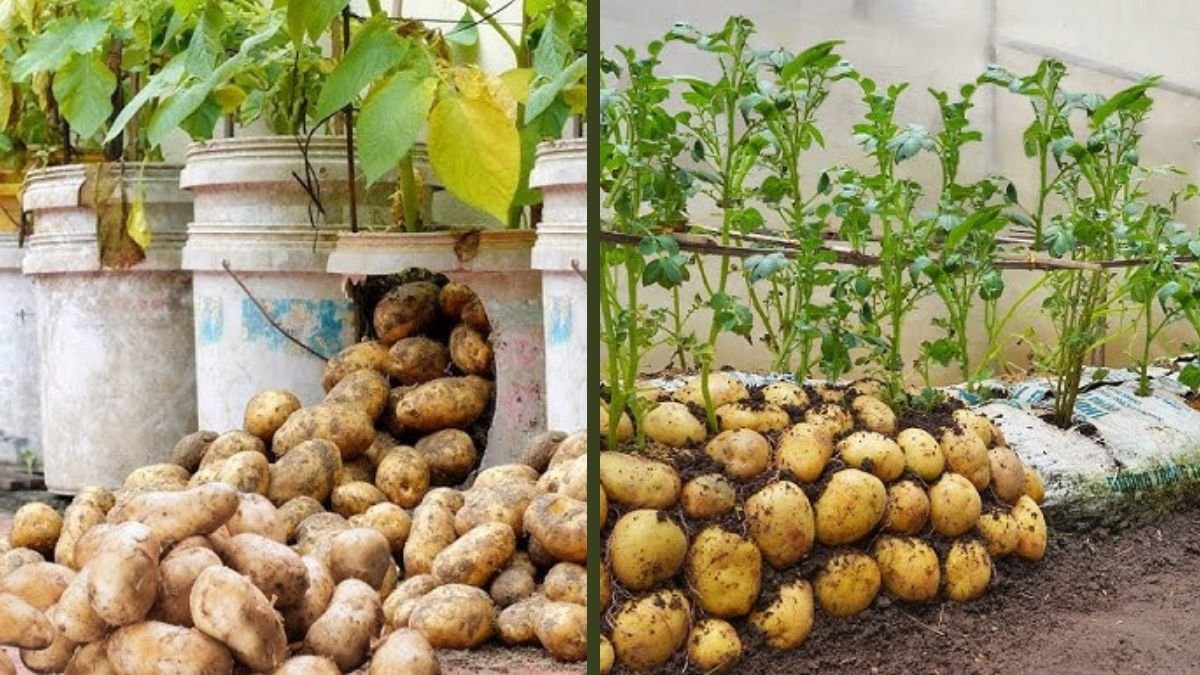
Potatoes are a staple vegetable loved worldwide for their versatility and taste. Homegrown potatoes are fresher, more nutritious, and free from chemicals. Many gardeners struggle to get high yields with multiple tubers from a single plant. With proper techniques, even beginners can achieve abundant harvests. This article provides step-by-step guidance on soil preparation, planting, watering, fertilization, and tuber multiplication. By following these tips, your backyard or terrace garden can yield more potatoes than ever.
Nutritional Benefits of Potatoes
Potatoes are rich in carbohydrates, dietary fiber, vitamin C, potassium, and antioxidants. They provide quick energy and support digestive health. Eating homegrown potatoes ensures no harmful pesticides are ingested. Potatoes also improve heart health, maintain blood pressure, and support immunity. Incorporating potatoes into meals makes them versatile for soups, curries, fries, and baked dishes. Growing them at home enhances nutrition and taste while promoting sustainable gardening.
Choosing the Right Potato Variety
Selecting the right variety is critical for high tuber production. Popular high-yielding varieties include Kufri Jyoti, Desiree, and Yukon Gold. Seed potatoes should be disease-free, firm, and sprouted. Avoid damaged, rotten, or old potatoes, as they may fail to sprout. Choose varieties suitable for your local climate and soil type. Proper seed selection increases germination rate, promotes multiple tuber growth, and ensures a consistent harvest.
Preparing the Soil
Potatoes thrive in well-drained, loamy, and fertile soil. Loosen soil to a depth of 12–15 inches for proper root and tuber expansion. Add compost, well-rotted manure, or organic fertilizers to boost nutrients. Maintain a slightly acidic to neutral pH of 5.5–7. Avoid heavy clay or waterlogged soil, as it causes rot. Raised beds or ridges improve drainage and aeration. Proper soil preparation ensures healthy plants with many tubers.

Cutting and Sprouting Seed Potatoes
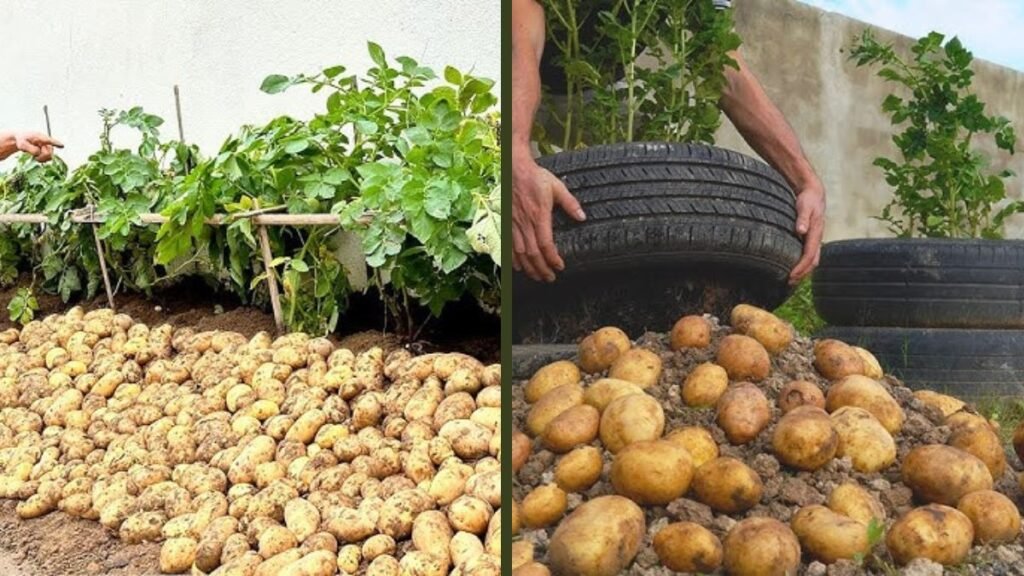
Seed potatoes should have visible “eyes” for sprouting. Cut large seed potatoes into pieces with 2–3 eyes each. Allow cut pieces to air-dry for 1–2 days to prevent rot. Pre-sprouting in a bright, ventilated area encourages faster growth. Sprouted seed potatoes develop strong roots and produce more tubers. Proper preparation at this stage lays the foundation for high-yield potato plants.
Latest Posts
- How to Use Invisible Wire for a Stunning Climbing Plant Wall
- Are Your Garden Tools Making Your Plants Sick?
- How to Style a Small Studio with Columnar Cacti
- Why Is My Zucchini Shaped Like a Lightbulb?
- How to Protect Your Fruit From Birds Without Nets
- How to Keep Squirrels Away from Your Fruit Trees
- How to Protect Your Fruit from Birds Without Nets
- Why Biochar Is a Game-Changer for Your Kitchen Garden
- Why Some Rare Cacti Bloom Only One Night a Year
- How to Grow Rare Blue Strawberries at Home
Planting Techniques
Plant seed potatoes in ridges or trenches, 4–6 inches deep. Space each piece 12–15 inches apart to allow tuber expansion. Cover with soil gently and water immediately. For terrace or container gardening, use deep, wide containers with drainage holes. Proper planting ensures strong vine development and maximum tuber formation. Maintaining adequate spacing is key to achieving multiple tubers per plant.
Watering and Irrigation Tips
Consistent moisture is essential for potato growth. Water deeply once or twice a week, more in dry climates. Avoid waterlogging, as it can cause rot and disease. Mulching helps retain soil moisture, regulate temperature, and reduce weeds. Early morning watering prevents fungal growth. Proper irrigation ensures healthy foliage, flowering, and tuber development.
Fertilization for Maximum Tuber Growth
Potatoes need balanced fertilization for high yields. Use nitrogen-rich fertilizers during early growth for foliage development. Switch to potassium and phosphorus-rich fertilizers during tuber formation. Organic options like compost tea or vermicompost enhance soil fertility. Avoid over-fertilizing, which may produce lush leaves but fewer tubers. Proper nutrition increases the number and size of tubers per plant.

Hilling: Encouraging More Tubers
Hilling involves piling soil around the potato plant as it grows. Begin when plants are 6–8 inches tall and repeat every 2–3 weeks. Hilling protects tubers from sunlight and encourages new tuber growth along buried stems. It also prevents disease and increases yield. Use loose, nutrient-rich soil for hilling. Correct hilling ensures multiple tubers per plant and healthier crops.
Sunlight Requirements
Potatoes require full sun for 6–8 hours daily. Adequate sunlight supports photosynthesis, foliage growth, and tuber development. Partial shade may reduce yield and tuber size. Position garden beds or containers to maximize sunlight exposure. Rotate beds periodically if needed for uniform growth. Full sunlight enhances plant vigor and high-yield potato production.
Flowering and Tuber Formation
Potatoes develop tubers after flowering begins. Monitor plants for flower growth, indicating active tuber formation underground. Ensure consistent watering and fertilization during this phase. Avoid cutting vines or excessive handling of soil near roots. Healthy flowering and proper care promote multiple, large tubers per plant. Observing growth patterns helps predict harvest timing.
Pest and Disease Management
Common pests include aphids, potato beetles, and wireworms. Use neem oil, organic sprays, or companion planting to control pests naturally. Avoid overhead watering to reduce fungal diseases like late blight. Remove diseased foliage promptly and rotate crops to prevent soil-borne pathogens. Pest-free plants ensure maximum tuber production and healthy harvest.

Harvesting Potatoes
Harvest when foliage turns yellow and starts to dry. Gently dig up tubers to avoid damage. Avoid harvesting too early, as small tubers may not store well. For storage potatoes, allow soil to dry and cure tubers for 2–3 days. Proper harvesting ensures maximum tuber number, size, and shelf life. Handle carefully to avoid bruising or cuts.
Storage and Preservation
Store harvested potatoes in cool, dark, and dry conditions. Avoid exposure to sunlight to prevent greening. Use breathable sacks or boxes with ventilation. Avoid storing near onions, as gases may reduce shelf life. Proper storage maintains potato quality for months. Homegrown potatoes retain flavor, nutrition, and texture longer than market varieties.
Common Mistakes to Avoid
Overwatering, insufficient hilling, poor fertilization, and planting in compact soil reduce yield. Using diseased seed potatoes or poor-quality soil can also hinder growth. Ignoring pest control affects tuber numbers. Avoiding these mistakes ensures high yield and multiple tubers per plant. Learning from common errors saves time and resources for future crops.
Tips for Continuous Production
Plant new seed potatoes every 2–3 weeks in succession for year-round supply. Rotate plots to maintain soil fertility and prevent disease. Regular care, hilling, and fertilization ensure continuous production. Succession planting maximizes backyard yield. Proper planning provides a steady supply of fresh potatoes for family consumption.

Comparison Table: High-Yield vs Normal Potato Planting
| Feature | High-Yield Techniques | Normal Planting |
|---|---|---|
| Tubers per Plant | Multiple (8–15) | 3–6 |
| Fertilization | Balanced NPK and organic | Minimal |
| Watering | Consistent, deep | Irregular |
| Hilling | Yes, repeated | Often skipped |
| Pest Management | Active, organic control | Minimal |
| Harvest Size | Large and uniform | Smaller, irregular |
Culinary Uses
Potatoes are versatile in cooking: boiled, fried, roasted, mashed, or baked. Homegrown potatoes are tastier than store-bought. Fresh potatoes enhance soups, stews, snacks, and side dishes. Using backyard potatoes ensures chemical-free meals. Nutritional benefits are retained when potatoes are freshly harvested.
Benefits of Growing at Home
Home cultivation saves money, ensures fresh produce, and avoids pesticides. Growing potatoes provides satisfaction and encourages sustainable gardening practices. Observing tubers grow from seed to harvest is educational for beginners. Homegrown crops promote healthier eating habits and food self-sufficiency. Gardening also strengthens connection with nature and family involvement.
Conclusion
Growing potatoes with multiple tubers is achievable using proper techniques. Choosing quality seeds, preparing soil, hilling, fertilizing, watering consistently, and managing pests lead to abundant harvests. Succession planting and proper storage ensure year-round supply. Backyard potato gardening is rewarding, cost-effective, and promotes nutrition. Start today and enjoy high-yield potato crops in your home garden.