Introduction to Homegrown Melons
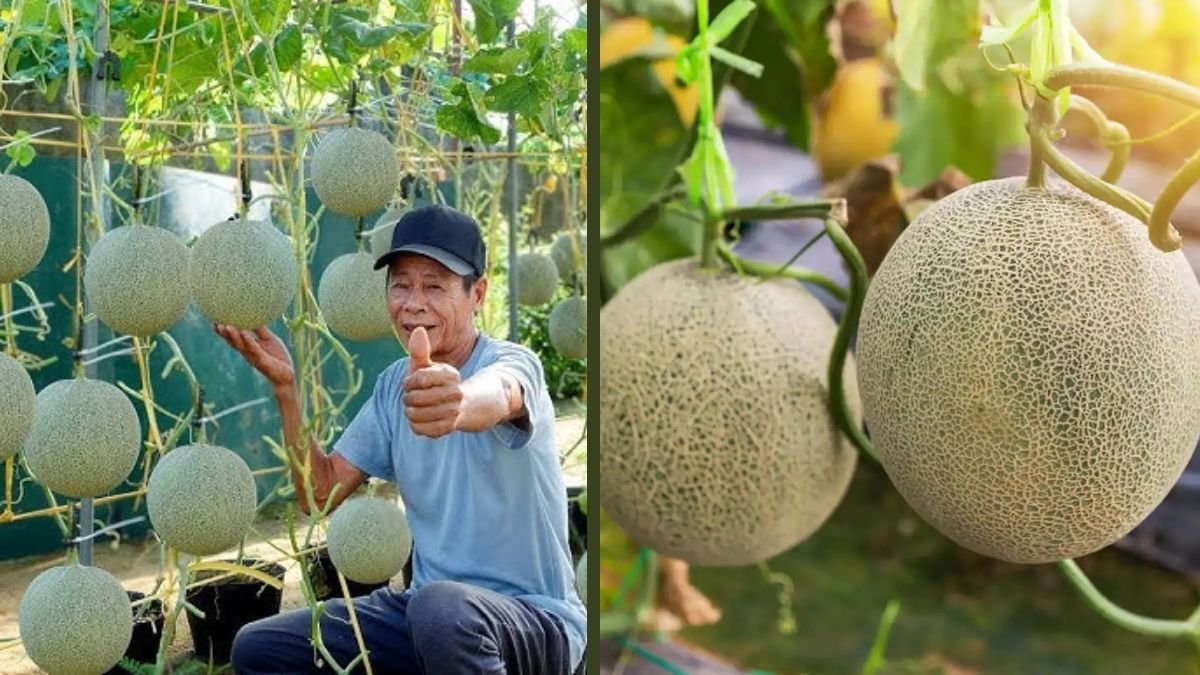
Melons are one of the most rewarding fruits to grow at home. Their sweet aroma and juicy taste make them irresistible. Many gardeners struggle to get high yields, but with proper techniques, melon plants can produce far more than expected. Growing melons at home allows you to control soil, water, and sunlight. Fresh, vine-ripened fruits are sweeter than store-bought varieties. Melons are climbing or sprawling plants and require some care to maximize output. This guide explains simple methods to grow melons successfully. Anyone can follow these steps and enjoy a bountiful harvest.
Why Homegrown Melons Are Superior
Homegrown melons taste fresher and are healthier than supermarket versions. Fruits ripen naturally on the vine, resulting in higher sugar content. You can control fertilizers and avoid harmful chemicals. Sunlight exposure improves flavor and aroma. Home cultivation allows selection of high-yielding varieties. Properly managed plants produce more flowers and fruits. The satisfaction of harvesting your own melons is unmatched. Fresh fruits can be enjoyed immediately after harvest.
Choosing the Right Melon Variety
Selecting the right variety is crucial for higher yields. Popular varieties include cantaloupe, muskmelon, and honeydew. Choose varieties suited to your climate. Hybrid varieties often flower earlier and resist diseases. Local varieties may be more adaptable to soil and temperature. Quality seeds ensure better germination rates. Choosing the right variety affects fruit size, sweetness, and quantity. Proper selection sets the foundation for success.
Preparing Seeds for Germination
Melon seeds benefit from pre-soaking before planting. Soak seeds in warm water for 12-24 hours. This softens the seed coat and encourages faster sprouting. Some gardeners use natural organic solutions to improve seed strength. Sow seeds in seedling trays with light, well-draining soil. Maintain warmth and moisture consistently. Healthy seedlings develop strong roots. Early care of seeds ensures better growth and higher fruit production.

Soil Preparation for High-Yield Melons
Melons thrive in loose, fertile, well-draining soil. Mix garden soil with compost and sand for optimal growth. Soil pH should be slightly acidic to neutral. Add organic matter to improve nutrient content. Avoid heavy clay soils that retain water. Fertile soil supports vigorous vine growth. Well-prepared soil allows plants to absorb nutrients efficiently. Soil quality directly impacts fruit quantity and sweetness.
Latest Posts
- How to Use Invisible Wire for a Stunning Climbing Plant Wall
- Are Your Garden Tools Making Your Plants Sick?
- How to Style a Small Studio with Columnar Cacti
- Why Is My Zucchini Shaped Like a Lightbulb?
- How to Protect Your Fruit From Birds Without Nets
- How to Keep Squirrels Away from Your Fruit Trees
- How to Protect Your Fruit from Birds Without Nets
- Why Biochar Is a Game-Changer for Your Kitchen Garden
- Why Some Rare Cacti Bloom Only One Night a Year
- How to Grow Rare Blue Strawberries at Home
Container vs. Ground Growing
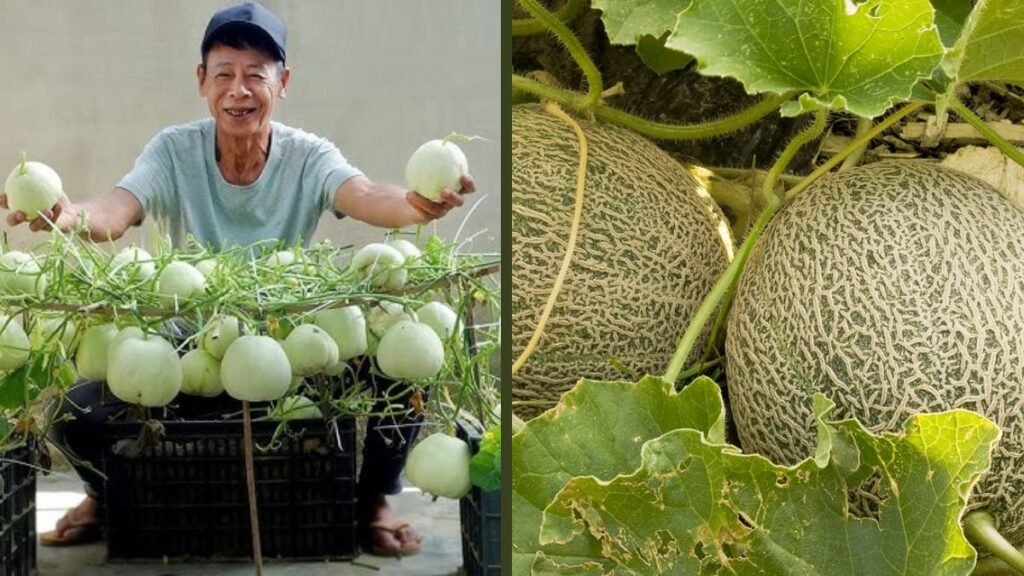
Melons can be grown in containers or directly in the ground. Ground planting allows sprawling vines and larger fruits. Containers save space for balconies or small gardens. Large grow bags or pots with good drainage are ideal. Container-grown plants may need extra nutrients. Both methods are suitable for high yields if cared for properly. Proper choice depends on available space and sunlight. Both methods can deliver abundant harvests.
Sunlight Requirements for Maximum Fruiting
Melons need full sunlight to develop sweetness and fragrance. Plants should receive 6-8 hours of direct sunlight daily. Morning sunlight strengthens vines and leaves. Insufficient light reduces flowering and fruit formation. Place containers in sunny locations. Monitor sunlight exposure for sprawling ground plants. Proper sunlight is critical for sugar accumulation. Well-lit plants produce bigger, juicier fruits.
Watering Techniques for Sweet Fruits
Consistent watering is essential during vine growth and fruit development. Water deeply to strengthen roots. Reduce watering slightly as fruits mature to enhance sweetness. Avoid waterlogging, which causes root rot. Morning watering is best. Mulching retains soil moisture and reduces evaporation. Balanced hydration ensures healthy flowers and fruits. Proper watering directly affects fruit quality and yield.

Fertilization Tips for More Fruits
Melons are heavy feeders and need regular nutrients. Use compost, organic fertilizers, and potassium-rich supplements. Avoid excess nitrogen after flowering, as it promotes foliage instead of fruiting. Feed every two weeks. Organic feeding improves soil health and fruit quality. Balanced nutrients support flower production and fruit development. Proper fertilization increases both the quantity and size of melons.
Pruning to Encourage Fruiting
Pruning helps direct energy toward fruit production. Remove weak or diseased vines. Pinch off early fruits if necessary to allow stronger ones to develop. Maintain a strong main stem. Pruned plants produce more lateral shoots and flowers. Proper pruning improves airflow and sunlight penetration. Healthy vines support multiple fruits simultaneously. Correct pruning techniques maximize yield potential.
Pollination for Higher Yield
Melon flowers consist of male and female flowers. Pollination is critical for fruit set. Encourage natural pollinators like bees. In areas with low pollination, hand pollination is effective. Avoid spraying chemicals during flowering. Proper pollination results in larger and more evenly developed fruits. Flower observation helps determine optimal pollination timing. Healthy pollination ensures higher fruit numbers.
Fruit Development Stages
Fruits develop in stages, from small shoots to mature melons. Monitor size and growth daily. Remove damaged or underdeveloped fruits early. Maintain proper vine spacing to avoid crowding. Healthy development results in bigger and sweeter fruits. Avoid bending or overloading vines. Proper monitoring ensures uniformity in fruit size and quality. Stage management improves overall yield.

Pest and Disease Management
Melons are prone to aphids, beetles, and fungal diseases. Inspect plants regularly for early signs of pests. Use neem oil or other organic treatments as needed. Remove infected leaves promptly. Maintain proper spacing for airflow to reduce fungal infections. Avoid excess moisture on leaves. Healthy plants naturally resist pests. Prevention is more effective than cure.
Melon Growth Overview (Table)
| Stage | Duration | Key Care |
|---|---|---|
| Germination | 7-10 days | Warmth & moisture |
| Vine Growth | 3-4 weeks | Sunlight & support |
| Flowering | 2 weeks | Pollination & nutrition |
| Fruiting | 3-4 weeks | Water & pruning |
Harvesting Techniques
Harvest melons when they reach the desired size and aroma. Fruits detach easily from the vine when fully ripe. Use sharp tools carefully to avoid damage. Morning harvest is preferred. Handle fruits gently to prevent bruising. Correct timing ensures peak sweetness. Frequent monitoring allows timely harvesting. Proper handling maintains quality and flavor.
Storing Homegrown Melons
Store harvested melons in a cool, dry area. Refrigerate after cutting. Use in desserts, smoothies, or fresh consumption. Homegrown melons retain more nutrients than commercial fruits. Proper storage preserves freshness and flavor. Avoid long-term exposure to sunlight. Enjoy fruits at peak ripeness. Fresh harvests maximize satisfaction.
Common Mistakes to Avoid
Overwatering reduces sweetness. Poor sunlight limits fruit development. Crowding plants causes disease. Ignoring pollination reduces fruit numbers. Excess nitrogen encourages foliage growth. Avoid these errors for better yield. Correct care ensures abundant harvest. Learning from mistakes improves success.
Benefits of Growing Melons at Home
Fresh, chemical-free fruits. High yields with proper care. Sweet, juicy, and aromatic. Cost-effective and satisfying. Ideal for small and large gardens. Encourages healthy eating. Improves home aesthetics. Homegrown melons are highly rewarding.
Why This Method Produces More Fruit
Combining proper soil, sunlight, watering, pruning, and pollination ensures high yield. Energy is directed toward fruiting rather than excess foliage. Plants remain healthy and productive. Results are consistent and repeatable. Even beginner gardeners can achieve more than expected. This simple approach maximizes output efficiently. Experience confirms its effectiveness.
Final Conclusion
With careful planning and attention to key growth factors, melons grown at home can yield far more fruits than expected. Following these steps ensures sweet, juicy, and aromatic melons. Even limited-space gardens can be highly productive. Patience and consistent care reward gardeners with abundant harvests. Start today and enjoy fresh melons straight from your garden.