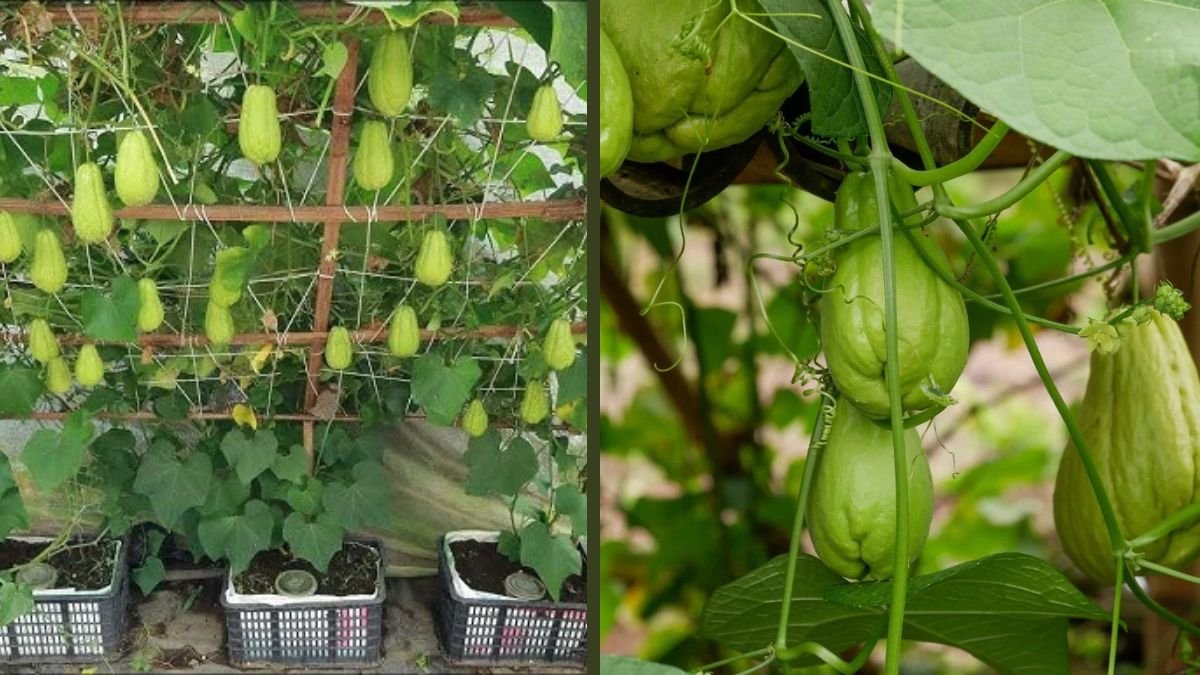
Introduction to Chayote Container Gardening
Chayote is a fast-growing climbing vegetable that usually spreads widely in open fields. Many people believe it cannot be grown in small spaces. However, growing chayote in pots is not only possible but highly productive. With the right container, soil, and support system, chayote thrives even on balconies and terraces. Container gardening helps urban gardeners save space. It also allows better control of soil and water. This guide explains every step in detail. Beginners can follow it easily and succeed.
Why Choose Pots for Growing Chayote
Pots allow vertical growth, which saves ground space. They make plant care more manageable and organized. Soil quality can be controlled easily in containers. Pests and diseases are easier to monitor. Pots can be moved to follow sunlight. Urban gardeners benefit from flexibility. Even renters can grow chayote. Container gardening makes chayote accessible to everyone.
Understanding the Chayote Plant Growth Habit
Chayote is a vigorous climber with long vines. It requires strong support for upward growth. The plant produces tendrils that cling naturally. Leaves are large and spread quickly. Fruits develop along the climbing vines. Proper vertical training improves yield. Understanding growth habit helps planning space. Controlled growth ensures better productivity.
Choosing the Right Pot Size
Large containers are essential for chayote. A pot of at least forty to fifty liters is recommended. Depth should be sufficient for root expansion. Strong containers prevent tipping over. Plastic, cement, or grow bags work well. Drainage holes are mandatory. Bigger pots result in healthier vines. Pot size directly affects fruit production.

Best Soil Mix for Potted Chayote
Chayote prefers loose, fertile, and well-drained soil. A mix of garden soil, compost, and cocopeat works best. Compost supplies nutrients for long-term growth. Cocopeat helps retain moisture. Sand or perlite improves drainage. Avoid heavy clay soil. Healthy soil supports root development. Balanced soil ensures vigorous vines.
Latest Posts
- How to Use Invisible Wire for a Stunning Climbing Plant Wall
- Are Your Garden Tools Making Your Plants Sick?
- How to Style a Small Studio with Columnar Cacti
- Why Is My Zucchini Shaped Like a Lightbulb?
- How to Protect Your Fruit From Birds Without Nets
- How to Keep Squirrels Away from Your Fruit Trees
- How to Protect Your Fruit from Birds Without Nets
- Why Biochar Is a Game-Changer for Your Kitchen Garden
- Why Some Rare Cacti Bloom Only One Night a Year
- How to Grow Rare Blue Strawberries at Home
Selecting Healthy Chayote Fruit for Planting
Chayote is grown from the whole fruit. Choose a mature, healthy, and disease-free chayote. Avoid damaged or shriveled fruits. The seed inside must be intact. Slight sprouting indicates readiness. Organic fruits perform better. Quality planting material ensures success. Proper selection reduces failure rate.
Planting Chayote in Pots
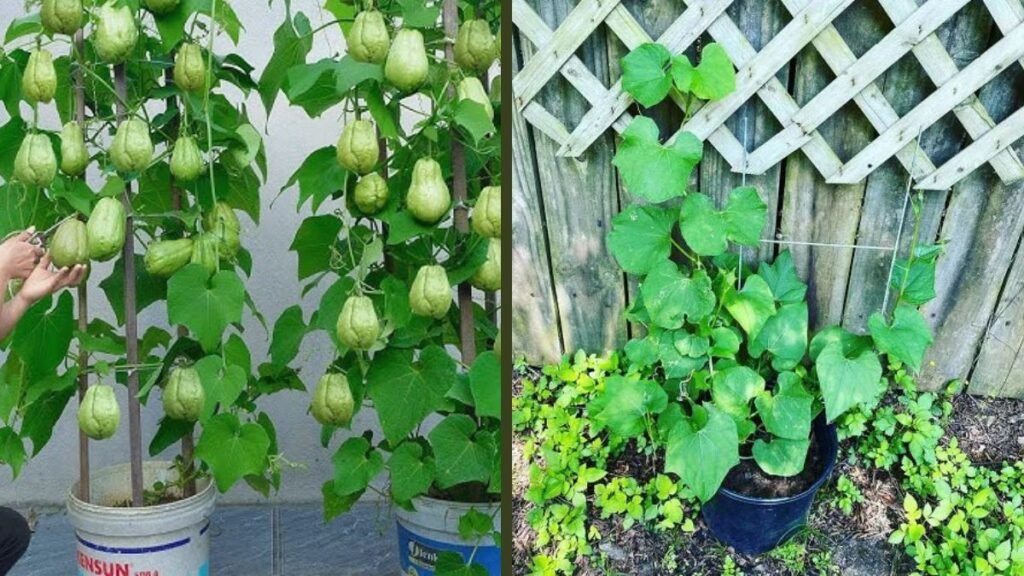
Place the chayote fruit sideways in soil. Cover partially, leaving the sprouting end exposed. Water lightly after planting. Avoid deep burial of the fruit. Place pot in a warm location. Germination occurs within two to three weeks. Gentle handling prevents damage. Correct planting ensures healthy sprouting.
Providing Support and Trellis System
Chayote needs strong vertical support. Bamboo poles, metal frames, or net trellises work well. Secure supports firmly in the pot. Guide vines upward regularly. Vertical growth saves space efficiently. Proper support prevents vine breakage. Good trellising improves air circulation. Strong structure increases yield.
Watering Requirements
Chayote needs consistent moisture. Water deeply but avoid waterlogging. Pots dry faster, so monitor regularly. Morning watering is ideal. Reduce watering during heavy rains. Mulching helps retain moisture. Balanced watering prevents stress. Proper hydration supports fruit development.
Sunlight Needs for Container Chayote
Chayote thrives in full sunlight. Minimum six hours of sunlight daily is required. Partial shade reduces yield. Place pots on terrace or sunny balcony. Rotate pot if sunlight is uneven. Sunlight encourages flowering and fruiting. Adequate light ensures healthy growth. Light management is crucial.
Fertilizing Chayote in Pots
Chayote is a heavy feeder. Apply compost every fifteen days. Use liquid organic fertilizers for faster absorption. Potassium supports fruit formation. Avoid excess nitrogen after flowering. Balanced feeding improves productivity. Container plants require regular nutrition. Proper fertilization ensures continuous growth.
Pruning and Vine Management
Pruning controls excessive growth. Remove weak or overcrowded vines. Focus energy on productive branches. Improve airflow and sunlight penetration. Regular trimming prevents tangling. Controlled vines are easier to manage. Pruning increases fruit size. Maintenance improves plant health.

Pest and Disease Control
Common pests include aphids and mites. Neem oil spray works effectively. Inspect leaves regularly. Remove infected parts immediately. Good airflow reduces fungal diseases. Healthy soil strengthens plant immunity. Early detection prevents major damage. Organic control methods are safest.
Flowering and Fruit Development
Male and female flowers appear separately. Pollination is usually natural outdoors. Hand pollination helps in enclosed spaces. Fruits develop rapidly after pollination. Proper nutrition supports flowering. Stress-free plants produce more fruits. Healthy vines ensure continuous fruiting. Observation improves yield.
Harvesting Chayote from Pots
Harvest fruits when tender and light green. Avoid letting fruits overmature. Regular harvesting encourages more production. Use clean tools to avoid damage. Handle gently to prevent bruising. Fresh chayote tastes best. Container-grown fruits are high quality. Timely harvest maximizes yield.
Comparison: Ground vs Pot-Grown Chayote
Table written in words

Row headings: Aspect, Ground Growing, Pot Growing
Space usage – High versus Space-saving
Control – Limited versus High
Mobility – Fixed versus Portable
Urban suitability – Low versus High
Common Mistakes to Avoid
Using small pots limits growth. Poor support causes vine damage. Overwatering leads to root rot. Ignoring pruning causes overcrowding. Low sunlight reduces yield. Skipping fertilization weakens plants. Avoiding mistakes ensures success. Awareness improves productivity.
Long-Term Care and Maintenance
Add compost regularly. Replace topsoil annually. Check trellis stability. Monitor pests continuously. Adjust watering seasonally. Maintain sunlight exposure. Healthy care extends plant life. Consistency is key.

Why Pot-Grown Chayote Is Worth It
It saves space effectively. Produces fresh vegetables at home. Suitable for urban lifestyles. Easy to manage and control. Encourages sustainable living. Reduces grocery dependence. Improves gardening confidence. Highly rewarding experience.
Conclusion
Growing chayote in pots is a smart solution for space-limited gardeners. With the right container, soil, and support, the plant grows vigorously. Vertical growth maximizes productivity. Regular care ensures healthy vines and continuous harvest. Urban gardeners can enjoy fresh chayote easily. This method proves that space is not a limitation for growing food.