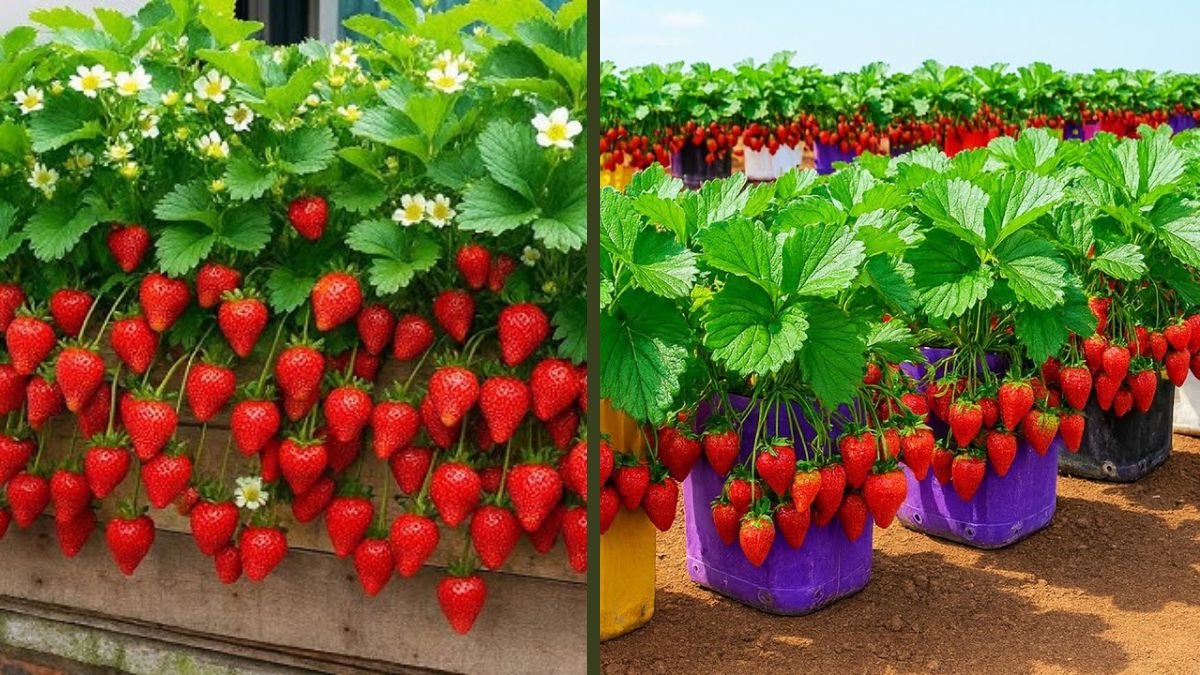
Introduction: Reimagining Plastic Waste as Strawberry Fences
Plastic bottle waste is a huge environmental challenge, but it can become a gardener’s treasure. Using plastic bottles to build fences for strawberries combines recycling, creativity, and practicality. Strawberry fences protect plants from animals, enhance yield, and optimize vertical space. They are lightweight, durable, and inexpensive. This method reduces dependency on expensive fencing materials. Urban and rural gardeners alike can implement this DIY idea. With careful planning and proper execution, plastic bottle strawberry fences are visually appealing and highly functional.
Why Strawberry Fencing Is Important
Strawberries are delicate, low-lying plants that are prone to pests and ground rot. Fencing helps in keeping rabbits, birds, and other small animals away. It also prevents accidental damage during watering or harvesting. A well-constructed fence improves airflow, reducing fungal infections. Fencing allows better sunlight exposure. Vertical support prevents fruit from touching soil. Strawberries grow cleaner and healthier. Protecting plants ensures higher quality fruit for personal or commercial use.
Benefits of Using Plastic Bottles
Plastic bottles are widely available and free. They are lightweight and easy to handle. They can be cut, shaped, and arranged as per requirement. Bottles resist rain and sun, making them durable outdoors. They provide a low-cost solution for fencing. Recycling reduces environmental pollution. Plastic bottles can be decorated for aesthetic appeal. They can be reused multiple times. This approach is both sustainable and practical.
Selecting the Right Plastic Bottles
Choose bottles of similar size for uniformity. Two-liter soda bottles or one-liter water bottles are ideal. Ensure bottles are clean and free of residues. Avoid brittle or cracked bottles. Bottles should be sturdy enough to withstand wind. Transparent or colored bottles both work. Screw caps should be kept to reduce insect infestation. Proper bottle selection ensures long-lasting fence structure.

Preparing Bottles for Fencing
Cut the bottom or side of each bottle to create openings for strawberry runners. Drill small drainage holes if needed. Remove labels for a clean look. Smooth sharp edges using sandpaper. If creating vertical planters, make larger openings on the front. Keep caps loosely to allow airflow. Proper preparation ensures plants grow unhindered.
Latest Posts
- How to Use Invisible Wire for a Stunning Climbing Plant Wall
- Are Your Garden Tools Making Your Plants Sick?
- How to Style a Small Studio with Columnar Cacti
- Why Is My Zucchini Shaped Like a Lightbulb?
- How to Protect Your Fruit From Birds Without Nets
- How to Keep Squirrels Away from Your Fruit Trees
- How to Protect Your Fruit from Birds Without Nets
- Why Biochar Is a Game-Changer for Your Kitchen Garden
- Why Some Rare Cacti Bloom Only One Night a Year
- How to Grow Rare Blue Strawberries at Home
Designing the Strawberry Fence
Decide on fence height and length. Wooden stakes, bamboo poles, or metal rods can be used as support. Arrange bottles horizontally or vertically. Ensure sufficient spacing between bottles for airflow. Fence can be freestanding or attached to walls. Plan for maintenance access. Aesthetic placement enhances garden look. Good design ensures both function and visual appeal.
Installing the Fence Structure
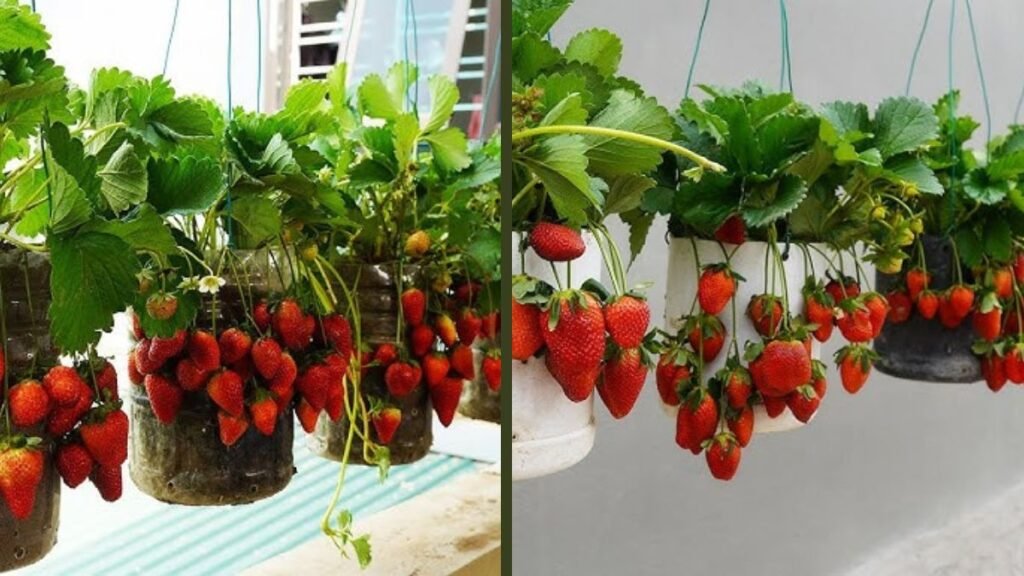
Fix support poles firmly in the soil. Attach bottles using wires, ropes, or zip ties. Ensure bottles remain stable in wind. If using vertical arrangement, stack bottles securely. Horizontal layouts need additional support to prevent sagging. Check alignment for uniformity. Adjust height for easy harvesting. Correct installation ensures long-term durability.
Planting Strawberries in Bottles
Fill bottles with a light soil mix rich in organic compost. Position strawberry seedlings or runners in the openings. Ensure roots have enough space. Water lightly after planting. Fertilize moderately with organic nutrients. Maintain proper spacing to avoid crowding. Proper planting ensures strong root establishment.

Watering and Moisture Management
Plastic bottles tend to retain some heat. Water early morning or late afternoon to prevent evaporation. Use drip irrigation or bottle watering system. Ensure drainage holes prevent waterlogging. Consistent moisture encourages runners and fruiting. Avoid overwatering. Proper watering maximizes strawberry growth.
Fertilization Techniques
Use compost or well-decomposed manure. Liquid fertilizers can be added to water. Avoid chemical fertilizers initially. Feed plants every two weeks. Micronutrients enhance fruit size and taste. Fertilizer application should be even. Avoid excess nitrogen to prevent leafy growth over fruits. Balanced nutrition promotes abundant harvest.
Pest and Disease Management
Strawberries are prone to aphids, mites, and fungal infections. Regular inspection is important. Neem oil or garlic spray controls pests naturally. Remove infected leaves immediately. Ensure bottles are well-ventilated. Avoid overwatering to reduce fungal growth. Encourage beneficial insects. Organic management ensures healthy fruits.
Pruning and Runner Management
Prune excess runners to focus energy on main plants. Pinch off damaged or yellow leaves. Regular pruning improves airflow. Helps in disease prevention. Encourages bigger fruit development. Maintain uniform plant height. Proper pruning increases overall yield.

Seasonal Considerations
Strawberries prefer moderate temperatures. Plastic bottles may heat up in direct sun. Provide shade during peak summer. Winter fencing can protect plants from frost. Adjust watering according to season. Seasonal adaptation ensures consistent growth.
Benefits for Urban and Balcony Gardening
Plastic bottle fences are lightweight. Suitable for balconies and small terraces. Requires minimal space. Easy to maintain and harvest. Cost-effective and environmentally friendly. Perfect for urban gardening enthusiasts. Encourages sustainable practices. Provides fresh strawberries at home.
Cost-Effective Advantages
Plastic bottles are free or low cost. Minimal additional materials required. Reduces investment in fencing. Long-lasting and reusable structure. Organic fertilizer use is economical. DIY project reduces labor cost. Effective alternative to commercial garden systems. Affordable for all gardeners.
Comparison Table: Plastic Bottle Fence vs Traditional Fence
| Feature | Traditional Fence | Plastic Bottle Fence |
|---|---|---|
| Cost | High | Low |
| Environmental Impact | Moderate | Positive |
| Maintenance | Moderate | Easy |
| Pest Protection | High | Moderate to High |
| Aesthetic Appeal | Moderate | Customizable |
| Space Requirement | Moderate | Small / Vertical |
| Durability | High | Moderate |
| DIY Friendly | Low | High |
Harvesting Strawberries
Fruits ripen in 4-6 weeks depending on variety. Pick when fully red. Handle gently to avoid bruising. Regular harvesting encourages continuous fruiting. Store in cool, dry place. Proper harvest improves shelf life. Clean hands and tools prevent contamination. Enjoy fresh, chemical-free strawberries.
Long-Term Maintenance
Check bottle stability regularly. Replace or repair broken bottles. Add soil as needed. Rotate crops annually to avoid soil depletion. Maintain clean environment around fence. Minimal maintenance ensures continuous productivity. Long-lasting fencing reduces yearly cost.
Conclusion
Plastic bottle strawberry fences are cost-effective, eco-friendly, and practical. They protect plants, save space, and recycle waste creatively. Suitable for urban or rural gardeners. Easy installation and maintenance. Promotes sustainable gardening practices. Fresh, healthy strawberries are within easy reach. Start building your DIY strawberry fence today!