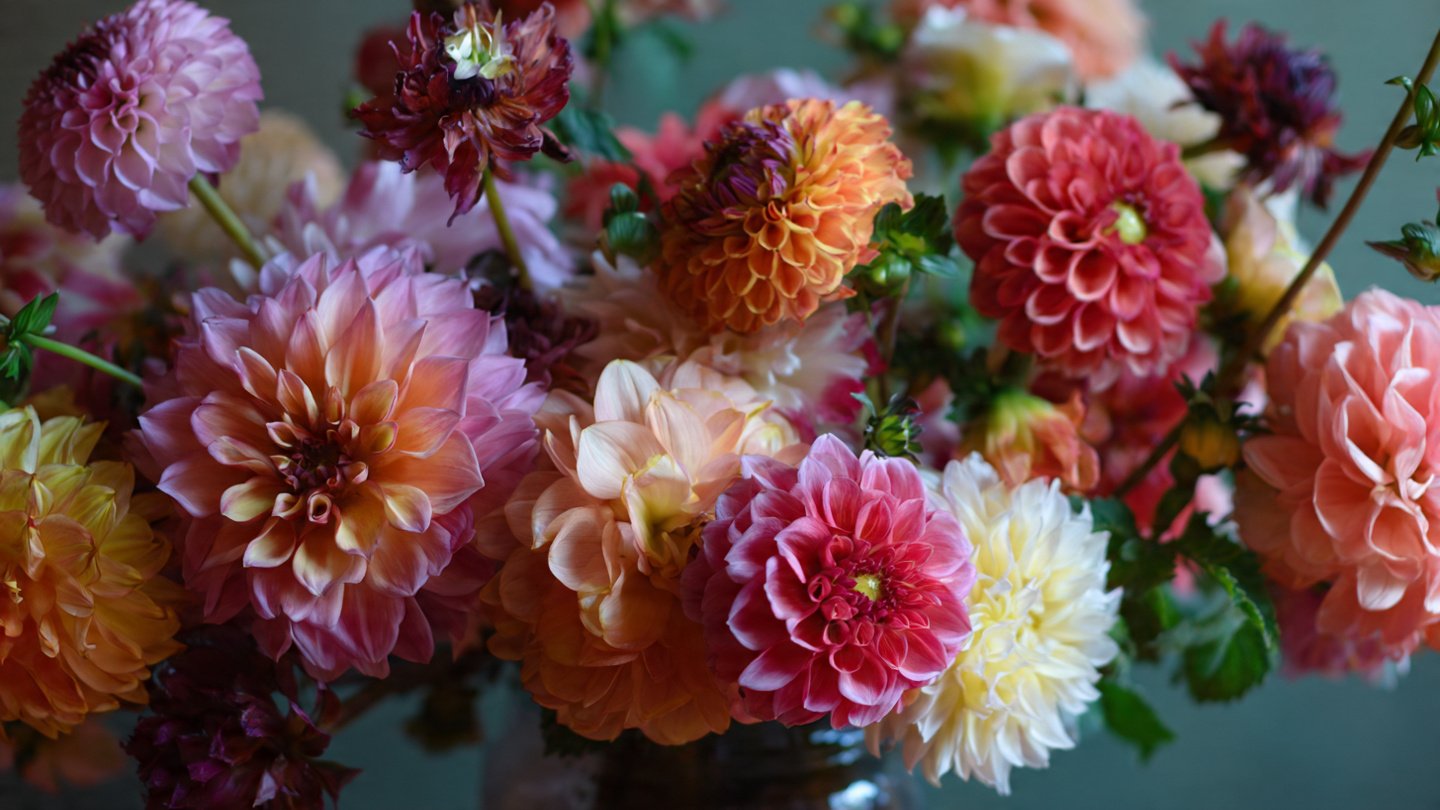
Cut flowers bring beauty and fragrance into our homes, but their lifespan is often disappointingly short. Luckily, there are many strategies you can use to prolong the life of your cut flowers for an impressive two weeks or even longer. This guide will delve into effective techniques, including preparation, care routines, and environmental factors that can help you achieve this goal.
Understanding Flower Basics
Before diving into tips, it’s essential to understand what cut flowers need to thrive. Flowers, like all plants, require water, nutrients, and an optimal environment to flourish. When cut from their roots, they lose their direct supply of nourishment, but with proper care, you can mimic some of the conditions they need to stay fresh.
Latest Posts
- How to Use Invisible Wire for a Stunning Climbing Plant Wall
- Are Your Garden Tools Making Your Plants Sick?
- How to Style a Small Studio with Columnar Cacti
- Why Is My Zucchini Shaped Like a Lightbulb?
- How to Protect Your Fruit From Birds Without Nets
- How to Keep Squirrels Away from Your Fruit Trees
- How to Protect Your Fruit from Birds Without Nets
- Why Biochar Is a Game-Changer for Your Kitchen Garden
- Why Some Rare Cacti Bloom Only One Night a Year
- How to Grow Rare Blue Strawberries at Home
Preparation Before Arranging
The journey to extending the life of cut flowers begins before they even enter your vase. Here are some crucial steps to take:
- Choose Fresh Flowers: Always select the freshest blooms available. Look for flowers with strong stems, vibrant colors, and few open blossoms.
- Trim the Stems: Before placing them in water, trim at least an inch off the stems at a 45-degree angle. This angle increases the surface area for water absorption. Use sharp scissors or a knife to avoid crushing the stems.
- Remove Leaves: Eliminate any leaves that would be submerged in water. This helps reduce bacterial growth and ensures your flowers receive optimal hydration.

Water Quality and Temperature
Water plays a crucial role in maintaining flower health. Here’s how to ensure your flowers receive the best hydration:
- Use Clean Water: Always start with clean, lukewarm water. Tap water is often suitable, but if you have hard water with high mineral content, consider using distilled water.
- Change Water Regularly: Change the water every two to three days. This practice prevents bacteria from forming and keeps your flowers hydrated.
- Add Flower Food: Many stores provide flower food packets with purchases. This food contains essential nutrients and prevents bacterial growth. Mix it into the water as directed for optimal results.
Optimal Environment
The environment in which cut flowers are placed significantly affects their lifespan. Consider the following factors:

- Temperature Control: Keep your flowers in a cool location away from direct sunlight, heating vents, or drafts. Ideal temperatures are generally between 65°F and 72°F (18°C to 22°C).
- Humidity Levels: Cut flowers last longer in humid conditions. If your environment is dry, consider misting the flowers lightly with water every day.
- Avoid Ethylene Gas: Many fruits, especially bananas, produce ethylene gas, which can hasten the wilting of flowers. Keep your arrangements away from fruit bowls.
Regular Maintenance
Regular maintenance will further ensure the longevity of your cut flowers. Here are some practical tips to incorporate into your routine:
- Re-trim Stems: Every few days, re-trim the stems to maintain a clean-cut surface for better water absorption. Again, trim at an angle for optimal results.
- Refresh Water: Replace the water during your trim sessions. Always add fresh flower food to the water after changing it.
- Remove Wilting Flowers: As flowers begin to wilt, promptly remove them from the arrangement. This prevents decaying plant matter from contaminating the water and affecting the remaining flowers.

Creative Additions
Some additional items can enhance the life of your cut flowers:
- Substitutes for Flower Food: If you don’t have flower food, you can mix a solution of sugar (1 tablespoon), bleach (1 teaspoon), and lemon juice (2 tablespoons) in water. This combination provides nourishment and inhibits bacteria.
- Flower Preservatives: There are commercial products available that are designed specifically to preserve cut flowers and extend their longevity.
- Aspirin: Some people swear by adding a crushed aspirin to the water, believing it to help keep flowers fresh longer.
Conclusion
Extending the life of cut flowers for two weeks may seem challenging, but with proper preparation, care, and a mindful environment, you can greatly enhance their longevity. Taking the time to understand their needs and regularly maintaining their environment can allow you to enjoy their beauty and fragrance for as long as possible.
FAQs
1. How often should I change the water for my cut flowers?
You should change the water every two to three days to prevent bacterial growth and ensure your flowers stay hydrated.
2. Can I use any type of water for my cut flowers?
While tap water is generally fine, distilled water may be better if you have hard water with high mineral content. Always use clean water for the best results.
3. What temperature is best for cut flowers?
Cut flowers thrive in a cool environment, ideally between 65°F and 72°F (18°C to 22°C). Avoid direct sunlight and heat sources.
4. Is flower food necessary for cut flowers?

While not strictly necessary, flower food contains nutrients that greatly benefit cut flowers and help prevent bacterial growth. It’s highly recommended for the best results.
5. What should I do if some flowers start to wilt quickly?
Remove any wilted flowers promptly to prevent them from affecting the overall arrangement and water conditions. Re-trim the stems of the remaining flowers and change the water.