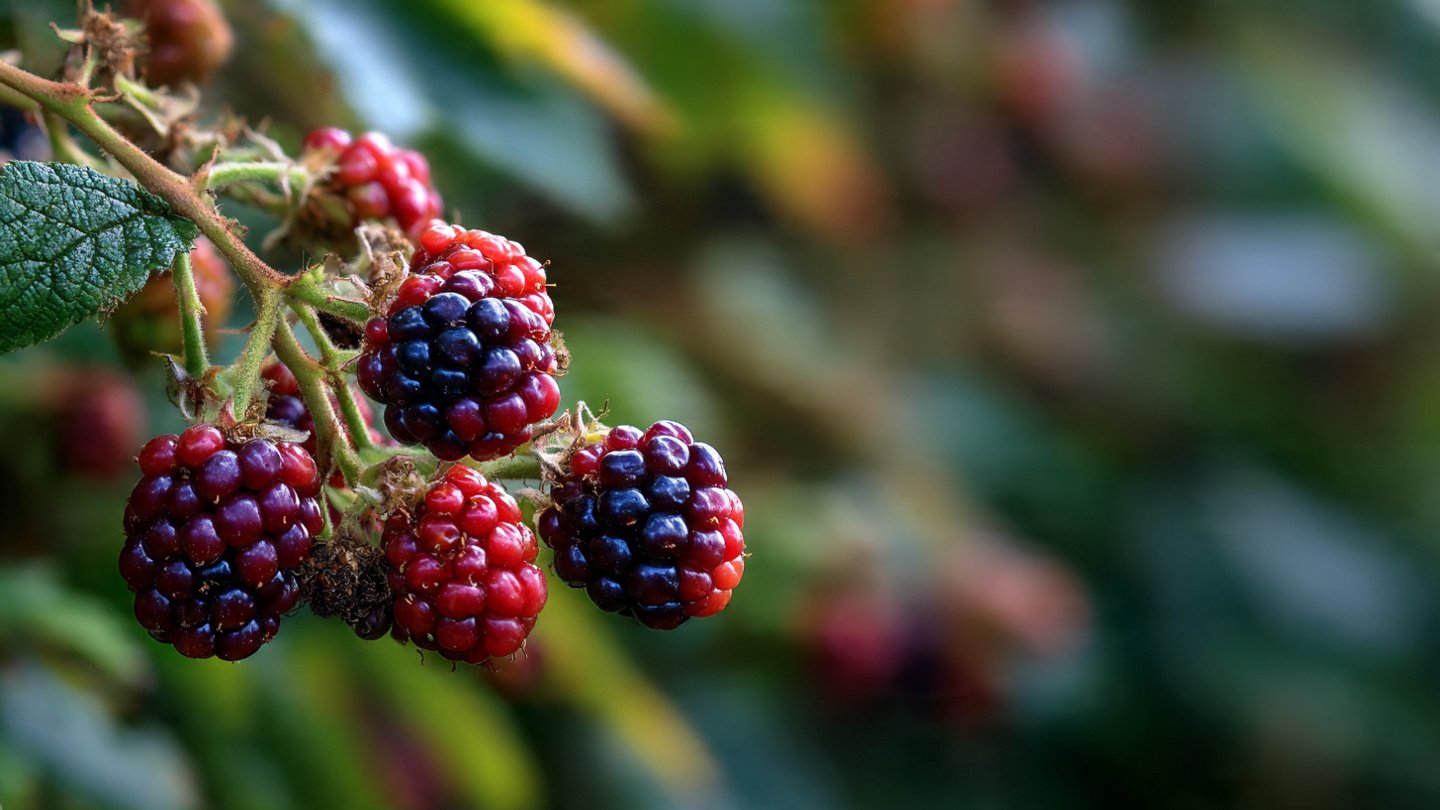
Blackberries are a delicious, nutritious fruit enjoyed by many, but their thorny canes can make harvesting a painful chore. Fortunately, there are thornless varieties of blackberries that make cultivation both enjoyable and productive. This article will guide you through the process of cultivating thornless blackberries, from choosing the right variety to planting, growing, and maintaining them.
Understanding Thornless Blackberries
Thornless blackberries are cultivars developed to reduce the discomfort of harvesting and caring for blackberry plants. These varieties lack the painful thorns found in traditional blackberries, making them more accessible and easier to manage. Popular thornless varieties include:
Latest Posts
- How to Use Invisible Wire for a Stunning Climbing Plant Wall
- Are Your Garden Tools Making Your Plants Sick?
- How to Style a Small Studio with Columnar Cacti
- Why Is My Zucchini Shaped Like a Lightbulb?
- How to Protect Your Fruit From Birds Without Nets
- How to Keep Squirrels Away from Your Fruit Trees
- How to Protect Your Fruit from Birds Without Nets
- Why Biochar Is a Game-Changer for Your Kitchen Garden
- Why Some Rare Cacti Bloom Only One Night a Year
- How to Grow Rare Blue Strawberries at Home
- Navaho
- Arapaho
- Tayberry (a hybrid of blackberry and raspberry)
Choosing a thornless blackberry variety is the first step in successful cultivation. Evaluate each type for factors such as flavor, size, and growth conditions before making a selection.
Preparing for Planting
Once you’ve selected your thornless blackberry variety, it’s time to prepare your garden for planting. Here are important aspects to consider:

Site Selection
Blackberries thrive in full sun and require at least 6-8 hours of sunlight daily. Choose a location with good air circulation and well-drained soil to prevent root rot.
Soil Preparation
Thornless blackberries prefer slightly acidic to neutral soil (pH 6.0 to 6.8). Conduct a soil test to determine your garden’s pH levels and amend it as needed. A mixture of organic compost and well-rotted manure can enhance soil fertility and structure.
Planting Thornless Blackberries
Timing is crucial when planting blackberries. The best time is in early spring once the risk of frost has passed. Follow these steps for planting:
Spacing
Ensure adequate spacing between the plants to promote airflow and reduce disease risks. Space individual plants 3-4 feet apart in rows that are 6-8 feet apart.
Planting Technique
- Dig a hole wide enough to accommodate the root system.
- Place the plant in the hole, ensuring the crown (where the roots meet the stem) is level with the soil surface.
- Fill the hole with soil, packing it firmly to eliminate air pockets.
- Water thoroughly after planting.
Growing and Caring for Thornless Blackberries
After planting, your thornless blackberries will require regular care to ensure a fruitful harvest.
Watering
Blackberries need consistent moisture, especially during fruiting. Water them deeply once a week, adjusting frequency based on rainfall and temperature.
Fertilization
Use a balanced fertilizer in early spring as new growth begins. Follow the manufacturer’s instructions for application rates and frequency.
Pruning
Pruning thornless blackberries is essential for promoting healthy growth and maximizing fruit production. Prune in late winter or early spring, focusing on the following:

- Remove dead or damaged canes.
- Thin out crowded canes to allow for better air circulation.
- Cut back last year’s fruiting canes to ground level after harvesting.
Pest and Disease Management
Keeping your thornless blackberries healthy involves being vigilant about pests and diseases. Common issues include:
- Spider mites: Check for fine webbing on leaves. Spray with insecticidal soap if found.
- Powdery mildew: Ensure good airflow and avoid overhead watering. Treat with fungicides if necessary.
- Japanese beetles: Handpick or use traps to control their population.
Regularly inspecting your plants helps catch problems early and minimizes damage.
Harvesting Thornless Blackberries
Your thornless blackberries will typically begin producing fruit in their second year. When harvesting:
- Pick the berries when they are fully dark in color and slightly soft to the touch.
- Gently twist the berry to remove it from the stem without damaging the plant.
Harvesting in the early morning or late evening can help maintain berry quality. Enjoy your delicious fruit fresh or use it in various recipes!
Conclusion
Cultivating thornless blackberries can provide a delicious, pain-free gardening experience. With the right variety, proper site preparation, regular care, and vigilance against pests and diseases, you can enjoy a bountiful harvest. Whether you’re a seasoned gardener or a beginner, thornless blackberries are a fantastic addition to any garden.
FAQs
1. Are thornless blackberries as flavorful as traditional blackberries?
Yes, many thornless varieties offer excellent flavor and sweetness comparable to traditional blackberries.
2. How often do thornless blackberries need to be watered?
Water them deeply once a week, more often in hot, dry weather.
3. Can I grow thornless blackberries in containers?
Yes, thornless blackberries can be successfully grown in large containers with proper drainage and support structures.
4. Do thornless blackberries require a trellis?
While not always necessary, a trellis can help support the canes, making them easier to manage and harvest.
5. What is the best time to prune thornless blackberries?
Pruning should be done in late winter or early spring before new growth starts.