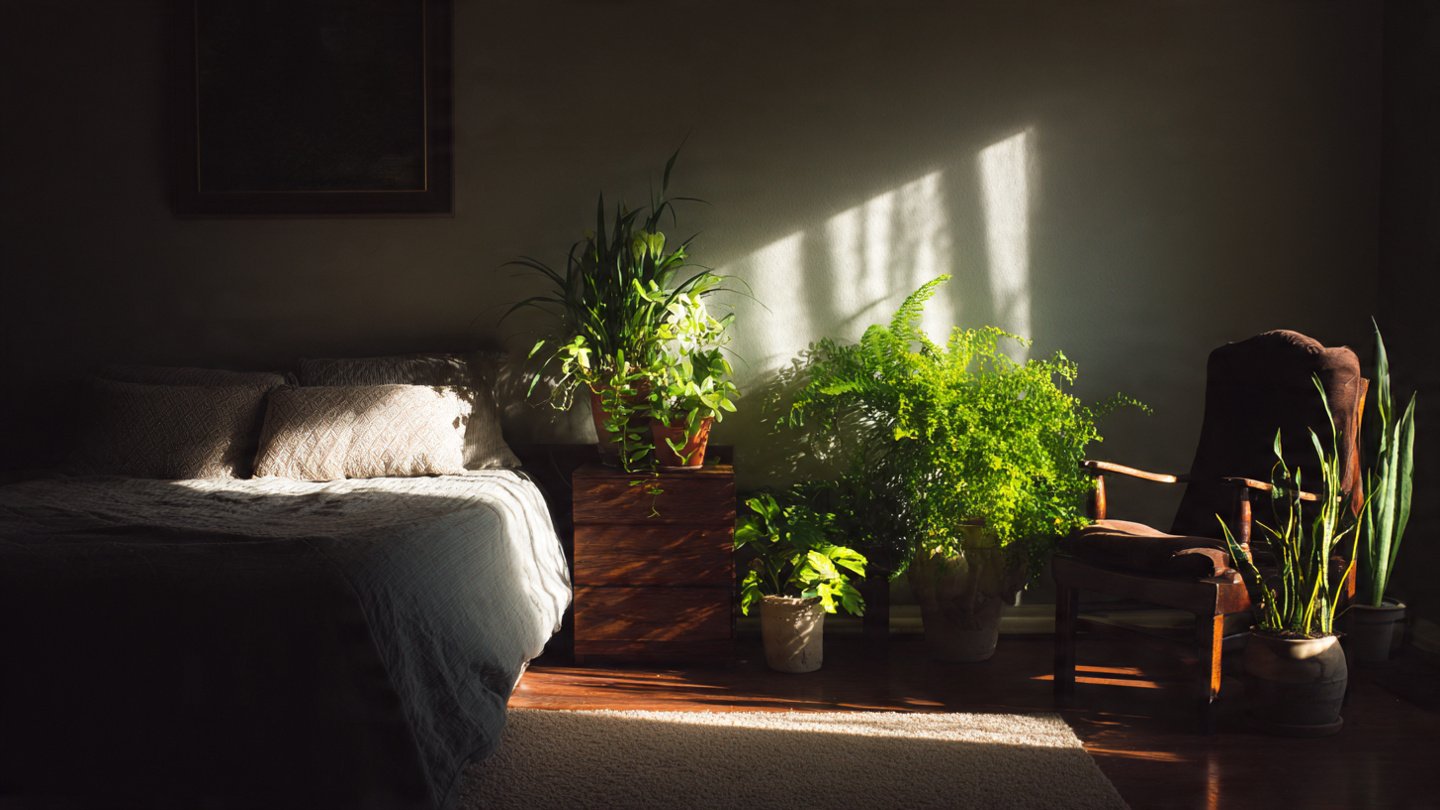
Creating a green oasis in your bedroom can greatly enhance your living space and improve your well-being. However, not all bedrooms are blessed with ample natural light. If your room lacks direct sunlight, you may wonder which plants can still thrive under such conditions. Fortunately, several houseplants are perfectly suited for low-light environments, making them ideal for dark bedrooms.
Benefits of Having Indoor Plants
Latest Posts
- How to Use Invisible Wire for a Stunning Climbing Plant Wall
- Are Your Garden Tools Making Your Plants Sick?
- How to Style a Small Studio with Columnar Cacti
- Why Is My Zucchini Shaped Like a Lightbulb?
- How to Protect Your Fruit From Birds Without Nets
- How to Keep Squirrels Away from Your Fruit Trees
- How to Protect Your Fruit from Birds Without Nets
- Why Biochar Is a Game-Changer for Your Kitchen Garden
- Why Some Rare Cacti Bloom Only One Night a Year
- How to Grow Rare Blue Strawberries at Home
Indoor plants offer numerous benefits that can enhance your living environment:
- Improved Air Quality: Plants like snake plants and peace lilies can filter toxins from the air, improving overall air quality.
- Enhanced Mood: Being around greenery can uplift your mood and reduce feelings of stress and anxiety.
- Increased Humidity: Plants release moisture into the air, helping to combat dryness—especially beneficial in winter months.
- Increased Aesthetics: Houseplants add a refreshing touch to any room, making it more inviting and lively.
Top Plants for Dark Bedrooms

Below are the top plants that thrive in low-light conditions, making them ideal for a dark bedroom:
1. Snake Plant (Sansevieria trifasciata)
This hardy succulent is known for its unique upright leaves and fascinating patterns. Snake plants are incredibly low-maintenance and can survive in a range of light conditions, including low light. They only require watering when the soil is completely dry, making them perfect for beginners.
2. ZZ Plant (Zamioculcas zamiifolia)
The ZZ plant is notoriously tolerant of low-light situations and neglect, making it a fantastic choice for those who may forget about their plants occasionally. With its glossy leaves, it adds a touch of elegance to any space. Just be careful not to overwater, as it prefers its roots to dry out between waterings.
3. Pothos (Epipremnum aureum)
Pothos is a popular trailing plant that does well in low light. Its heart-shaped leaves can be variegated, offering unique patterns that can brighten up a room. Pothos is very forgiving and will tolerate a range of watering habits, making it great for busy individuals.
4. Peace Lily (Spathiphyllum)
The peace lily is not only known for its beautiful white flowers, but it also excels in low light conditions. This plant can help improve indoor air quality by removing toxins. While peace lilies prefer humidity, they’re resilient and can thrive even in less-than-ideal conditions. Just keep the soil moist but not soggy.
5. Cast Iron Plant (Aspidistra elatior)
The cast iron plant lives up to its name, being nearly indestructible. It thrives in low light and doesn’t require frequent watering. Its dark green, lance-shaped leaves can add a lush feel to your bedroom without needing much care.
6. Spider Plant (Chlorophytum comosum)
The spider plant is famous for its air-purifying qualities and easy care requirements. It produces “baby” plants that can be propagated easily. Spider plants can thrive in a range of light conditions, making them a versatile option for less-lit spaces.
7. Parlor Palm (Chamaedorea elegans)
This elegant palm is perfect for adding a tropical touch to your bedroom. It does well in low light and doesn’t need much water. Its feathery fronds can create a soothing atmosphere, making it an excellent plant for relaxation.
8. Chinese Evergreen (Aglaonema)
Chinese evergreens are known for their beautiful, variegated leaves and tolerance for lower light conditions. They are extremely easy to care for, needing only occasional watering. These plants can adapt well to different humidity levels, making them suitable for various climates.
9. Boston Fern (Nephrolepis exaltata)
Boston ferns can thrive in low light while improving indoor humidity. They prefer a bit more moisture, so it’s essential to keep the soil damp. Their lush, feathery fronds can add a calming vibe to your bedroom ambiance.
10. Philodendron
Philodendrons are another excellent choice for low-light areas. They come in various shapes and sizes, making it easy to find one that fits your aesthetic. These plants are vigorous growers and only require occasional watering, making them easy to maintain.
Care Tips for Low-Light Plants
While these plants are suited for low-light environments, there are still some care tips to ensure they thrive:
- Soil: Use well-draining potting mix to prevent root rot.
- Water: Always check the moisture level before watering. Most low-light plants prefer to dry out between waterings.
- Humidity: Consider misting your plants or using a pebble tray to maintain humidity levels, especially in drier environments.
- Fertilization: During the growing season (spring and summer), consider using a diluted liquid fertilizer once a month to encourage growth.
Conclusion
Transforming your dark bedroom into a lush retreat is entirely possible with the right selection of houseplants. The above-listed plants not only survive but also thrive in low-light conditions, providing both aesthetic appeal and benefits for your well-being. By choosing the right plants and maintaining them with simple care tips, you can create a serene environment that enhances your living space.
FAQs
1. Can all plants survive in low light?
No, not all plants can survive in low-light conditions. Choose plants that are specifically known for thriving in these environments, such as the ones mentioned above.
2. How often should I water low-light plants?
It varies by plant, but a general rule is to water when the top 1-2 inches of soil feel dry. Always ensure proper drainage.
3. Do low-light plants still need sunlight?
Yes, all plants need some light, but low-light plants can thrive in indirect or filtered light, making them suitable for dark rooms.
4. How can I improve humidity for my indoor plants?
You can improve humidity by misting the plants, using a humidifier, or placing a tray of water and pebbles near the plants.
5. What should I do if my plant is losing leaves?
Leaf loss could indicate overwatering or insufficient light. Check the soil moisture and consider moving the plant to a slightly brighter location.