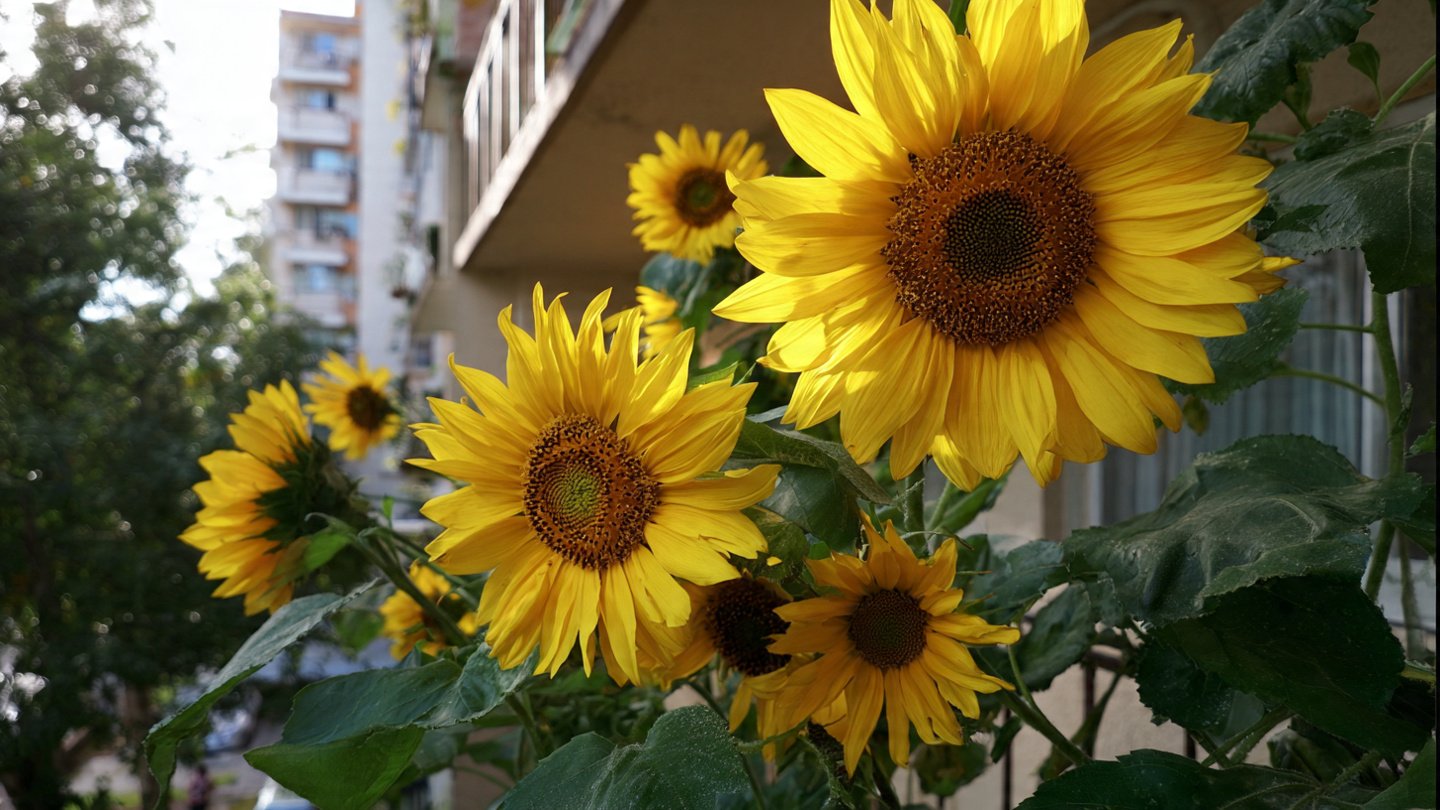
Growing giant sunflowers can be a rewarding and visually stunning experience, even in the constrained environment of a small urban space. With the right techniques and considerations, you can cultivate these towering beauties, bringing a splash of color and cheer to your surroundings. This article will guide you through the essential steps to successfully grow giant sunflowers in an urban environment—from selecting the right seeds to harvesting your blooms.
Understanding Giant Sunflowers
Giant sunflowers (Helianthus annuus) can grow up to 12 feet tall, making them a dramatic focal point in any garden. Their large, cheerful yellow blooms and strong stalks offer not only beauty but also a habitat for pollinators and an inviting environment for neighborhood birds.
Benefits of Growing Sunflowers
- Aesthetic Appeal: The bright yellow petals of sunflowers can brighten up any small space.
- Pollinator Friendly: They attract bees, butterflies, and other beneficial insects.
- Edibility: Some sunflower varieties produce edible seeds that can be harvested for snacks.
- Air Quality: Plants can help improve air quality, making your environment healthier.
Choosing the Right Location
Consider the Sunlight
Sunflowers thrive in full sun, requiring a minimum of 6-8 hours of direct sunlight each day. Evaluate your urban space and identify areas that receive ample sunlight. Roof gardens, balconies, and community gardens may offer ideal conditions. If natural sunlight is limited, you might consider reflective surfaces that maximize light exposure.
Space Requirements
Even though sunflowers can be grown in pots, they still need sufficient space to spread their roots. A standard giant sunflower can have a root system that extends deep into the soil, so ensure that your chosen container or space allows for this. If planting directly into the ground, ensure the area is devoid of competing plants.

Selecting the Right Seeds
Varieties of Giant Sunflowers
When selecting seeds for giant sunflowers, consider the following popular varieties:
Latest Posts
- How to Use Invisible Wire for a Stunning Climbing Plant Wall
- Are Your Garden Tools Making Your Plants Sick?
- How to Style a Small Studio with Columnar Cacti
- Why Is My Zucchini Shaped Like a Lightbulb?
- How to Protect Your Fruit From Birds Without Nets
- How to Keep Squirrels Away from Your Fruit Trees
- How to Protect Your Fruit from Birds Without Nets
- Why Biochar Is a Game-Changer for Your Kitchen Garden
- Why Some Rare Cacti Bloom Only One Night a Year
- How to Grow Rare Blue Strawberries at Home
- Mammoth Grey Stripe: This variety can reach heights of over 12 feet and produces large seeds.
- Russian Giant: Known to grow quickly and can produce multiple blooms.
- Giant Sungold: A hybrid variety that matures earlier than most and is suited for shorter growing seasons.
Make sure to read the seed packet for specific growth requirements, as different varieties may have unique needs.
Where to Buy Seeds
You can purchase sunflower seeds from local gardening stores, online retailers, or even from community seed exchanges. Look for organic seeds to ensure healthy plants free from harmful pesticides.
Preparing Your Soil
Soil Composition
Sunflowers prefer well-drained soils rich in organic matter. You can improve your urban soil by adding compost or a high-quality potting mix. Here are some steps to prepare your soil:

- Testing pH Levels: Use a soil test kit to determine the pH level. Sunflowers generally prefer a slightly acidic to neutral pH (6.0 – 7.0).
- Fertilization: Mix in slow-release fertilizers or compost before planting to give your sunflowers an initial boost. Over-fertilizing can lead to excessive foliage at the expense of blooms.
Container Gardening
If you are growing sunflowers in pots:
- Choose a large container (at least 12-18 inches in diameter) to house the root system.
- Ensure it has drainage holes to prevent water accumulation.
- Use quality potting soil that retains some moisture while still draining well.
Planting Your Seeds
Timing
Plant sunflowers in the late spring, after the last frost. The ideal soil temperature for germination is around 70°F (21°C). In urban settings, frost dates can often vary, so check local gardening guidelines to find the best planting time.
Planting Depth and Spacing
- Seeds: Plant seeds about 1-2 inches deep, depending on soil type. In well-drained soil, you can plant them closer to 2 inches deep.
- Spacing: Ensure proper spacing—at least 18 to 24 inches apart. This distance allows for airflow, reducing the risk of disease and ensuring that each plant has enough nutrients.
Watering
Once planted, water the seeds thoroughly. Keep the soil moist but not soggy. Initially, daily watering may be necessary, especially in hot weather, until the seedlings are established.
Nurturing Your Plants
Watering and Fertilizing
- Watering: Sunflowers are relatively drought-tolerant but should receive consistent moisture, especially during their early growth stages. Water them deeply at least once a week once established.
- Fertilization: After a month of growing, you can apply a balanced, water-soluble fertilizer every few weeks to promote healthy growth.
Pest Control
Keep an eye out for common pests like aphids, caterpillars, and beetles that may find sunflowers appetizing. Consider these strategies:

- Hand-picking: Remove pests by hand whenever possible.
- Natural Insecticides: Use neem oil or insecticidal soap as a natural solution to pests.
- Companion Planting: Consider planting marigolds or basil nearby to deter certain pests.
Supporting Your Sunflowers
As sunflowers grow taller, they may need support to prevent them from bending or breaking. Use stakes, twine, or trellises to provide extra stability, especially in windy conditions. Ensure that any support is installed gently to avoid harming the root system.
Dealing with Challenges
Urban Environment Considerations
Urban gardening comes with unique challenges:
- Pollution: If planted near busy streets, consider using barriers to protect your plants from dirt and smog.
- Limited Space: Vertically inclined planting (using trellises or vertical gardens) can help maximize small areas.
- Water Runoff: Use rain barrels or drip irrigation systems to efficiently collect and use rainwater.
Learning from Failures
Don’t be discouraged if some plants don’t flourish. Gardening involves trial and error. Document what works and what doesn’t, adjusting your approach as needed.
Harvesting Your Sunflowers
When to Harvest
Sunflower seeds are typically ready for harvesting when the back of the flower head turns yellow and the seeds are plump. Here’s how to tell when they’re ready:
- Flowers Droop: When the flower heads start to droop, it’s a sign that the seeds may be ready to harvest.
- Seed Color: The seeds should be firm and exhibit mature colors, often gray or black with stripes.
Harvesting Techniques
- Cutting: Use sharp pruning shears to cut the flower head, leaving a few inches of stem for easy handling.
- Drying: Hang the flower heads upside down in a cool, dry place to allow them to dry further, which makes seed extraction easier.
Storing Your Seeds
Once dried, you can store your seeds in a breathable container, such as a paper bag or a mesh sack, in a cool, dark place. They can be used in the next planting season or enjoyed as a delicious snack.
Conclusion
Growing giant sunflowers in a small urban space is entirely feasible with a little planning, creativity, and effort. By choosing the right seeds, providing optimal care, and overcoming urban gardening challenges, you can enjoy these magnificent flowers every summer. Not only do they add beauty and vibrancy to your surroundings, but they also contribute to a healthier urban environment by supporting pollinators and improving air quality.
So gather your materials, research your variety, and get ready to spread joy and cheer with your towering sunflowers!