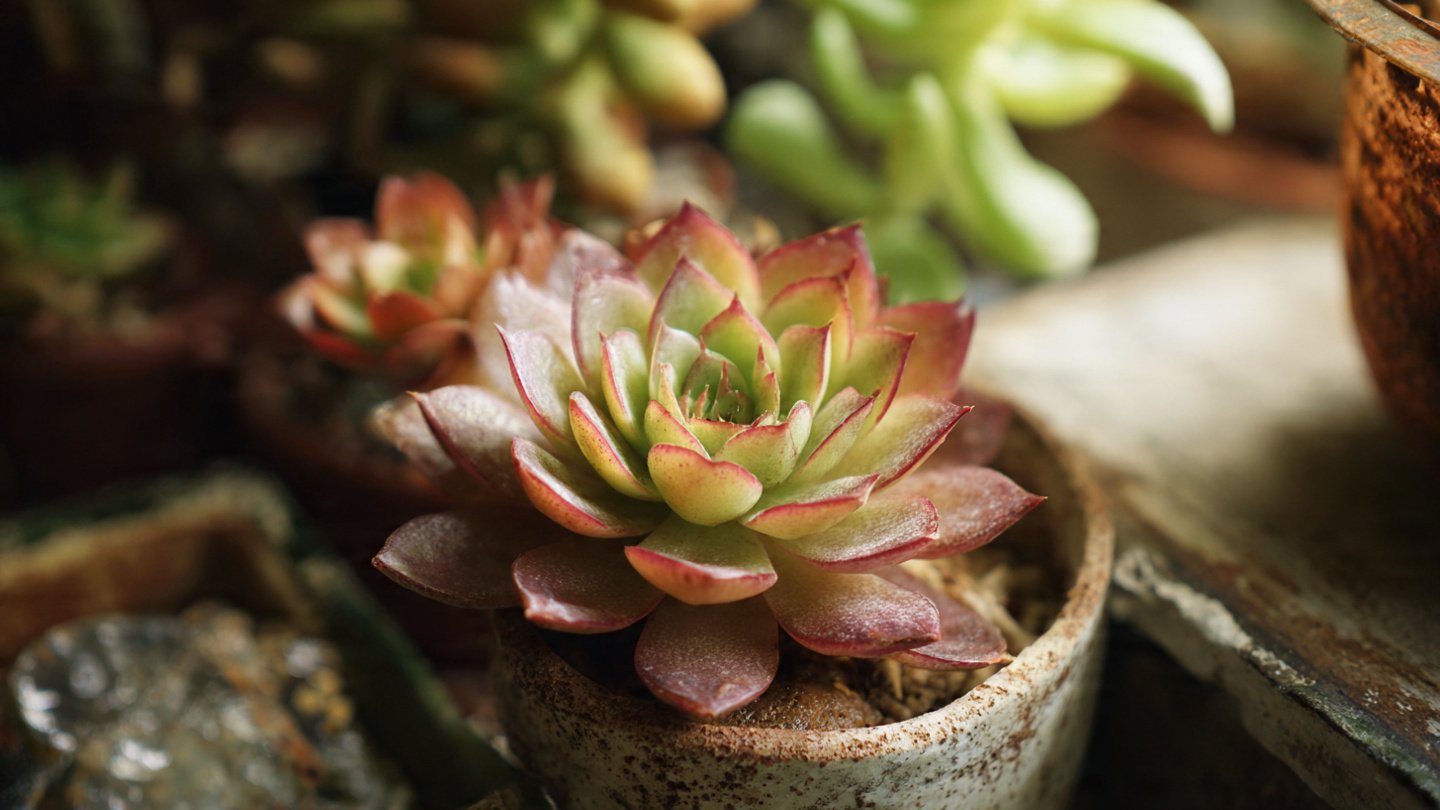
Understanding Overwatering in Succulents
Succulents are popular houseplants due to their unique appearance and low maintenance requirements. However, they are not impervious to care mistakes, with overwatering being one of the most common issues. Overwatering occurs when succulents receive more water than they can absorb, leading to root rot—a condition that can severely damage or even kill the plant.
Understanding the signs and causes of overwatering is crucial for any succulent owner. The roots of these plants are adapted to store water; thus, they thrive in dry conditions. When the soil remains wet for too long, it deprives the roots of oxygen and fosters harmful bacteria and fungi.
Latest Posts
- How to Use Invisible Wire for a Stunning Climbing Plant Wall
- Are Your Garden Tools Making Your Plants Sick?
- How to Style a Small Studio with Columnar Cacti
- Why Is My Zucchini Shaped Like a Lightbulb?
- How to Protect Your Fruit From Birds Without Nets
- How to Keep Squirrels Away from Your Fruit Trees
- How to Protect Your Fruit from Birds Without Nets
- Why Biochar Is a Game-Changer for Your Kitchen Garden
- Why Some Rare Cacti Bloom Only One Night a Year
- How to Grow Rare Blue Strawberries at Home
Signs Your Succulent is Overwatered
Before attempting to rescue your succulent, identifying the signs of overwatering is essential. Here are some key indicators:
- Yellowing Leaves: The most noticeable sign is the yellowing of leaves. This indicates stress and a lack of nutrients.
- Soft or Mushy Leaves: Overwatered succulents often develop soft, mushy leaves that can feel squishy to the touch.
- Wilting: Surprisingly, wilting can also occur in overwatered plants, as the roots struggle to take up water.
- Foul Odor: A rotten smell emanating from the soil or plant itself indicates root rot.
- Black or Brown Spots: The development of dark, soggy spots on leaves or stems signifies advanced deterioration.

Steps to Rescue an Overwatered Succulent
If you’ve identified that your succulent is overwatered, immediate action is necessary. Here are effective steps to help you rescue your plant.
Step 1: Assess the Damage
Examine your succulent closely. If the leaves are simply yellowing and the plant still feels firm, you might catch it in time. However, if there are signs of mushiness or foul odors, root rot may have set in.
Step 2: Remove the Succulent from its Pot
Carefully take the succulent out of its pot to examine the roots. Gently shake off the excess soil, being cautious not to damage any healthy roots.

Step 3: Evaluate the Roots
Check the roots for any signs of rot. Healthy roots should be white or light tan and firm to touch. Diseased roots will appear brown or black and feel mushy. Trim away any rotten sections using sterile scissors or pruning shears.
Step 4: Let the Roots Dry
After trimming, allow the roots to dry for several hours to a day. This process helps to prevent further rot when replanting. Place the succulent in a dry, warm location away from direct sunlight to facilitate drying without causing stress.
Step 5: Repotting
Once the roots have dried, prepare a new pot with fresh, well-draining soil specifically designed for succulents. Ensure the pot has drainage holes to prevent future overwatering. Replant your succulent gently, ensuring the roots are properly spread out.
Step 6: Reassess Watering Needs
After repotting, adjust your watering routine. Wait at least a week before watering again to ensure the plant is acclimating to its new environment. When you do water, use the “soak and dry” method—water thoroughly and then allow the soil to dry out completely before the next watering.

Preventing Future Overwatering
Prevention is key to maintaining healthy succulents. Here are some tips to avoid overwatering in the future:
- Use Appropriate Soil: Always plant succulents in well-draining soil. If the soil retains too much moisture, it can lead to rot.
- Watering Schedule: Stick to a consistent watering schedule, keeping in mind that succulents typically need less water in winter than in the growing season.
- Container Choice: Choose pots with drainage holes to ensure excess moisture can escape, preventing water from pooling at the bottom.
- Environment: Consider the light and temperature conditions of your home. Succulents thrive in bright light and prefer temperatures between 60°F and 80°F (15°C to 27°C).
- Finger Test: Use the finger test to determine the moisture level in the soil before watering. Insert your finger about an inch into the soil; if it feels dry, it’s time to water.
Conclusion
Rescuing an overwatered succulent from rot requires prompt action and careful monitoring. By assessing the damage and following the steps outlined above, you can help restore your plant to health. Remember, preventing overwatering in the first place is essential for the long-term health of your succulent. With proper care, your succulent can thrive, showcasing its unique beauty for years to come.

FAQs
1. How often should I water my succulent?
Your watering schedule will depend on the environment and season, but a general rule is to water every 2-4 weeks, allowing the soil to dry out completely in between.
2. Can I save a completely rotted succulent?
If the roots are entirely rotted, it may be too late to save the plant. However, if any healthy leaves remain, you can try propagating from those leaves.
3. What kind of soil is best for succulents?
Use a well-draining cactus or succulent mix that typically contains perlite or sand to ensure good drainage.

4. Why are the leaves on my succulent turning brown?
Browning leaves can indicate overwatering, underwatering, or sunburn. Assess your plant’s watering routine, as well as its light exposure.
5. Can I use regular potting soil for succulents?
Regular potting soil retains moisture and is generally not suitable for succulents. It’s best to use a specially formulated cactus or succulent mix.