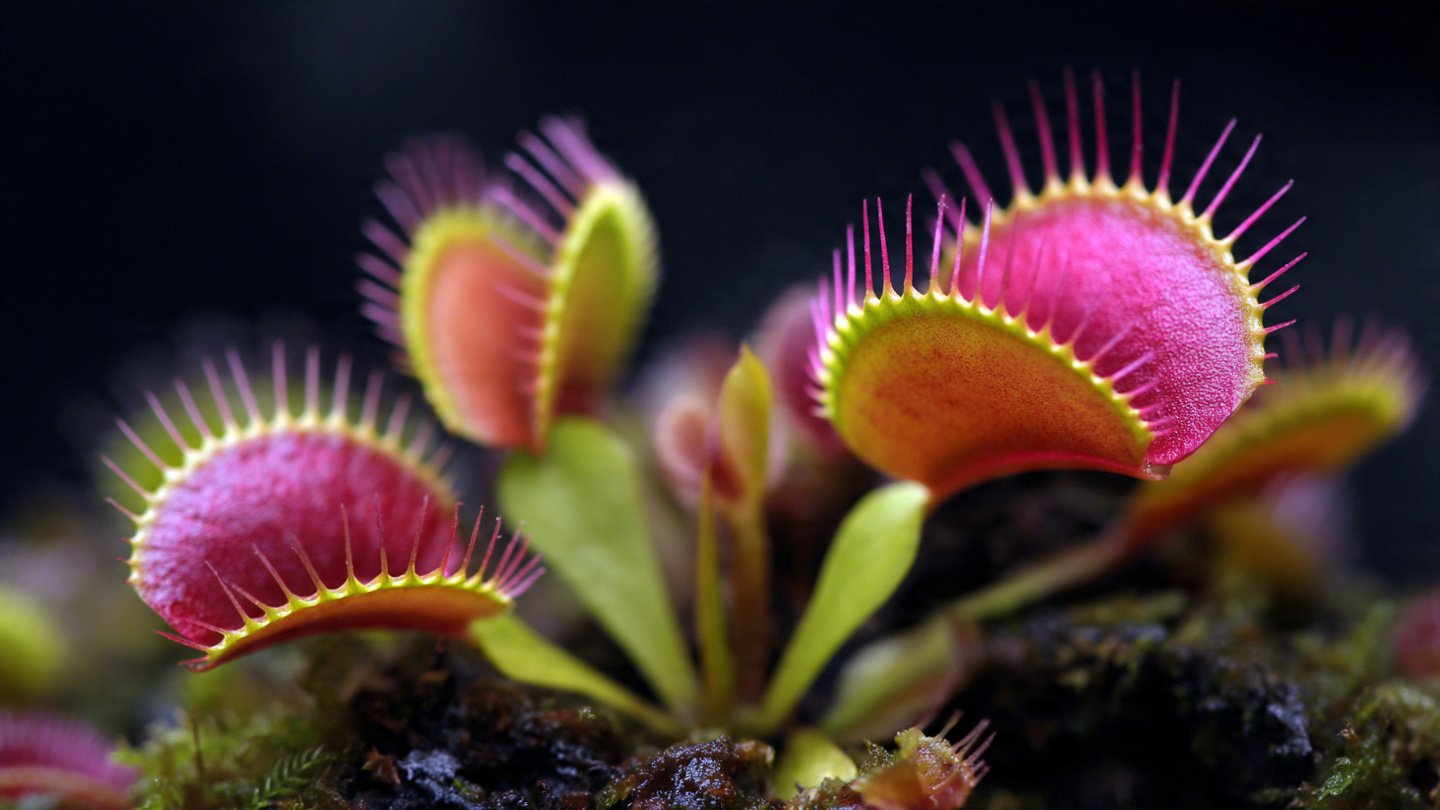
The Venus Flytrap (Dionaea muscipula) is one of the most fascinating carnivorous plants in the world. Native to the subtropical wetlands of the East Coast of the United States, particularly North and South Carolina, this plant has evolved unique adaptations for capturing and digesting prey, primarily insects. Unlike traditional plants that rely on soil nutrients and sunlight, the Venus Flytrap has developed a remarkable mechanism to track and capture its prey, which is critical for its survival in nutrient-poor environments. In this article, we will delve into the details of how Venus Flytraps uniquely track their prey, the mechanisms behind their hunting strategy, and the ecological significance of these adaptations.
The Structure of the Venus Flytrap
The Venus Flytrap consists of a rosette of leaves and specialized leaf structures called “lobes.” Each lobe has a set of hinged edges lined with hair-like structures known as trichomes. These lobes can close rapidly when triggered, forming a trap. The inner surfaces of the lobes are coated with glands that secrete digestive enzymes, which aid in breaking down the prey once it is captured.
Tracking Mechanism: Trichomes and the Trigger
The ability of the Venus Flytrap to capture prey hinges on its trichomes, which play a crucial role in its tracking mechanism. Each lobe features three to four sensitive trichomes on the inner surfaces. When an unsuspecting insect enters the trap and brushes against these trichomes, it activates a response. Importantly, the Venus Flytrap is not triggered by mere contact; it requires a double stimulus, which helps prevent false alarms from wind or debris.

This double-trigger system is incredibly efficient. If the first trichome is touched, a timer is initiated, which is typically around 20 seconds. Should a second trichome be triggered within this time frame, it sends a signal to the plant to close the trap rapidly, often within just a tenth of a second. This swift action helps to ensnare the prey effectively, minimizing the risk of escape.
Why the Double Trigger?
The evolution of the double-trigger mechanism has significant advantages. In the nutrient-poor environments where Venus Flytraps reside, the energy expended in closing the trap is substantial. If the plant were to close its trap on non-prey objects such as raindrops or wind-blown debris, it would waste energy that could be better utilized for growth and reproduction. Thus, the double trigger acts as a natural filter to ensure that only viable prey results in trap closure.
Latest Posts
- How to Use Invisible Wire for a Stunning Climbing Plant Wall
- Are Your Garden Tools Making Your Plants Sick?
- How to Style a Small Studio with Columnar Cacti
- Why Is My Zucchini Shaped Like a Lightbulb?
- How to Protect Your Fruit From Birds Without Nets
- How to Keep Squirrels Away from Your Fruit Trees
- How to Protect Your Fruit from Birds Without Nets
- Why Biochar Is a Game-Changer for Your Kitchen Garden
- Why Some Rare Cacti Bloom Only One Night a Year
- How to Grow Rare Blue Strawberries at Home
Digestive Process
Once the trap has closed, the real work begins. The Venus Flytrap secretes digestive enzymes that break down the proteins in its catch. This process can take anywhere from five to twelve days, depending on the size of the prey and environmental conditions. During this time, the plant absorbs the released nutrients through specialized glandular cells lining the inner surfaces of the trap.
The combination of rapid closure, coupled with an efficient digestive system, allows the Venus Flytrap to thrive in its challenging habitat. The nutrients gained from digesting insects provide essential elements that the plant would otherwise struggle to obtain from its sandy, acidic soil. This relationship emphasizes the evolutionary arms race between predator and prey, as insects develop strategies to avoid capture while the Venus Flytrap enhances its trapping capabilities.
The Role of Environmental Factors
Environmental conditions play a significant role in the efficiency of a Venus Flytrap’s tracking and capturing abilities. Factors such as light, humidity, soil quality, and temperature can influence both the plant’s responsiveness and its digestive efficacy. For instance, optimal levels of sunlight and humidity can enhance the plant’s overall health, thereby improving its hunting capabilities.
Moreover, the Venus Flytrap’s activity patterns can change based on seasonal variations. During the growing season in spring and summer, the plant is more active and captures prey more frequently. In winter, the plant enters a dormant phase, reducing its metabolic rate and halting its hunting activities until conditions become favorable again.

Ecological Impact
The unique adaptations of the Venus Flytrap extend beyond individual survival; they hold broader ecological implications as well. As a carnivorous plant, the Venus Flytrap plays a role in controlling insect populations in its native habitat. This contributes to the balance of the ecosystem, as it helps regulate populations of herbivorous insects that can damage surrounding flora. Furthermore, the Venus Flytrap’s role as a consumer in this food web signifies its importance in maintaining ecological stability.
Conservation Efforts
Sadly, the Venus Flytrap is considered a threatened species due to habitat loss, poaching, and changes to its environment. Conservation efforts are critical to ensure that this unique plant continues to thrive in its natural habitat. Conservation strategies may include habitat protection, cultivation of the plant in controlled environments, and educating the public about the importance of preserving this remarkable species.
Conclusion
The Venus Flytrap exemplifies the incredible adaptations that allow plants to thrive in challenging environments. Its unique mechanisms for tracking prey, such as the double-trigger system, enable it to capture insects efficiently, ensuring its survival in nutrient-poor habitats. As ecological stewards, we must recognize the importance of conserving these extraordinary plants and their roles within their ecosystems. Understanding and appreciating the Venus Flytrap not only enhances our knowledge of plant biology but also highlights the intricate relationships within our natural world.
FAQs
1. How often does a Venus Flytrap need to eat?
A Venus Flytrap typically captures and digests prey about every 2 to 4 weeks during its growing season. However, it can survive longer without food if necessary, especially during dormancy.
2. Can Venus Flytraps eat larger insects?
While they can capture larger insects, capturing prey that is too large can harm the trap, preventing it from closing properly. It’s best to stick with smaller insects, such as flies or spiders.
3. Do Venus Flytraps require special care?
Yes, Venus Flytraps have specific care requirements, including high humidity, bright sunlight, and nutrient-poor, acidic soil. It is important to use distilled water and ensure that they receive a dormancy period in winter.
4. Can I keep a Venus Flytrap as a pet?
Yes! They can be kept as houseplants, but they do require some specific care. It’s essential to replicate their natural conditions as closely as possible for the best growth and longevity.
5. Are Venus Flytraps endangered?
Yes, in many areas, Venus Flytraps are considered threatened due to habitat destruction and over-collection. Efforts are being made to protect their natural habitats and promote conservation.