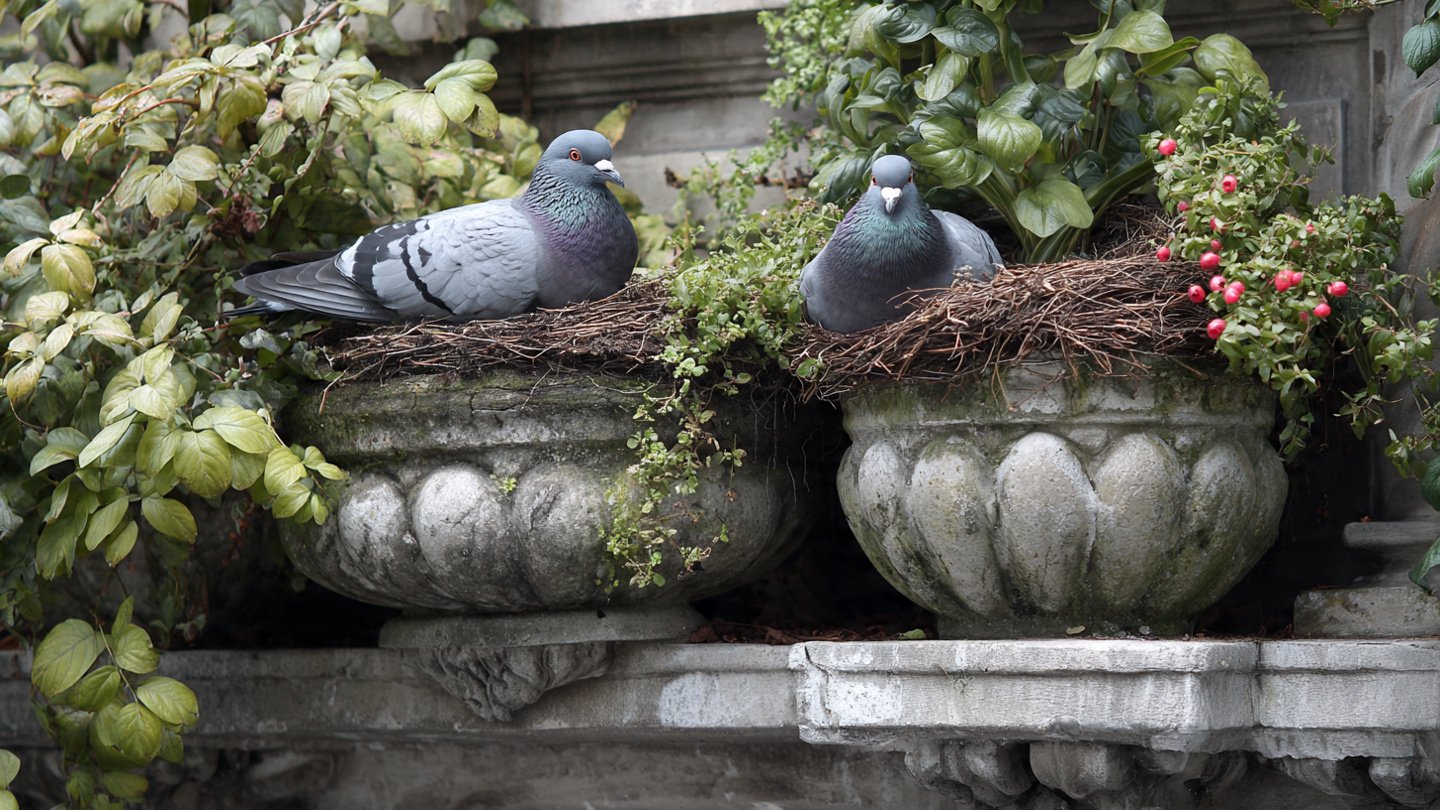
Pigeons, often touted as city dwellers, can find their way into residential areas, especially in urban settings. While their presence might seem charming, their nesting in planters can lead to significant issues, including property damage and health hazards. If you want to safeguard your greenery and maintain the aesthetic appeal of your outdoors, it’s essential to employ effective strategies to deter pigeons from nesting in your planters. This article provides detailed tactics you can use.
Understanding the Pigeon Problem
Before diving into tactics, it’s crucial to understand why pigeons are attracted to your planters. Pigeons typically seek out safe and sheltered locations to build their nests. Planters offer the dual benefit of protection from predators and a discreet environment. Additionally, planters with soil can be inviting for pigeon nesting, providing them with material to create their nests.
The Importance of Deterring Pigeons
- Health Risks: Pigeons are known carriers of diseases such as histoplasmosis, cryptococcosis, and psittacosis, which can pose risks to humans and pets.
- Damage to Plants: Pigeons can disturb your plants by pecking at them or taking over the space you’ve cultivated with care.
- Aesthetic Concerns: Nesting pigeons can create unsightly messes, leading to a less pleasant outdoor experience.
Effective Tactics to Deter Pigeons
1. Physical Barriers
Netting: Installing bird netting can be one of the most effective ways to keep pigeons away. It creates a physical barrier that prevents them from reaching your planters. Make sure the netting is taut and covers the entire area you want to protect.
Use of Plant Covers: Covering your planters with protective mesh or fabric during nesting season can prevent pigeons from accessing them altogether.

Decorative Barriers: Consider using decorative stones or mesh at the top of your planters. These can act as a visual deterrent while enhancing the planter’s overall aesthetic.
Latest Posts
- How to Use Invisible Wire for a Stunning Climbing Plant Wall
- Are Your Garden Tools Making Your Plants Sick?
- How to Style a Small Studio with Columnar Cacti
- Why Is My Zucchini Shaped Like a Lightbulb?
- How to Protect Your Fruit From Birds Without Nets
- How to Keep Squirrels Away from Your Fruit Trees
- How to Protect Your Fruit from Birds Without Nets
- Why Biochar Is a Game-Changer for Your Kitchen Garden
- Why Some Rare Cacti Bloom Only One Night a Year
- How to Grow Rare Blue Strawberries at Home
2. Deterrent Spikes
Installing pigeon spikes on ledges and edges around your planters can deter pigeons from landing. These spikes are designed to make it uncomfortable for birds to perch, compelling them to seek other areas.
3. Sound Deterrents
Ultrasonic Devices: These devices emit high-frequency sounds inaudible to humans but unpleasant for birds. Placing them in areas around your planters can effectively keep pigeons at bay.
Noise Makers: Wind chimes or reflective objects that create noise can also deter pigeons. The combination of noise and movement can make your planters less appealing.

4. Visual Deterrents
Reflective Tape: Hanging reflective tape or aluminum foil strips around your planters can create dazzling flashes of light that scare pigeons away.
Predator Decoys: Using a decoy owl or hawk can be an effective way to scare pigeons. Positioning these in your garden can create the illusion of a predator nearby, which will deter pigeons from nesting.
5. Deterring Food Sources
- Limit Food Availability: Ensure that your outdoor environment doesn’t have food sources that attract pigeons. Secure bins and avoid leaving food scraps in your garden.
- Non-Toxic Repellents: There are various sprays available that are non-toxic but make the environment less welcoming for pigeons. These can be sprayed around your planters to deter them.
6. Altering the Environment
Change Plant Variety: If pigeons are particularly keen on certain plants in your planters, consider changing them to varieties that are less attractive to birds.
Change Planter Design: Using vertical planters or those with less depth can make it harder for pigeons to settle down and nest.

7. Regular Maintenance
Keep your planters and the surrounding areas clean. Regular maintenance not only keeps your outdoor space looking good but also eliminates potential nesting materials and food sources.
8. Community Efforts
If you live in an area with many other residents, consider discussing pigeon control strategies within your community. A collective approach can ensure a more effective deterrent strategy.
9. Educating Yourself on Local Wildlife Regulations
Before implementing some tactics, familiarize yourself with your local wildlife regulations. Certain actions may be prohibited depending on where you live, especially if they may harm the birds.
10. Professional Help
If the problem persists, consider consulting a pest control expert who specializes in bird management. They can provide a tailored approach based on your specific situation and local regulations.
When All Else Fails: Relocation
If all efforts to deter pigeons fail, and they have already nested in your planters, you may need to look into nest relocation. However, it’s vital to check local regulations on this because the law often protects certain bird species during nesting periods. Always opt for humane methods of relocation.
Conclusion
Managing pigeon nesting in your planters is not just about aesthetics; it speaks to your dedication to maintaining a healthy and pleasant outdoor environment. By utilizing a combination of physical barriers, deterrents, and sound strategies, you can significantly reduce the likelihood of pigeons nesting in your greenery.
Remember, patience is key. It may take some time to see results, but with persistent effort and the right combination of tactics, you can reclaim your outdoor space from these pesky birds. Be vigilant and remain proactive, and your planters can continue to thrive without the unwanted presence of pigeons.