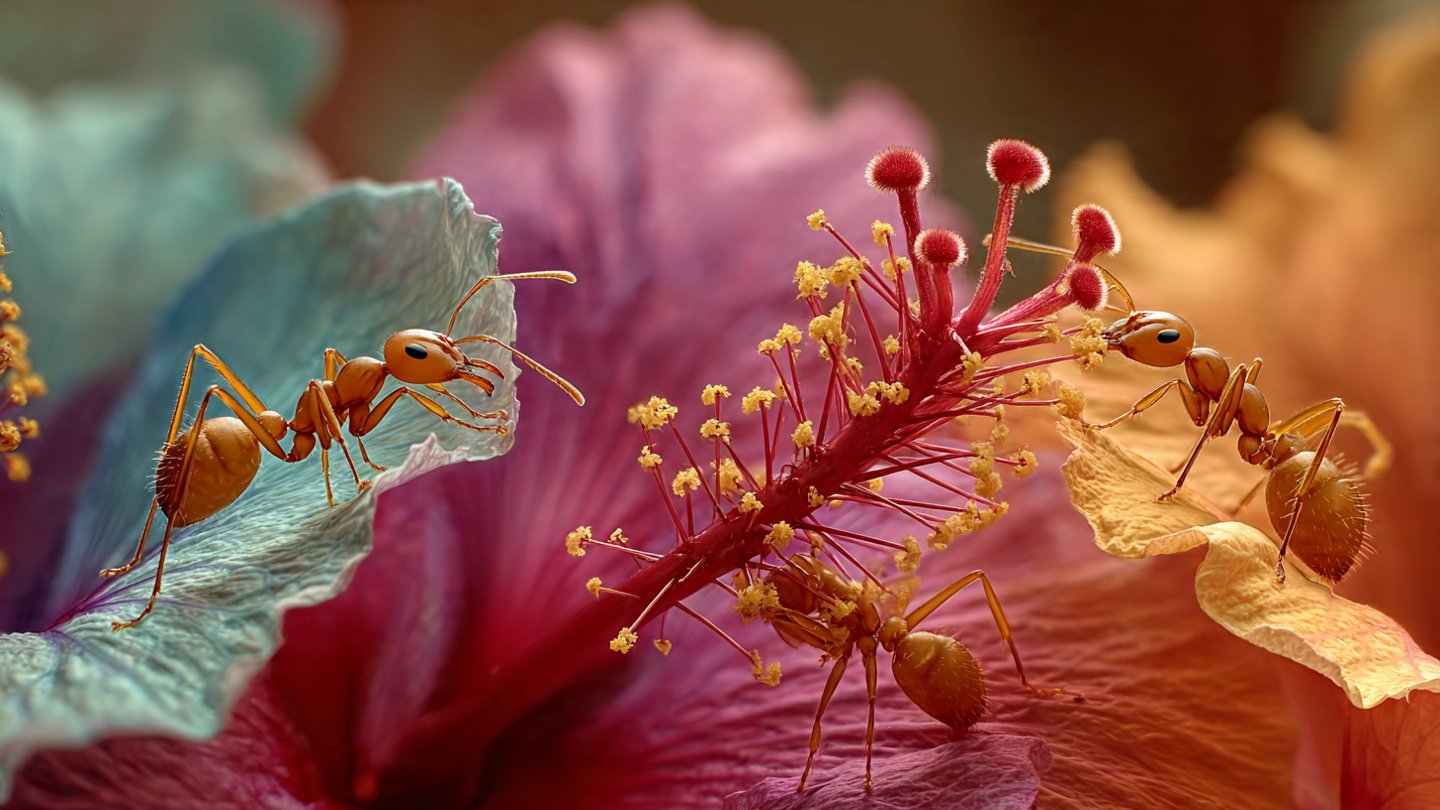
The natural world is brimming with symbiotic relationships that unveil the intricacies of ecological interactions. One of the most captivating partnerships is that between ants and certain flowering plants, particularly in the context of ant propagation. While many plants rely on airborne pollinators, these unique flowers depend solely on ants for their reproduction. This article delves into the secrets behind this ecological marvel, exploring how these flowers entice ants, their co-evolution, and the ecological ramifications of such unique propagation methods.
The Ant-Plant Connection
To understand the phenomenon of flowers propagated solely by ants, we first need to grasp the essence of mutualism—an interaction beneficial to both parties involved. Ants, known for their industriousness and adaptability, have found a reliable food source in these flowers, which in turn have evolved unique adaptations to attract and utilize these tiny gardeners.
Floral Traits Attractive to Ants
Flowers that rely on ant propagation exhibit several characteristic features that appeal to their insect partners:

- Elaiosomes: These are fleshy structures attached to seeds that are rich in lipids and proteins. Ants are highly motivated to collect seeds with elaiosomes as they serve as a nourishment source for the larvae, fostering a kind of seed-harvesting behavior.
- Color and Scent: While many flowers flaunt vibrant hues to attract bees and butterflies, those propagated by ants usually have muted colors and minimal scent, tailored to appeal to their specific ant partners.
- Growth Habitats: Ant-perpetuated flowers often grow in environments where ants are prevalent, ensuring that they have ready access to the seeds.
The Mechanism of Seed Dispersal
The relationship between ants and flowers extends beyond mere attraction; it incorporates intricate behaviors and life cycles. Once ants collect seeds, they transport them back to their nests. Here’s how this process unfolds:
- Collection: Ants forage for the seeds that contain elaiosomes. Upon finding them, they transport the seeds to their underground colonies.
- Consumption: In the nest, the ants consume the elaiosome, providing them with nutrients. Meanwhile, the seeds are discarded in a conducive environment away from the parent plant.
- Germination: The discarded seeds find an ideal habitat, rich in organic matter and free from competition, allowing them to germinate and develop into new plants.
Co-Evolution: A Love Story Between Species
The mutualistic relationship between ants and these flowers has led to co-evolution—adaptations occurring in tandem as both species respond to each other’s survival needs. This intricate evolutionary dance raises questions about which species dictates the terms of their association.
Latest Posts
- How to Use Invisible Wire for a Stunning Climbing Plant Wall
- Are Your Garden Tools Making Your Plants Sick?
- How to Style a Small Studio with Columnar Cacti
- Why Is My Zucchini Shaped Like a Lightbulb?
- How to Protect Your Fruit From Birds Without Nets
- How to Keep Squirrels Away from Your Fruit Trees
- How to Protect Your Fruit from Birds Without Nets
- Why Biochar Is a Game-Changer for Your Kitchen Garden
- Why Some Rare Cacti Bloom Only One Night a Year
- How to Grow Rare Blue Strawberries at Home
Ants as Effective Gardeners
Ants provide several ecosystem services that facilitate the growth and propagation of the flowers:

- Seed Dispersal: As discussed, ants transport seeds to safe locations, helping plants establish new populations across varied environments.
- Soil Aeration: Ant tunneling behavior aerates the soil, improving water infiltration and nutrient availability for the plants.
- Weed Control: Ants help suppress other plant species by clearing the area around their nests, thus minimizing competition for the flowers they favor.
The Flower’s Perspective
Just as ants reap benefits from this relationship, flowers have tailored their reproductive strategies to ensure their sustainability:
- Seed Production: Flowers evolve to create a greater number of seeds with elaiosomes, enhancing the chances of successful dispersal.
- Selective Attraction: Some flowers emit specific pheromones that attract particular ant species, ensuring that they are served by the most effective seed dispersers for their ecosystem.
- Phytochemicals: Certain plants release chemicals that manage the ant populations by encouraging advantageous species while deterring harmful ones.
Ecological Implications
The reliance of certain flowers on ant propagation has significant ecological implications, influencing biodiversity, plant community structures, and even climate resilience.
Biodiversity and Ecosystem Stability
Diverse ecosystems that include ant-propagated flowers typically exhibit robust biodiversity. This diversity enhances ecosystem stability, resilience against pests, and adaptability to changing environmental conditions.

Impacts of Habitat Modification
Human activities, such as urbanization and agriculture, pose threats to these delicate relationships:
- Habitat Loss: The destruction of natural habitats limits the range for both ant species and their corresponding flower species.
- Invasive Species: Invasive ant species may disrupt local ecosystems, potentially outcompeting native ants that have formed specialized relationships with indigenous flowers.
Conclusion
The relationship between ants and certain flowers exemplifies the beauty of ecological interdependencies. These unique flowering plants have evolved to rely exclusively on ants for their propagation, showcasing a remarkable example of mutualism. The strategies employed by both plants and ants not only ensure their survival but also foster a rich diversity of life within their ecosystems. By valuing and protecting these unique relationships, we can contribute to the preservation of biodiversity and the health of ecosystems that are pivotal to our planet’s resilience.
FAQs
1. What is an elaiosome?
An elaiosome is a fleshy structure attached to some seeds that is rich in nutrients, particularly lipids and proteins, which attract ants for seed dispersal.

2. How do ants help flowering plants?
Ants assist flowering plants by collecting their seeds, transporting them to safe locations, consuming the elaiosomes, and discarding the seeds in nutrient-rich environments conducive to germination.
3. Are all flowering plants reliant on ants for propagation?
No, only specific species of flowers have evolved to rely on ants for propagation. Most flowering plants use various pollinators such as bees, butterflies, and birds.
4. What are the consequences of habitat loss on ant-flower relationships?
Habitat loss can disrupt the co-evolutionary dynamics between ants and flowers, leading to a decline in both ant populations and their corresponding flowering plants, negatively impacting biodiversity and ecosystem stability.
5. How can we protect these unique relationships in nature?
Conservation efforts, such as habitat restoration, reducing pesticide use, and promoting native plant growth, can help sustain the relationships between ants and their flowering partners.