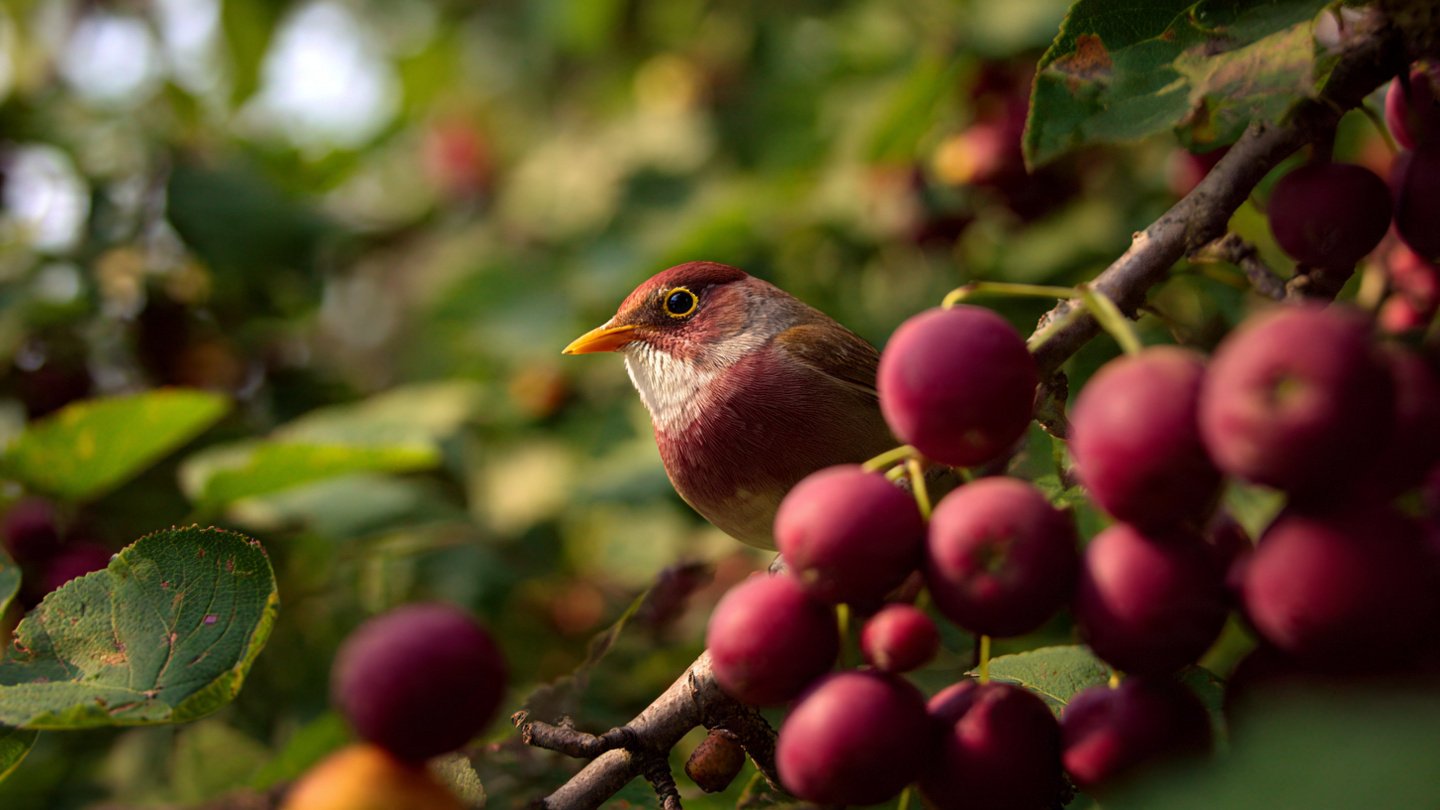
Fruit-bearing trees and plants are a delightful addition to any garden. However, their sweet, juicy offerings also attract birds, which can quickly become a nuisance for homeowners and gardeners. While netting is a common solution, it can be cumbersome and visually unappealing. Fortunately, several alternative methods can effectively deter birds without using nets. In this article, we’ll explore various strategies to protect your fruit while maintaining the beauty of your garden.
1. Reflective Objects
One of the easiest ways to scare birds away from your fruit is by using reflective objects. Birds are often frightened by shiny surfaces that sparkle in the sunlight. Here are some effective options:
Latest Posts
- How to Use Invisible Wire for a Stunning Climbing Plant Wall
- Are Your Garden Tools Making Your Plants Sick?
- How to Style a Small Studio with Columnar Cacti
- Why Is My Zucchini Shaped Like a Lightbulb?
- How to Protect Your Fruit From Birds Without Nets
- How to Keep Squirrels Away from Your Fruit Trees
- Why Biochar Is a Game-Changer for Your Kitchen Garden
- Why Some Rare Cacti Bloom Only One Night a Year
- How to Grow Rare Blue Strawberries at Home
- How Ants Help Certain Flowers Reproduce
- Aluminum Foil Strips: Cut strips of aluminum foil and hang them near your fruit trees. The movement and reflection will confuse and scare the birds.
- Reflective Tape: Similar to aluminum foil, reflective tape can be hung from branches or around the garden to create bright flashes that deter birds.
- Old CDs: Hanging old CDs or DVDs in your garden will create a dazzling effect. As they spin in the breeze, they reflect light and move unpredictably.
2. Scarecrow Innovations
Scarecrows are a traditional method of deterring birds, but they can be enhanced with modern twists. Instead of a simple straw figure, consider using the following:

- Moving Scarecrows: Attach a wind turbine or a flag to your scarecrow to create movement. This will make it appear more lifelike and thus more intimidating to birds.
- Sound Devices: Incorporate sound devices that mimic predator calls or other noises that frighten birds. These can be purchased or made from simple materials.
- Colorful Fabrics: Utilize bright colors or clashing patterns. Birds might find these unusual visuals unsettling and avoid the area.
3. Bird Songs and Sounds
Using sound to deter birds is a combination of both art and science. Here’s how to implement this method:
- Predator Calls: Install sound devices that play recorded calls of predatory birds, such as hawks. This can create an environment of fear for smaller birds.
- Distress Calls: Playing distress calls of specific birds can signal danger, effectively keeping them away from your plants.
4. Plant Selection and Landscaping

The plants you choose for your garden can also influence bird activity. Here are some landscaping tips:
- Companion Planting: Some plants naturally repel birds, such as marigolds and basil. Adding these to your garden may help create a barrier.
- Native Plants: Focus on planting native fruit varieties that might be less attractive to local bird species. They may prefer more familiar food sources.
5. Using Bird Deterrents
There are several products designed specifically to deter birds from gardens:
- Commercial Bird Deterrents: Purchase commercial products like liquid repellents that can be sprayed on fruits and plants. These are designed to be harmless to the plants while making fruits less appealing to birds.
- Bird Spikes: Install bird spikes on railings or fences near your garden. These spikes prevent birds from landing and perching in your fruit areas.
6. Garden Layout Adjustments

Sometimes, a simple change in your garden layout can help. Consider the following adjustments:
- Spacing Your Plants: Maintain adequate spacing between your plants. This makes it harder for birds to find cover near your fruit.
- Creating Barriers: Use garden ornaments or structures (like trellises) to block the line of sight and discourage birds from approaching your fruit.
7. Covering the Soil
Implementing ground cover methods can also play a role in deterring birds:
- Ground Covers: Think about planting low-growing shrubs and herbs. This can provide cover that makes it harder for birds to access your fruit.
- Mulching: Use dark or patterned mulch that disrupts the ground view and hides fallen fruit, which may attract birds.
Conclusion
Safeguarding your fruit from birds doesn’t have to rely solely on netting. By employing a combination of the methods discussed—like reflective objects, innovative scarecrows, sound deterrents, and effective landscaping—you can create a bird-friendly environment that still protects your delicious harvest. Integrating these methods can help create a harmonious balance between nature and your gardening efforts, allowing you to enjoy the fruits of your labor without excess hassle.
FAQs
What are some simple reflective objects I can use to deter birds?
Aluminum foil strips, reflective tape, and old CDs make excellent reflective objects to scare away birds.
Are there specific plants that can repel birds?
Yes, planting marigolds, basil, and other herbs can help deter birds from your garden.
How effective are sound deterrents against birds?
Sound deterrents, particularly those mimicking predator calls, can be very effective at keeping smaller birds away from your fruit.
Can I use bird spikes without harming other wildlife?
Yes, bird spikes are designed to prevent birds from landing without causing harm. They are a humane way to deter unwanted birds from specific areas.
What is the best time of year to implement bird deterrent strategies?
It’s best to start implementing these strategies early in the growing season when fruits begin to develop, ensuring maximum protection.