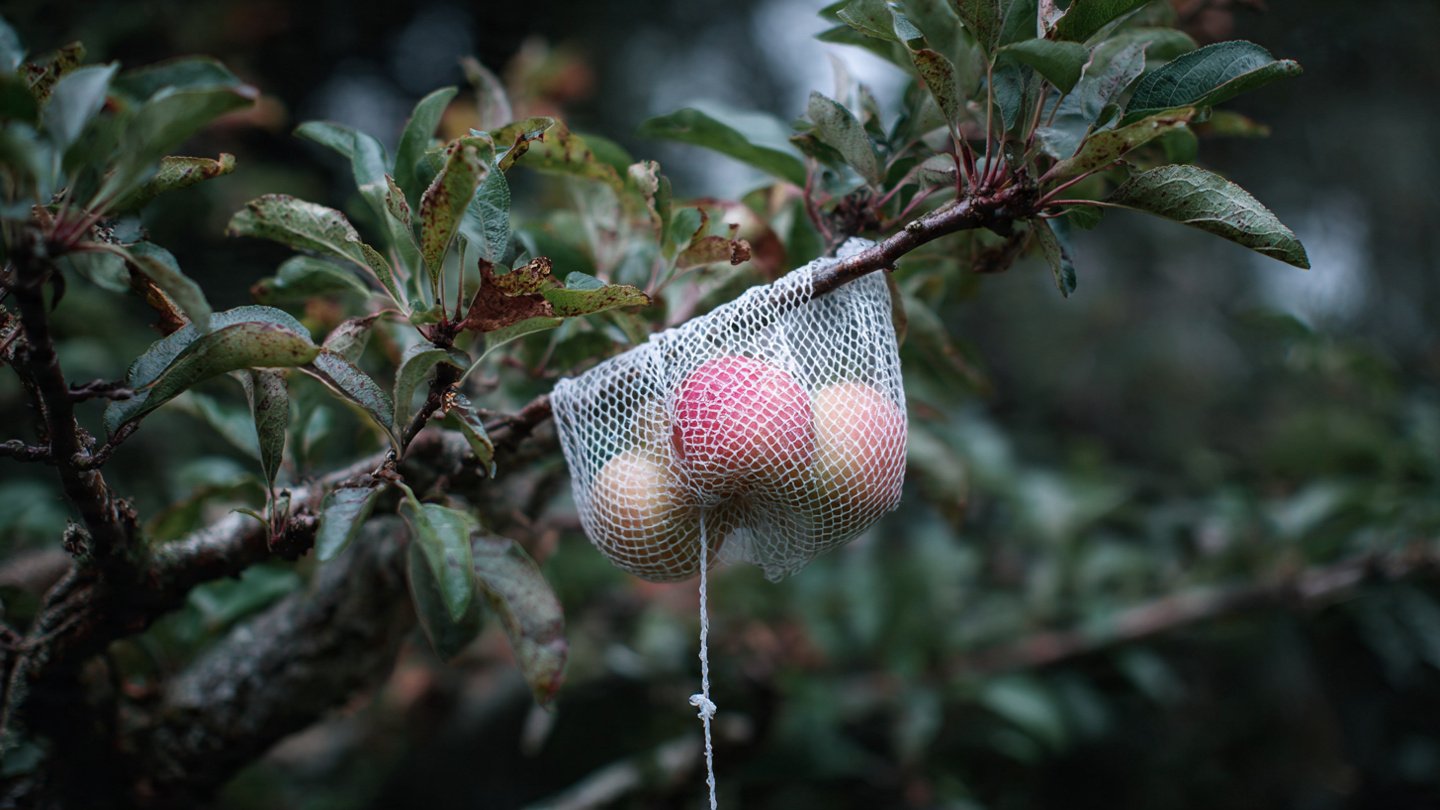
Birds are not just beautiful creatures; they can also be a gardener’s worst enemy. When fruits ripen, they attract birds eager for a feast. While netting is a common solution to protect your bounty, it isn’t the only option. This article explores various non-netting methods to safeguard your fruit from birds while also considering the aesthetics of your garden.
1. Scare Tactics
Using scare tactics is one of the most common non-netting methods to deter birds. Here are several effective techniques:
Latest Posts
- How to Use Invisible Wire for a Stunning Climbing Plant Wall
- Are Your Garden Tools Making Your Plants Sick?
- How to Style a Small Studio with Columnar Cacti
- Why Is My Zucchini Shaped Like a Lightbulb?
- How to Keep Squirrels Away from Your Fruit Trees
- How to Protect Your Fruit from Birds Without Nets
- Why Biochar Is a Game-Changer for Your Kitchen Garden
- Why Some Rare Cacti Bloom Only One Night a Year
- How to Grow Rare Blue Strawberries at Home
- How Ants Help Certain Flowers Reproduce
- Visual Scare Devices: Items such as reflective tape, aluminum foil, or old CDs can be hung around your garden. The sunlight reflects off these materials, creating flashes of light that scare birds away.
- Predator Decoys: Setting up decoys of natural predators, such as owls or hawks, can trick birds into thinking there is danger nearby. Make sure to move these decoys occasionally to maintain their effectiveness.
- Wind Chimes: The sound of wind chimes can be both visually and aurally unappealing to birds. Choose metal or bamboo chimes that create noise with movement.
2. Aromatic Deterrents
Birds have a keen sense of smell, and certain scents can deter them. Here are some aromatic deterrents to consider:

- Cayenne Pepper: Sprinkling a mixture of cayenne pepper with water around your fruits can create a spicy barrier that birds do not want to get near.
- Garlic Spray: Birds dislike strong smells. Make a garlic spray by blending garlic with water and spraying it around your fruit plants.
- Vinegar: The strong scent of vinegar can discourage birds. A diluted vinegar solution can be sprayed lightly around the area.
3. Physical Barriers
While netting is a popular barrier, there are other creative options:
- Row Covers: Floating row covers not only protect against birds but also offers some protection against pests and weather. These lightweight materials allow sunlight and moisture to get through but block birds effectively.
- Garden Fencing: Building a tall fence around your fruit garden can act as a deterrent to larger birds. Ensure that it’s at least six feet tall for effectiveness.
4. Companion Planting

Some plants can naturally deter birds. Incorporating these into your garden can provide beautiful visual aesthetics while protecting your fruits:
- Marigolds: The strong scent of marigolds can confuse bird senses, making them less likely to invade your fruit plants.
- Sunflowers: Planting sunflowers may draw birds away from your fruits, as they find them attractive and may prefer to feed on them instead.
5. Utilizing Sound
Sound can be an effective tool to scare birds away. Consider the following methods:
- Ultrasonic Devices: These devices emit frequencies that are unpleasant to birds but inaudible to humans. They can cover a significant area and deter various bird species.
- Recording Natural Predators: Playing sounds of birds of prey can help to keep smaller birds at bay. Use a speaker system that plays these sounds intermittently.
6. Creative Aesthetic Solutions

While safeguarding your fruits, you can also keep your garden looking beautiful:
- Garden Art: Incorporating colorful sculptures or hanging ornaments can create a visually appealing distraction for birds.
- Wind Spinners: Colorful wind spinners can move with the wind, creating an active element in your garden that birds may find uninviting.
7. Encourage Beneficial Wildlife
By promoting the presence of birds of prey or natural predators, you can maintain a balanced ecosystem in your garden. Consider:
- Nesting Boxes: Build or install nesting boxes to attract owls or kestrels, which will help control bird populations naturally.
- Attracting Insects: Creating a diverse environment will allow natural predators of the birds you want to deter to thrive, thus maintaining balance.
Conclusion
Protecting your fruits from birds doesn’t have to rely solely on netting. By using a combination of scare tactics, aromatic deterrents, physical barriers, companion planting, sound, creative aesthetics, and fostering beneficial wildlife, you can safeguard your crops while maintaining an inviting and beautiful garden. Each method requires careful consideration and may necessitate a bit of trial and error, but with patience and creativity, you can successfully protect your fruits from the avian threat.
FAQs
-
Q: Are scare tactics really effective?
A: Yes, many gardeners find that visual and auditory scare tactics can reduce bird activity in their gardens.
-
Q: Can I use more than one method simultaneously?
A: Absolutely! In fact, combining methods often yields the best results as it creates a multi-layered approach to deterrence.
-
Q: How often should I change my scare tactics?
A: Changing scare tactics every few weeks can help keep birds from becoming accustomed to them.

-
Q: Is it safe to use aromatic deterrents around pets?
A: Many aromatic deterrents like garlic and cayenne pepper are generally safe, but always monitor your pets’ reactions and avoid using anything toxic.
-
Q: Do certain birds need specific treatments?
A: Yes, different bird species may react differently to various deterrents, so it might be helpful to identify the specific birds causing issues and tailor your approach accordingly.