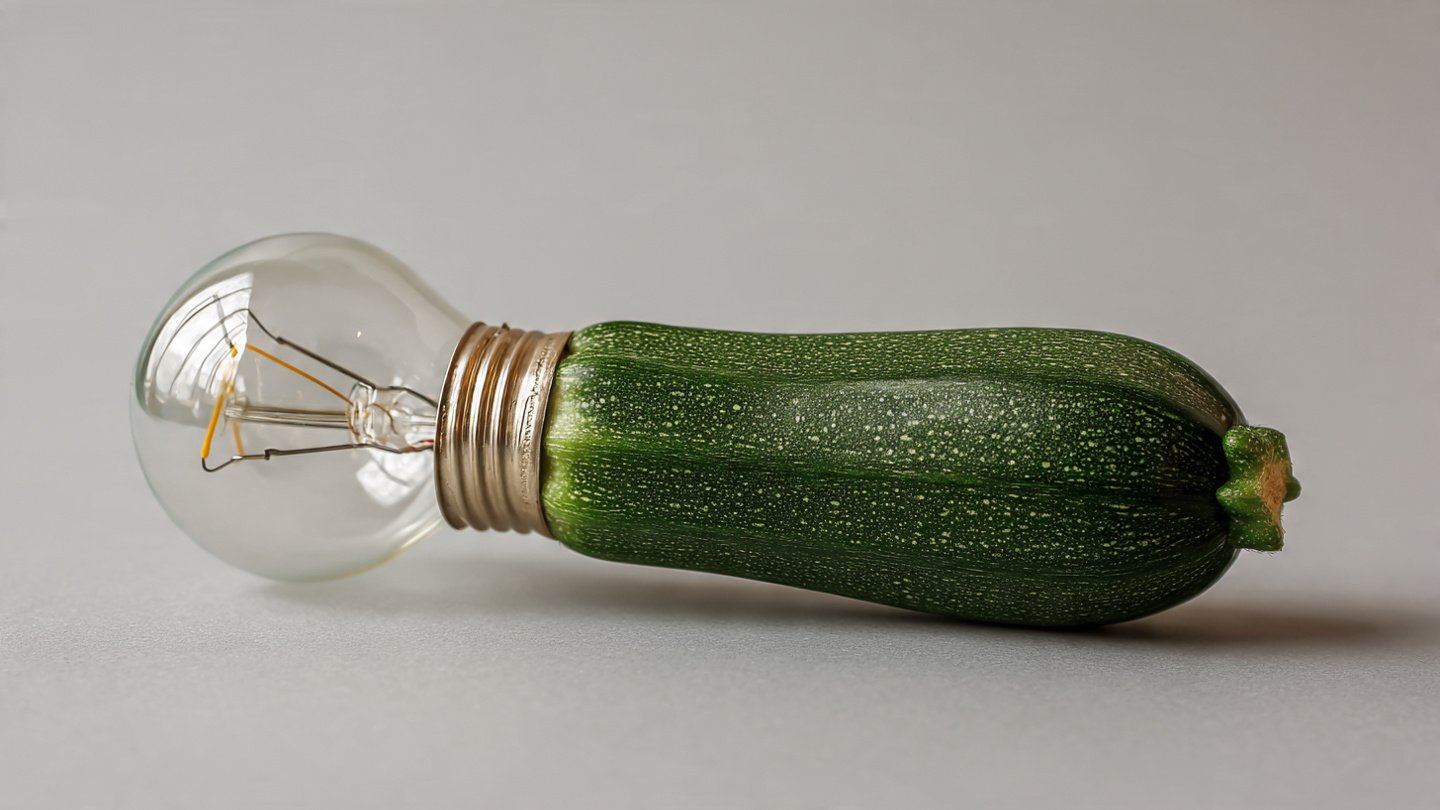
Zucchini, a popular summer squash, is often celebrated for its versatility and health benefits. It can be grilled, sautéed, baked, or even spiralized into noodle-like strands, making it a staple in many kitchens. However, one fascinating aspect that often intrigues gardeners and cooks alike is the peculiar shapes that zucchinis can take. Occasionally, zucchinis grow in forms that resemble lightbulbs, prompting questions about why this happens and what these shapes might reveal about the plant’s health and growing conditions.
To understand this phenomenon, one must consider the biology of zucchini plants. Zucchini (Cucurbita pepo) is part of the gourd family, which includes pumpkins and cucumbers. Like all plants, zucchinis develop according to a blend of genetic factors and environmental conditions. The unusual bulbous shape often derives from a series of factors including but not limited to pollination issues, stressors in the environment, and nutrient availability.
At the heart of zucchini’s bulbous shaping is the pollination process. Zucchini plants produce both male and female flowers. The male flowers, typically larger and more numerous, send pollen to the female flowers, which, when successfully fertilized, develop into the squash we harvest. If pollination is inadequate—an occurrence that can happen due to a lack of pollinators like bees or unfavorable weather—female flowers may not develop properly. In such cases, the fruit may continue to grow, forming an abnormal shape that appears swollen near the blossom end and tapering toward the stem, mimicking a lightbulb.
Additionally, environmental stressors can also play a significant role in determining the shape of zucchinis. Factors such as temperature fluctuations, inconsistent watering, and soil quality can cause plants to respond in unusual ways. For instance, zucchinis are particularly sensitive to temperature; prolonged exposure to extreme heat can hinder growth. Conversely, if temperatures drop unexpectedly at night, it can shock the plant, leading to distorted fruit shapes. Extreme moisture levels can also introduce problems; too much or too little water can stunt growth at different stages, resulting in bulbous zucchinis that exhibit anomalous shapes.
Furthermore, soil health is integral to learning why zucchinis take on varying forms. Nutrient deficiencies, particularly in nitrogen or potassium, can inhibit normal growth patterns. A lack of nitrogen, for instance, can stunt overall plant growth, prompting the zucchini to enter a sort of survival mode. The result can be fruit that expands unexpectedly at the flower end, leading to that characteristic bulb shape. On the contrary, an abundance of fertilizer, particularly high-phosphorus fertilizers, may lead to rapid growth that the plant cannot structurally support, resulting in distorted shapes.
Pests and diseases further complicate the equation. Various insects, such as squash bugs and aphids, play a significant role in the successful reproduction of zucchinis. An infestation can divert energy from fruit production to dealing with stress, potentially resulting in distorted growth. Diseases, particularly those caused by pathogens like powdery mildew, can also impede normal growth, causing the fruit to form abnormally.
Examining the wider implications of these lightbulb-shaped zucchinis can yield insights into agriculture and gardening practices. They serve as visual cues that help gardeners understand the health of their crops. If bulbous zucchinis frequently appear, it may signal the need to reassess gardening practices. Perhaps the soil needs to be enriched, or additional measures should be implemented to attract more pollinators. These insights can lead to better crop management and higher yields in future growing seasons.
From a culinary perspective, the unusual shape of zucchinis does not generally affect their taste or nutritional value. Bulbous zucchinis can still be delicious and nutritious, offering the same vitamins and minerals as their conventionally shaped counterparts. They can be roasted, sautéed, or incorporated into baked goods like zucchini bread without compromising flavor or texture. In fact, using these unusually shaped zucchinis can add a unique aesthetic to a dish, showcasing diversity in produce.
Additionally, there is a growing trend in celebrating imperfect produce, advocating for the idea that shape and appearance should not dictate the value of food. This movement acknowledges the importance of sustainability and reducing food waste, encouraging consumers to embrace all forms of fruits and vegetables, including those that may resemble lightbulbs.
In a broader agricultural context, the increasing focus on the cosmetic perfection of fruits and vegetables often leads to substantial food waste. Many farmers discard produce that does not meet stringent aesthetic standards, even though such items are perfectly edible and nutritious. Instead, embracing “ugly” produce—including bulbous zucchinis—promotes sustainability and social responsibility. Consumers can support farmers by appreciating their crops in all forms, thus reducing demand for aesthetically perfect vegetables and decreasing agricultural waste.
Educators and informational campaigns are instrumental in fostering a better understanding of the significance of abnormal shapes in produce. Teaching communities about the value of different shapes can help shift consumer expectations away from perfection and toward appreciating the diversity nature has to offer. Workshops, farmers’ markets, and local cooperatives can promote the buying and cooking of unique-shaped vegetables, highlighting their versatility and flavors.
As gardeners continue to experiment with growing techniques and climates, it is also fascinating to consider the evolution of zucchini itself. Selective breeding has greatly influenced the uniformity of much of the produce we see today. However, this selective process, while oftentimes beneficial, has also reduced genetic diversity in crops. As such, traditional or heirloom varieties that exhibit unique shapes, like bulbous zucchinis, should be preserved and encouraged. Supporting heirloom genetics can enhance the resilience of crops against pests and diseases, offering a more sustainable approach to agricultural practices.
In conclusion, the phenomenon of zucchinis resembling lightbulbs serves as both a biological curiosity and a window into horticultural practices. Understanding why these shapes occur—whether due to pollination failures, environmental stressors, nutrient deficiencies, or pest issues—can offer gardeners and farmers critical insights into the health of their plants. Instead of viewing these unusual zucchinis as failures, it is essential to consider them as valuable lessons that reflect the complexities of the natural world.
Beyond their shape, bulbous zucchinis encourage a broader conversation about the beauty of diversity in our food systems. They challenge us to think about what we deem acceptable in our food, urging a shift toward sustainability, acceptance, and a deeper connection with the natural world. So next time you encounter a zucchini that looks like it’s been modeled on a lightbulb, remember that it holds stories of the environment, the gardener’s efforts, and the intricate web of life that sustains our agricultural systems. Embrace the unique, the imperfect, and appreciate the journey from garden to table.