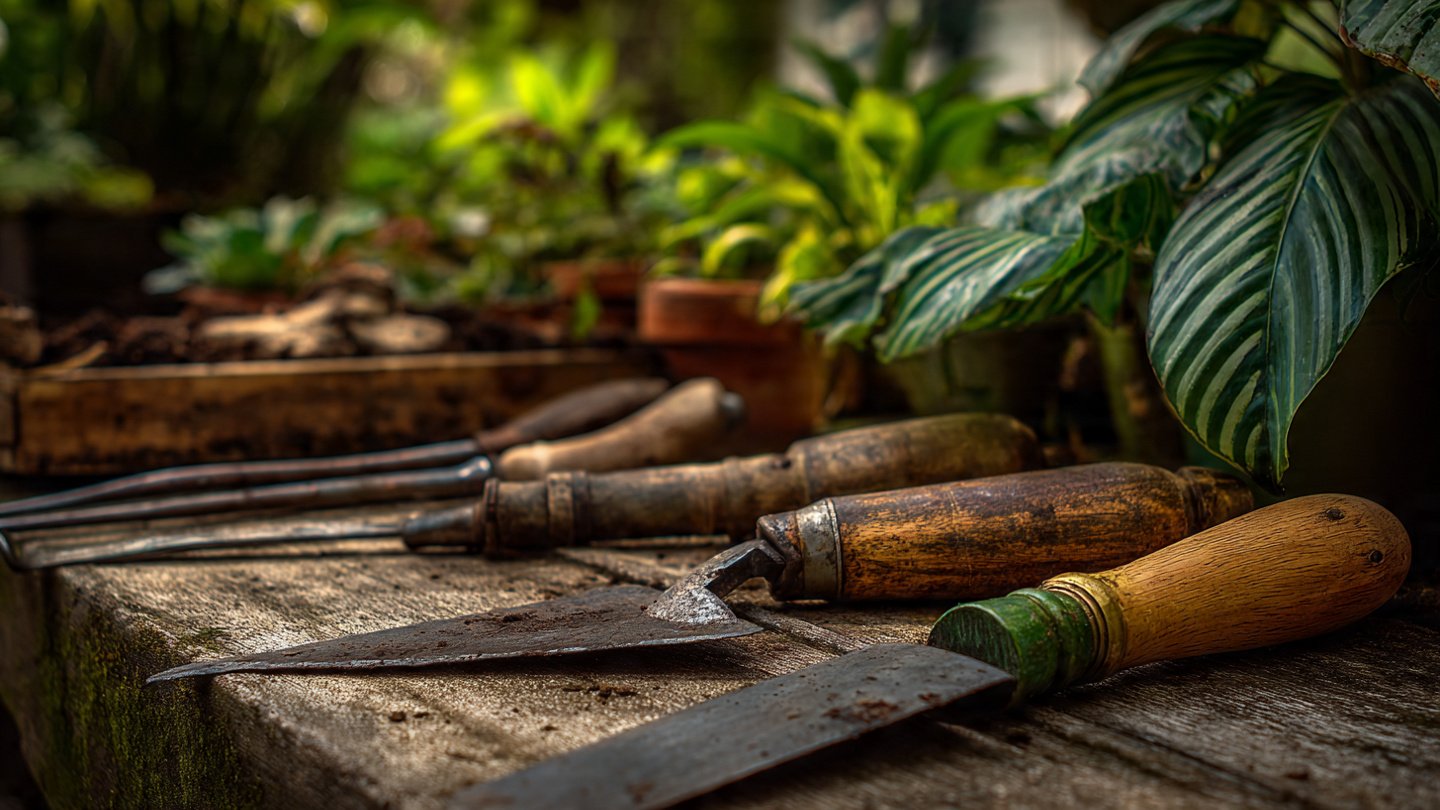
Gardening is a rewarding pastime that allows individuals to connect with nature, grow food, and beautify their surroundings. However, many novice and even experienced gardeners often overlook one significant aspect: the cleanliness and maintenance of garden tools. Garden tools can unknowingly become vectors of disease, transferring pathogens from one plant to another. In this article, we will explore how your garden tools might be causing plant illness, the types of diseases that can be spread through tools, and what you can do to prevent these issues.
Understanding Plant Pathogens
Before delving into how tools can spread illness, it’s essential to understand the types of pathogens that can affect plants:
Latest Posts
- How to Use Invisible Wire for a Stunning Climbing Plant Wall
- How to Style a Small Studio with Columnar Cacti
- Why Is My Zucchini Shaped Like a Lightbulb?
- How to Protect Your Fruit From Birds Without Nets
- How to Keep Squirrels Away from Your Fruit Trees
- How to Protect Your Fruit from Birds Without Nets
- Why Biochar Is a Game-Changer for Your Kitchen Garden
- Why Some Rare Cacti Bloom Only One Night a Year
- How to Grow Rare Blue Strawberries at Home
- How Ants Help Certain Flowers Reproduce
-
Bacteria: These are single-celled organisms that can cause various plant diseases, such as bacterial wilt, soft rot, and blight. They often thrive in warm, moist conditions and can spread rapidly.
-
Fungi: Fungi are a significant cause of many plant diseases, including powdery mildew, root rot, and rust. They reproduce via spores and can linger in the soil or on infected tools.
-
Viruses: Viral infections can weaken plants and stunt their growth. They are often spread through insect vectors but can also be transmitted by contaminated tools.
-
Nematodes: These microscopic roundworms can invade the root systems of plants, leading to stunted growth and poor yields. They can hitch a ride on soil particles stuck to your tools.

How Contaminated Tools Cause Plant Illness
Direct Contact
One of the most straightforward ways garden tools can spread diseases is through direct contact. When you use a tool on an infected plant and then move to a healthy plant without cleaning the tool, you effectively transfer pathogens. For example, pruners can carry fungal spores or bacterial cells from one plant to another, leading to widespread infection.
Soil and Residue
Soil can harbor a vast array of pathogens. When you dig or prune plants, soil particles can cling to your tools. If these particles contain pathogens, the next plant you work on may face the consequences. Even seemingly clean soil might be hiding harmful microorganisms.
Inconsistent Cleaning Practices
Many gardeners may not consider the importance of regularly cleaning their tools. If a tool is used for multiple tasks—such as cutting, digging, or weeding—its surfaces may become contaminated with various pathogens. Failing to clean tools between different gardening tasks amplifies the risk of disease spread.
Seasonal Vulnerabilities
Certain times of the year, such as during periods of heavy rainfall or higher humidity, can create ideal conditions for pathogens to thrive. If tools are not adequately cleaned and sanitized after being used during these times, they may carry an increased load of pathogens into the garden.
Improper Tool Storage
Storing garden tools in damp areas can create a breeding ground for fungal spores and bacteria. Tools left in a shed with poor ventilation may become a reservoir for diseases that can transfer to plants when used again.

The Impact of Plant Diseases
Plant diseases can lead to significant consequences affecting both home gardens and commercial operations. Here are some of the impacts:
-
Reduced Yield: Infected plants often produce fewer and smaller fruits or flowers, diminishing the harvest.
-
Stunted Growth: Illness can inhibit the plant’s growth, leading to a weaker plant unable to withstand environmental stresses.
-
Plant Death: In severe cases, diseases can kill plants, resulting in a complete loss of investment in time, resources, and money.
-
Spread Among Plants: One infected plant can lead to an epidemic in a garden, affecting healthy plants nearby.
-
Economic Loss: For commercial growers, a disease outbreak can result in significant financial losses due to reduced yields and increased costs related to treatments and management.
Common Diseases Spread by Garden Tools
Understanding specific diseases that can be transmitted through tools is critical for developing effective prevention strategies:
-
Powdery Mildew: This fungal disease appears as a white powder on leaves and can spread through infected pruners or other tools not cleaned after use on infected plants.
-
Bacterial Blight: This disease often starts on the edges of leaves and can be transferred via contaminated pruning shears.
-
Root Rot: Fungi that cause root rot can easily be transferred from infected soil on tools, severely impacting root health and overall plant vigor.
-
Tomato Blight: A common ailment in tomato plants, it can be spread through blades that have touched infected leaves.
-
Viral Infections: While often associated with insect vectors, contaminated tools can also be a means of transmission. For example, tools used on infected plants can carry viral particles to healthy plants.
Prevention Strategies

Now that we’ve identified the issues, let’s delve into strategies to mitigate the risk of plant illness caused by garden tools:
1. Regular Cleaning
After each use, wash your tools with soap and water. For stubborn dirt and plant residue, a stiff brush is effective. A solution of one part bleach to nine parts water can sanitize tools after use on diseased plants.
2. Disinfection
When using tools on infected plants, it’s vital to disinfect them before moving on to healthy plants. Soaking in a diluted bleach solution or using specialized garden disinfectants can help kill pathogens.
3. Label and Separate Tools
Consider designating specific tools for particular tasks (e.g., using one set for pruning, another for weeding) to reduce cross-contamination.
4. Proper Storage
Store tools in a dry environment to prevent moisture accumulation. Use hooks or racks to keep tools off the ground and allow for better air circulation.
5. Avoid Overcrowding

Allow adequate spacing between plants to improve airflow and reduce the risk of disease spread, even when tools are involved.
6. Monitor Plant Health
Regularly check your plants for signs of disease. Early identification is crucial in containing infections that could spread via tools.
7. Use Quality Tools
Invest in good-quality tools that are less likely to harbor pathogens due to their material and manufacturing process. Stainless steel is often easier to clean than other materials.
Conclusion
Garden tools are essential for maintaining a thriving garden, but their role in spreading plant diseases is often underestimated. By understanding how tools can be vectors for pathogens and implementing effective prevention strategies, gardeners can minimize the risk of plant illnesses. Keeping tools clean, sanitized, and stored correctly not only protects your plants but also helps create a healthier gardening environment. Remember, a little preventive care can save you significant losses and contribute to a bountiful harvest. Happy gardening!