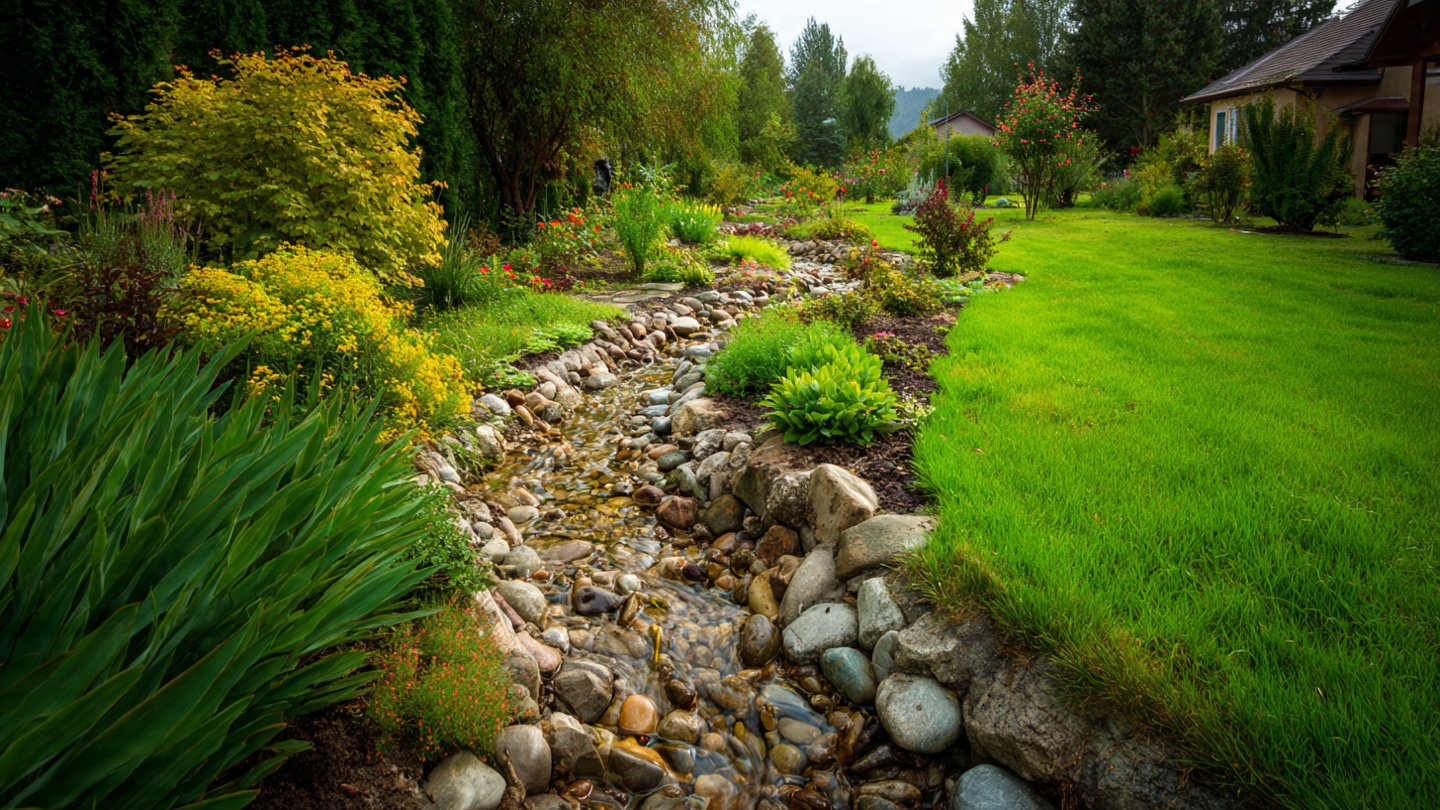
Proper drainage is vital for maintaining a healthy yard. Without effective drainage solutions, issues such as waterlogging, root rot, and soil erosion can occur, leading to unhealthy plants and a less enjoyable outdoor space. In this article, we will explore various drainage solutions to improve yard health, ensuring that your outdoor area thrives throughout the year.
The Importance of Drainage
Understanding why drainage is essential is the first step toward improving yard health. Poor drainage can result in:
Latest Posts
- How to Use Invisible Wire for a Stunning Climbing Plant Wall
- Are Your Garden Tools Making Your Plants Sick?
- How to Style a Small Studio with Columnar Cacti
- Why Is My Zucchini Shaped Like a Lightbulb?
- How to Protect Your Fruit From Birds Without Nets
- How to Keep Squirrels Away from Your Fruit Trees
- How to Protect Your Fruit from Birds Without Nets
- Why Biochar Is a Game-Changer for Your Kitchen Garden
- Why Some Rare Cacti Bloom Only One Night a Year
- How to Grow Rare Blue Strawberries at Home
- Waterlogging: Excess water can drown plant roots, leading to decreased growth or even plant death.
- Soil Erosion: Water accumulation can wash away soil, depleting nutrients and leading to uneven ground.
- Root Rot: Persistent moisture around roots creates conditions for fungal infections and diseases.
- Increased Pests: Standing water attracts pests, creating an unhealthy environment.
Assessing Drainage Issues in Your Yard
Before implementing any drainage solutions, it’s essential to assess your yard’s current drainage situation. Here are some steps to evaluate your drainage:
1. Observe Pooling Water
After a heavy rain, check for puddles or areas where water collects. Note these locations as potential problem spots.

2. Evaluate Soil Type
Different soils have varying drainage capacities. Sandy soils drain quickly, while clay soils retain moisture. Understanding your soil type can help you choose the right solutions.
3. Check for Downhill Flow
Observe the natural slope of your yard. Water flows downhill, so ensure that water is directed away from your home and garden spaces.
Effective Drainage Solutions
Now that you’ve identified drainage issues, consider these effective solutions to improve yard health:
1. French Drains
A French drain is a buried trench filled with gravel or rock, containing a perforated pipe at the bottom. It collects and redirects excess water away from problem areas. Here’s how to install one:
- Choose a location where water collects.
- Dig a trench that slopes away from your home.
- Line the trench with landscape fabric to prevent soil from entering.
- Place the perforated pipe at the bottom, covering it with gravel.

2. Dry Wells
A dry well is a subsurface structure designed to manage stormwater runoff. It allows water to infiltrate into the ground, relieving excess water pressure. To install a dry well:
- Identify a location away from structures.
- Excavate a hole five feet deep and three feet wide.
- Fill the hole with gravel and place a perforated container in the center.
3. Rain Gardens
Rain gardens are shallow depressions planted with native vegetation. They capture rainwater runoff and allow it to percolate into the ground. To create a rain garden:
- Choose a sunny location with good drainage.
- Excavate the area to create a shallow basin.
- Plant native plants that can tolerate wet conditions.

4. Sump Pumps
For areas that experience significant water accumulation, a sump pump can provide an active solution. Sump pumps remove excess water from basements or low-lying areas by pumping it away. Installation involves:
- Installing a basin sump pit in the lowest area of your yard.
- Connecting a pump to the basin that directs water to a drainage area.
5. Grading Your Yard
Proper grading directs water flow away from structures. You can change the landscape by:
- Raising the ground level around your home’s foundation.
- Creating slopes to guide water runoff towards drainage areas.
6. Permeable Paving
Consider using permeable paving materials for patios and driveways. These materials allow water to soak through, reducing surface runoff and promoting groundwater recharge. Options include:
- Porous concrete.
- Permeable pavers.
Maintaining Your Drainage Systems
Once you have implemented drainage solutions, regular maintenance is crucial for long-term effectiveness. Here are some maintenance tips:
- Clear Debris: Regularly check and clean French drains, dry wells, and gutters to prevent clogs.
- Inspect Plants: Ensure that plants in rain gardens do not obstruct water flow.
- Monitor Soil Moisture: Use a moisture meter to assess soil health and adapt irrigation practices.
Conclusion
Implementing effective drainage solutions is essential for maintaining a healthy yard. By assessing your yard’s drainage needs and applying appropriate solutions, you can create an outdoor space that thrives year-round. Whether through French drains, rain gardens, or proper grading, the goal is to encourage proper water flow and enhance the overall health of your plants. Regular maintenance and monitoring will ensure that your drainage systems remain effective, providing a lush and vibrant yard for years to come.
FAQs
1. How do I know if my yard has drainage problems?
If you notice pooling water, soggy soil, or unhealthy plants, your yard may have drainage issues. It’s also helpful to observe after heavy rains and check for standing water.

2. Can I install drainage solutions myself?
Many drainage solutions can be installed as DIY projects, such as French drains and rain gardens. However, complex issues may require professional assistance.
3. How often should I maintain my drainage systems?
Regular maintenance should include checking for clogs and clearing debris at least twice a year, especially before and after rainy seasons.
4. Are there any plants that help with drainage?
Yes! Native plants such as rushes and sedges can thrive in wet conditions and help absorb excess water in rain gardens.
5. Is it expensive to fix drainage issues?
The cost varies based on the solution chosen and the extent of the drainage problem. Simple fixes like installing a French drain can be more budget-friendly, while extensive grading may incur higher costs.