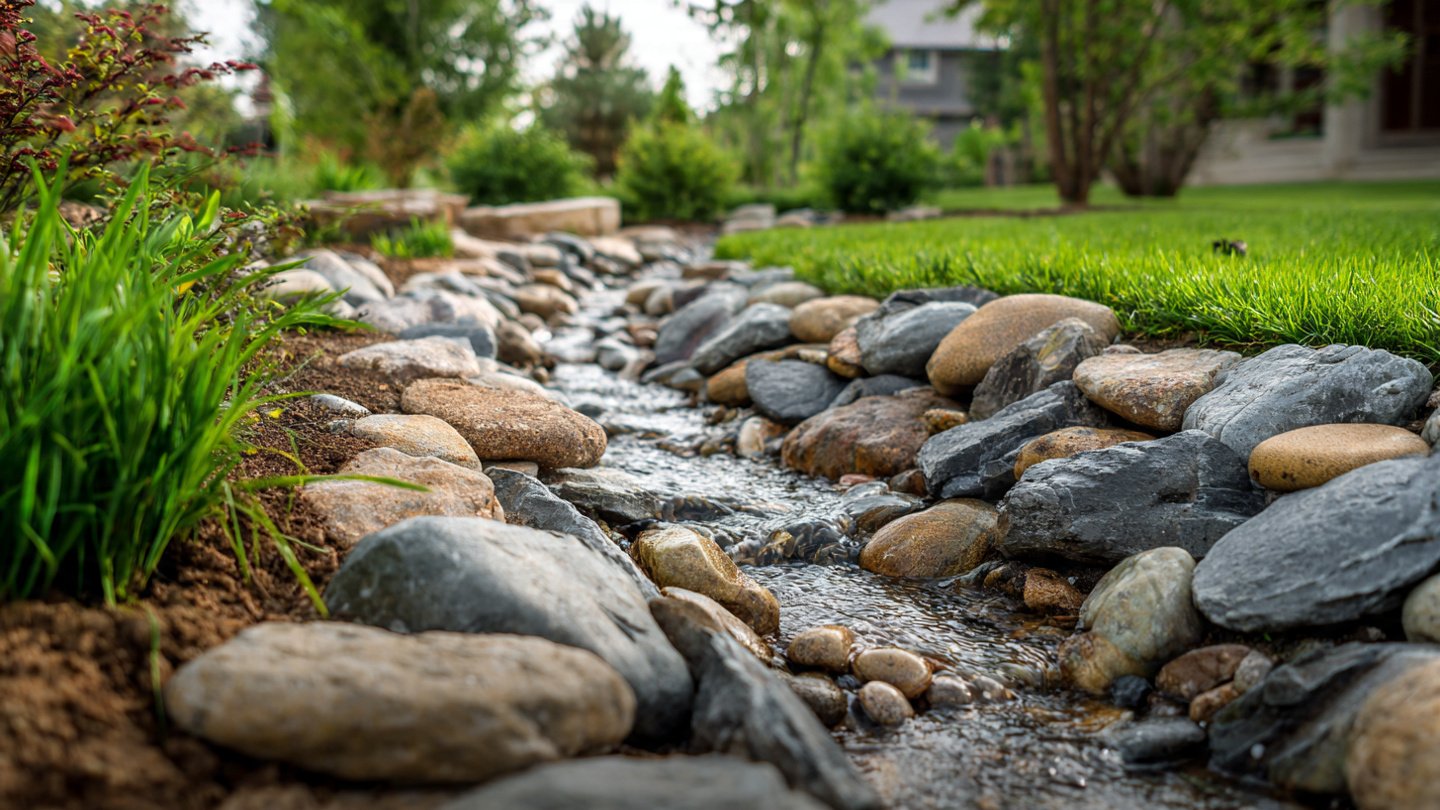
Proper drainage is crucial for maintaining a healthy yard. Poor drainage can lead to various issues, including waterlogged plants, soil erosion, and the proliferation of pests. To ensure that your yard remains vibrant and thriving, it’s essential to implement effective drainage solutions. In this article, we will explore various drainage methods, their benefits, and how to select the right solution for your yard.
Why Drainage Matters
Drainage is the process by which excess water is removed from an area. Effective drainage helps to:
Latest Posts
- How to Use Invisible Wire for a Stunning Climbing Plant Wall
- Are Your Garden Tools Making Your Plants Sick?
- How to Style a Small Studio with Columnar Cacti
- Why Is My Zucchini Shaped Like a Lightbulb?
- How to Protect Your Fruit From Birds Without Nets
- How to Keep Squirrels Away from Your Fruit Trees
- How to Protect Your Fruit from Birds Without Nets
- Why Biochar Is a Game-Changer for Your Kitchen Garden
- Why Some Rare Cacti Bloom Only One Night a Year
- How to Grow Rare Blue Strawberries at Home
- Prevent Water Accumulation: Stagnant water can suffocate roots, causing plants to rot or die.
- Avoid Soil Erosion: Excess moisture can wash away topsoil, reducing soil fertility.
- Control Pest Issues: Standing water is a breeding ground for mosquitoes and other pests.
- Enhance Aesthetic Appeal: A well-drained yard looks better and is more enjoyable to use.
Common Drainage Problems
Before implementing solutions, it’s crucial to understand common drainage problems:
- Low Spots: Areas in the yard where water naturally collects.
- Soil Type: Clay soil retains water, while sandy soil drains quickly.
- Hardscape Features: Driveways, patios, and sidewalks can divert water into unwanted areas.

Effective Drainage Solutions
1. French Drains
A French drain is a trench filled with gravel that directs water away from problem areas. It consists of a perforated pipe that collects water and leads it to a designated drainage area.
- Installation: Dig a trench, lay the pipe, and fill it with gravel, ensuring a slope away from the problem area.
- Benefits: Effective for redirecting water away from foundations and preventing soil erosion.
2. Dry Wells
Dry wells collect runoff water and allow it to percolate back into the soil over time. They are ideal for areas with limited drainage.
- Installation: Dig a deep hole, fill it with stones, and cover it with a grate.
- Benefits: Reduces surface water and helps replenish groundwater.

3. Rain Gardens
Rain gardens are planted depressions designed to collect and absorb rainwater. By using native plants, they also contribute to local biodiversity.
- Installation: Select a low area, dig out a shallow depression, and plant native species.
- Benefits: Enhances aesthetics and improves water infiltration.
4. Swales
Swales are shallow ditches designed to manage water runoff, redirecting it to desired areas.
- Installation: Create a gentle slope and plant vegetation along the sides to absorb water.
- Benefits: Reduces erosion and encourages water infiltration.
5. Soil Amendments
Improving your soil’s structure can enhance drainage. Adding organic materials like compost can increase soil aeration and water permeability.

- Benefits: Helps retain necessary moisture while allowing for excess drainage.
6. Gutter Systems
Properly maintained gutters and downspouts direct roof runoff away from your home’s foundation.
- Installation: Regularly clean gutters and ensure downspouts lead water away from the home.
- Benefits: Prevents water pooling around the foundation.
Choosing the Right Solution
Selecting the best drainage solution depends on several factors:
- Yard Size: Larger yards may require a combination of solutions.
- Soil Type: Understand the drainage capabilities of your existing soil.
- Budget: Solutions range from DIY options to professional installations.

Maintenance Tips
Maintaining your drainage system is essential to keep it effective:
- Regular Inspections: Check for clogs and debris, especially after heavy rains.
- Plant Care: Ensure that plants around drainage areas do not obstruct water flow.
- Seasonal Maintenance: Clean gutters and drains, and check for wear and tear.
Conclusion
Effective drainage solutions are vital to maintaining the health and aesthetics of your yard. Whether you opt for French drains, rain gardens, or other methods, understanding your yard’s unique needs is key. With the right strategies in place, you can ensure that your yard remains healthy, vibrant, and free of drainage-related issues.
FAQs
1. What are the signs of poor drainage in a yard?
Signs include water pooling, soggy soil, and unhealthy or dying plants.

2. How do I know if I need a French drain?
If you notice consistent water accumulation in certain areas after rain, a French drain may be necessary.
3. Can I install drainage solutions myself?
Many solutions, like French drains and rain gardens, can be DIY projects, but complex installations may require professional help.
4. How can I improve drainage in clay soil?
Add organic matter, install perforated pipes, or create swales to help manage water runoff.
5. Is it expensive to improve yard drainage?
Costs vary based on the solution chosen; however, many DIY options can be budget-friendly.