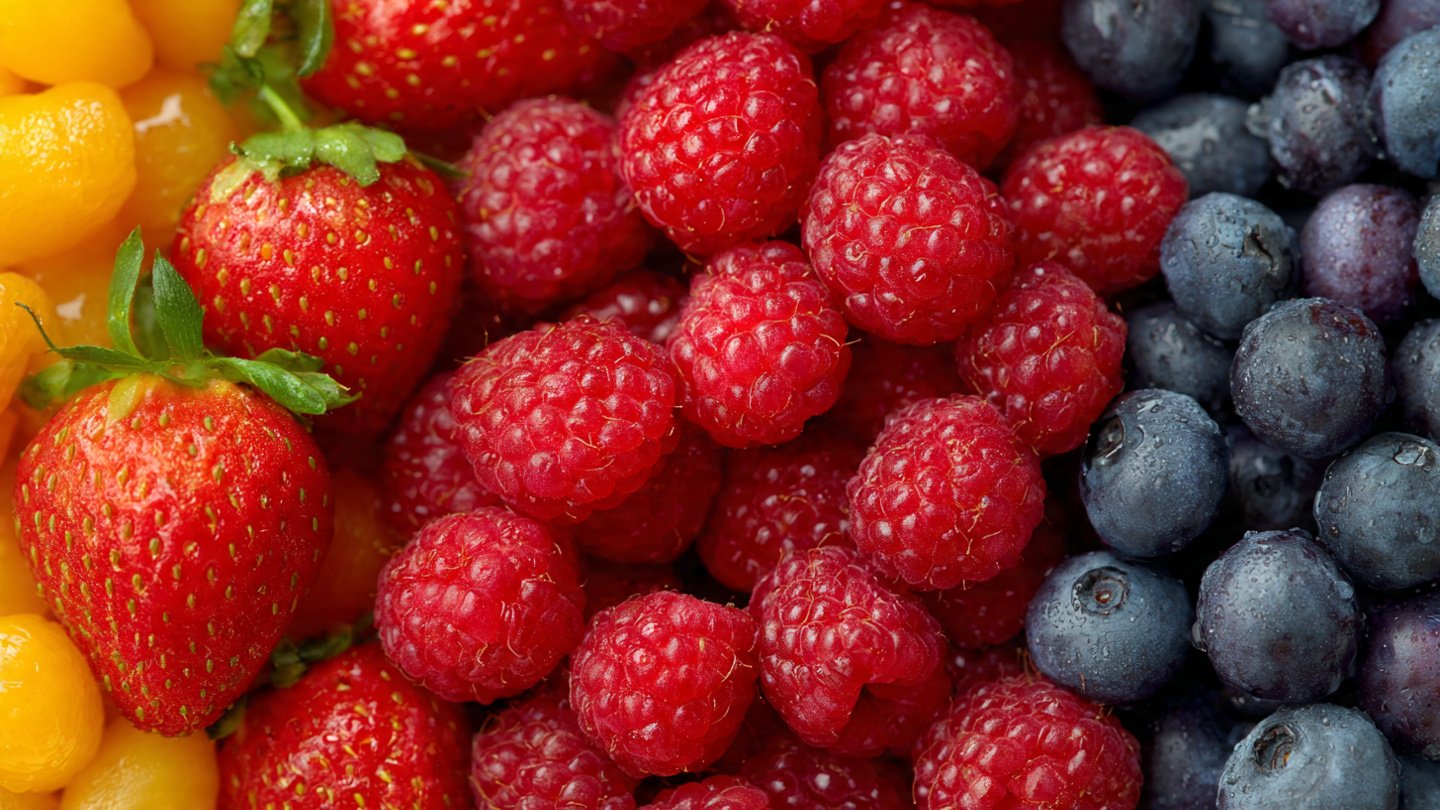
The Impact of Light Exposure on Flavor Quality of Stored Fruits
Introduction
Fruits are not just a source of essential nutrients; their flavor profiles are also crucial in determining consumer acceptance and satisfaction. The sensory attributes of fruits—sweetness, acidity, bitterness, and aroma—are influenced by a multitude of factors, including genetics, cultivation practices, and postharvest handling. Among these, light exposure during storage has emerged as a significant factor affecting flavor quality. This article explores how light exposure impacts the flavor quality of stored fruits and discusses the underlying mechanisms and practical implications for storage and distribution.
The Science of Flavor in Fruits
Latest Posts
- How to Use Invisible Wire for a Stunning Climbing Plant Wall
- Are Your Garden Tools Making Your Plants Sick?
- How to Style a Small Studio with Columnar Cacti
- Why Is My Zucchini Shaped Like a Lightbulb?
- How to Protect Your Fruit From Birds Without Nets
- How to Keep Squirrels Away from Your Fruit Trees
- How to Protect Your Fruit from Birds Without Nets
- Why Biochar Is a Game-Changer for Your Kitchen Garden
- Why Some Rare Cacti Bloom Only One Night a Year
- How to Grow Rare Blue Strawberries at Home
Flavor is a complex sensory experience derived from taste and aroma. Taste results from chemical compounds interacting with taste buds on the tongue, while aroma emanates from volatile compounds released from the fruit. Key flavor components in fruits include sugars, organic acids, and volatile aroma compounds. The ratio of these components can vary significantly based on several factors, particularly the conditions under which the fruit is harvested, stored, and exposed to light.
Key Flavor Compounds in Fruits
-
Sugars: Generally, the sweetness of fruit is primarily attributable to fructose, glucose, and sucrose. Sugar content is influenced by the ripening process, which can be affected by light exposure.
-
Organic Acids: Compounds such as citric acid and malic acid contribute to a fruit’s tartness. The balance between sugars and acids is crucial for overall flavor perception.
-
Volatile Aroma Compounds: These compounds are responsible for the distinct aromas of fruits and significantly contribute to flavor. Light exposure can affect the production and degradation of these volatiles.
The Impact of Light on Flavor Development

Photosynthesis and Ripening
In many fruits, exposure to light promotes photosynthesis, which is crucial for the development of sugars and organic compounds. However, once fruits are harvested, their interaction with light changes significantly. For some fruits, the absence of sunlight can limit the production of these flavor compounds, leading to less flavorful outcomes.
-
Sunlight Exposure: Fruits that continue to receive light may undergo changes in the ripening process, leading to increased sugar levels and the development of aromatic compounds.
-
Artificial Lighting: The type and intensity of artificial light can also play a significant role in flavor development during storage.
Degradation of Flavor Compounds
While light can enhance flavor development, excessive exposure can lead to degradation. Ultraviolet (UV) and visible light can break down sensitive flavor compounds, resulting in a loss of flavor quality.
-
Loss of Volatile Aroma Compounds: Many volatile compounds are sensitive to light. For example, UV light can accelerate the breakdown of terpenes and esters, which are crucial for the characteristic aroma of fruits.
-
Oxidation: Light exposure can promote oxidation reactions, leading to the loss of desirable flavor components and potentially creating off-flavors.

Case Studies: Fruit-Specific Responses to Light Exposure
Tomatoes
Tomatoes are a prime example where light exposure significantly affects flavor. Research has shown that tomatoes exposed to light during storage maintain better flavor profiles, with higher sugar content and increased aroma compounds compared to those kept in the dark.
-
Effect of Light Intensity: Studies indicate that tomatoes stored under low-intensity light conditions exhibit improved flavor compared to those stored in complete darkness.
-
Color Development: Light not only enhances flavor but also aids in color development, which can influence consumer perception of flavor.
Strawberries
Strawberries, known for their bright flavor, also exhibit changes in flavor profile due to light exposure.
-
Ripening Process: Light exposure during storage has been shown to enhance the accumulation of sugars and improve overall flavor quality.
-
Impact of Storage: Strawberries stored in dark conditions may develop a bland taste, lacking the characteristic sweetness and aroma.

Mechanisms Behind Light-Induced Flavor Changes
Understanding how light affects flavor quality involves delving into biological and chemical mechanisms.
-
Photosensory Regulation: Fruits have a sensory system that responds to light, influencing gene expression related to flavor compound production. The proteins involved in this response can enhance the accumulation of sugars and aromatic compounds.
-
Phytochromes: These light-sensitive proteins play a crucial role in regulating ripening and flavor compound synthesis. They can modulate various metabolic pathways, leading to changes in sugar and acid levels.
-
Secondary Metabolism: Light exposure can stimulate secondary metabolic processes that generate flavor compounds. For example, the synthesis of flavonoids and carotenoids, which contribute to taste and aroma, can be enhanced by light.
Practical Implications for Storage and Distribution
Given the impact of light on flavor quality, it’s crucial for growers, distributors, and retailers to adopt practices that maintain fruit quality throughout the supply chain.
Storage Conditions
-
Optimal Lighting: Utilizing low-intensity, full-spectrum lighting during storage must be examined. Controlled environments where light exposure can be managed may enhance flavor while preventing degradation.
-
Dark Storage Protocols: For fruits sensitive to light degradation, such as strawberries, maintaining dark storage conditions may be beneficial.

Packaging Innovations
Innovative packaging solutions that can control light exposure may also enhance flavor preservation.
-
Opaque Packaging: Using opaque materials can protect fruits from light-induced degradation while still allowing for air circulation to manage respiration rates.
-
Smart Packaging: Technologies that include light filtering or alteration properties can be designed to provide optimal storage environments that favor flavor retention.
Consumer Perception and Market Trends
Consumer preferences are also shifting towards fruits with superior flavor quality. Educating consumers about how storage conditions influence flavor can enhance appreciation for quality fruits.
-
Labeling and Marketing: Highlighting light exposure practices can serve as a marketing point, differentiating products in a competitive marketplace.
-
Sustainability Considerations: As consumers grow increasingly aware of sustainability, practices that enhance flavor through thoughtful storage can also contribute to reducing food waste.

Conclusion
The interplay between light exposure and flavor quality in stored fruits is a multifaceted issue that warrants careful attention from producers and retailers alike. Understanding how different light conditions impact flavor development and degradation is critical for preserving the sensory attributes that consumers value. With continued research and innovation in storage practices and packaging technologies, it is possible to enhance the flavor quality of fruits, contributing to improved consumer satisfaction and reduced food waste. As the industry continues to evolve, keeping flavor at the forefront of fruit storage strategies will be essential for success.
References
- Kader, A. A. (2005). Avocado. In: Postharvest Technology of Horticultural Crops.
- Lu, S., et al. (2016). Effects of Light Exposure on Tomato Flavor. Journal of Agricultural and Food Chemistry.
- Zhang, D., et al. (2018). Impact of Light Conditions on Strawberry Quality. Postharvest Biology and Technology.
This comprehensive examination illustrates how integral light exposure is in maintaining the flavor quality of stored fruits, promoting better practices in postharvest handling and storage that align with consumer preferences for flavor excellence.