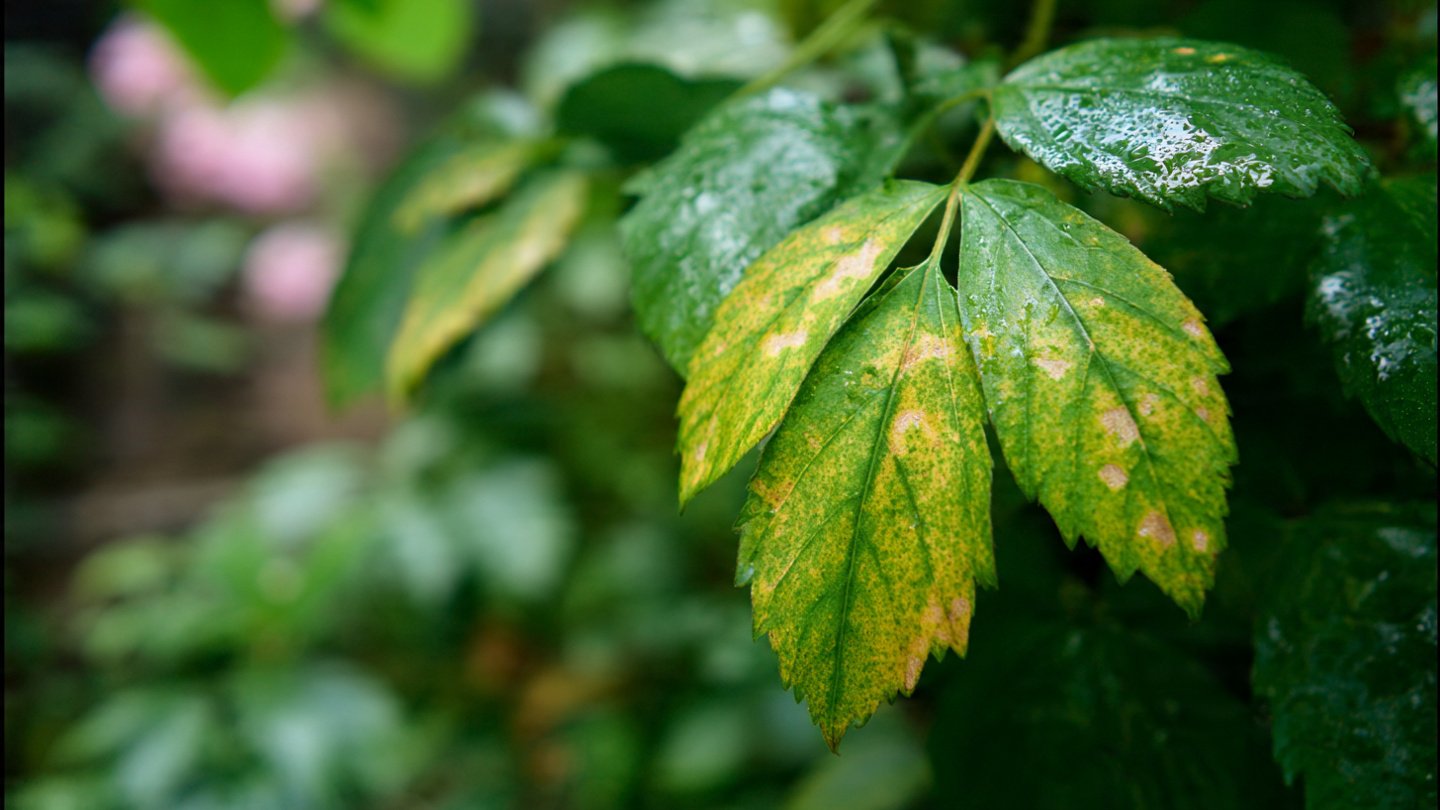
Leaf discoloration is a common condition that can significantly affect plants, indicative of a variety of underlying issues. Rapid leaf discoloration can result from environmental stress, nutrient deficiencies, pests, or diseases. Understanding the causes and effects of this phenomenon can empower gardeners and plant enthusiasts to act quickly and effectively, minimizing potential damage.
Causes of Rapid Leaf Discoloration
1. Environmental Stress
Latest Posts
- How to Use Invisible Wire for a Stunning Climbing Plant Wall
- Are Your Garden Tools Making Your Plants Sick?
- How to Style a Small Studio with Columnar Cacti
- Why Is My Zucchini Shaped Like a Lightbulb?
- How to Protect Your Fruit From Birds Without Nets
- How to Keep Squirrels Away from Your Fruit Trees
- How to Protect Your Fruit from Birds Without Nets
- Why Biochar Is a Game-Changer for Your Kitchen Garden
- Why Some Rare Cacti Bloom Only One Night a Year
- How to Grow Rare Blue Strawberries at Home
Plants often react to changes in their environment, leading to rapid leaf discoloration. Key environmental stressors include:
- Drought: Insufficient water supply can cause leaves to turn yellow and drop prematurely.
- Flooding: Excess water can suffocate roots and result in nutrient uptake issues, producing discoloration.
- Temperature Extremes: Sudden changes in temperature, such as frost or excessive heat, can stress leaves and lead to discoloration.
2. Nutrient Deficiencies
Nutrients are vital for plant health, and deficiencies can lead to noticeable changes in leaf color:
- Nitrogen Deficiency: Typically results in yellowing leaves, especially older ones, as nitrogen is a crucial component of chlorophyll.
- Iron Deficiency: Causes yellowing between the veins of new leaves while the veins themselves remain green.
- Magnesium Deficiency: Can lead to interveinal chlorosis, appearing as yellowing between the veins of older leaves.

3. Pests
Insect infestations can lead to various forms of leaf discoloration. Common pests include:
- Aphids: These small insects extract sap from plants, causing yellowing leaves.
- Spider Mites: Characterized by fine webbing, they can cause stippling and discoloration of leaves.
- Whiteflies: These pests also suck sap and can lead to yellowing and wilting leaves.
4. Diseases
Fungal, bacterial, and viral infections are prevalent causes of leaf discoloration:
- Fungal Infections: Conditions like powdery mildew can lead to white patches and subsequent yellowing of leaves.
- Bacterial Spot: Often manifests as dark spots on the leaves, causing discoloration and potentially leading to leaf drop.
- Viral Infections: Can cause mottled or streaked discoloration, often accompanied by stunted growth.

Effects of Rapid Leaf Discoloration
The effects of rapid leaf discoloration extend beyond aesthetics, affecting the overall health of plants and ecosystems:
1. Impact on Plant Health
Discoloration often signals stress or poor health, which can stunt growth or result in leaf drop. Over time, failing to address the underlying causes can lead to plant decline or death.
2. Aesthetic Value
For gardeners and landscapers, rapid leaf discoloration can diminish the visual appeal of plants, affecting landscape designs and garden aesthetics.
3. Productivity Loss
In agricultural settings, crops displaying rapid leaf discoloration may yield lower harvests due to reduced photosynthetic efficiency and overall weak plant vigor.
4. Ecosystem Disruption

Discoloration can affect local ecosystems, as unhealthy plants can impact insects, birds, and other wildlife dependent on healthy plant life for food and habitat.
Strategies for Diagnosis and Management
Understanding the causes of rapid leaf discoloration is the first step; management strategies are crucial for addressing the problem effectively:
1. Regular Monitoring
Regularly inspecting plants, including a close examination of leaves, can help detect early signs of discoloration and associated causes, allowing for timely intervention.
2. Soil Testing
Conducting a soil test can reveal nutrient deficiencies or imbalances. Adjusting soil pH and adding the necessary nutrients can restore plant health.
3. Pest Control
Identifying pests is essential. Integrated Pest Management (IPM) combines biological, cultural, and chemical controls to manage pest populations effectively.
4. Proper Watering Practices
Understanding a plant’s water requirements can help prevent both overwatering and drought stress. Utilizing mulch can help retain soil moisture.
5. Disease Prevention
Implementing good cultural practices, such as crop rotation and adequate spacing to enhance air circulation, can prevent the growth of pathogens that cause leaf discoloration.
Conclusion
Rapid leaf discoloration serves as an indicator of various issues that can significantly affect plant health. By understanding the causes—ranging from environmental stressors to nutrient deficiencies, pests, and diseases—gardeners and horticulturists can take effective measures to manage and mitigate these problems. Early detection and intervention are essential in preserving the aesthetic and ecological values of plants. By adopting monitoring, testing, and appropriate management strategies, it is possible to maintain healthy and vibrant plant life.
FAQs
1. What are the early signs of leaf discoloration?
Early signs often include yellowing of leaves, spotting, wilting, or curling. Monitoring these symptoms can help in early diagnosis of underlying issues.
2. Can leaf discoloration be reversed?
In many cases, if the underlying issue is addressed promptly—such as correcting nutrient deficiencies or managing pests—leaf discoloration can be reversed, and new healthy growth can occur.
3. Is leaf discoloration more common in certain plants?
While all plants can experience leaf discoloration, some species are more susceptible due to their specific growing conditions and care requirements. Regular monitoring helps manage this.
4. How can I improve soil health to prevent discoloration?
Improving soil health can be achieved through regular organic matter additions, maintaining pH levels, and ensuring the right nutrient balance through soil testing.
5. When should I consult a professional?
If rapid leaf discoloration is widespread or associated with other symptoms, consulting a professional, such as a horticulturist or plant pathologist, may be necessary for proper diagnosis and treatment.