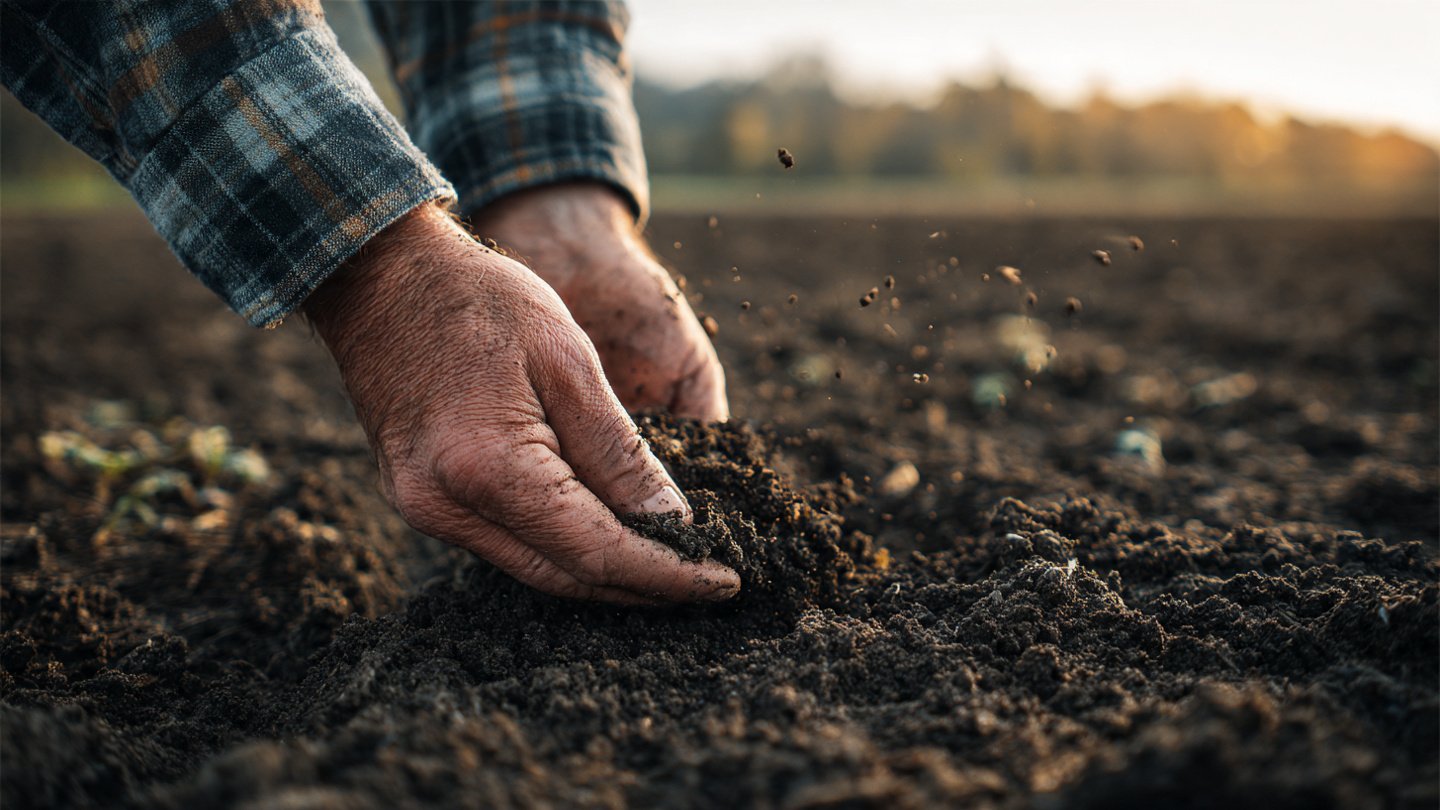
The intricate relationship between soil characteristics and agricultural practices is crucial for promoting sustainable farming. As the global population continues to rise, the demand for food increases exponentially. This necessitates a re-evaluation of farming methods to balance productivity with environmental stewardship. Understanding soil details can lead to innovative practices that enhance soil health, boost crop yields, and minimize ecological impact. This article explores how soil characteristics transform agricultural practices for sustainable farming.
The Importance of Soil Health
Soil health is a critical component of sustainable agriculture. Healthy soil supports plant life, improves nutrient cycling, and enhances water retention, all of which are essential for agricultural productivity. Soil is not just the foundation for crops; it is a dynamic ecosystem teeming with microbial life that contributes to nutrient availability and soil structure.
Key Soil Characteristics Affecting Agriculture
- Soil Texture: The proportion of sand, silt, and clay in soil defines its texture, which influences aeration, drainage, and nutrient retention.
- Soil pH: This measures the acidity or alkalinity of the soil and affects nutrient availability. Most crops prefer a pH between 6.0 and 7.5.
- Organic Matter: Incorporating organic matter improves soil fertility, structure, and moisture retention while also fostering beneficial microbes.
- Nutrient Content: Essential nutrients such as nitrogen, phosphorus, and potassium must be balanced for optimal plant growth.
- Microbial Activity: A rich microbial community promotes soil health by aiding in decomposition and nutrient cycling.
Innovative Practices Driven by Soil Details
As farmers gain insights into soil details, they can adopt innovative practices that lead to more sustainable agricultural systems. Here are a few noteworthy approaches:

1. Precision Agriculture
Precision agriculture employs technology to monitor soil and crop conditions. By using sensors and satellite imagery, farmers can identify specific areas that require attention. This detailed understanding allows for targeted interventions, such as tailored fertilizer applications, which enhance productivity while reducing waste and environmental degradation.
2. Cover Cropping
Planting cover crops during off-seasons helps improve soil structure, reduce erosion, and enhance nutrient availability. Cover crops also support beneficial microorganisms, which contribute to soil health. Farmers who adopt this practice report improved yields and reduced reliance on chemical fertilizers.
Latest Posts
- How to Use Invisible Wire for a Stunning Climbing Plant Wall
- Are Your Garden Tools Making Your Plants Sick?
- How to Style a Small Studio with Columnar Cacti
- Why Is My Zucchini Shaped Like a Lightbulb?
- How to Protect Your Fruit From Birds Without Nets
- How to Keep Squirrels Away from Your Fruit Trees
- How to Protect Your Fruit from Birds Without Nets
- Why Biochar Is a Game-Changer for Your Kitchen Garden
- Why Some Rare Cacti Bloom Only One Night a Year
- How to Grow Rare Blue Strawberries at Home
3. No-Till Farming
No-till farming preserves soil structure and minimizes disturbance, enhancing soil health. This technique reduces erosion, improves water retention, and promotes a diverse microbial ecosystem. By keeping soil intact, nutrients remain more accessible to crops, leading to better harvests.

4. Organic Farming
The focus on organic matter in soil management encourages the use of compost, green manure, and other organic fertilizers. This practice not only enriches the soil but also fosters a vibrant ecosystem that reduces the need for chemical inputs. Organic farming leads to healthier crops, better soil structure, and reduced environmental impact.
The Role of Technology in Soil Management
Advancements in technology have revolutionized the way farmers interact with soil. Tools such as soil moisture sensors, drones, and geographic information systems (GIS) provide real-time data that facilitate informed decision-making. With accurate insights into soil health and moisture levels, farmers can optimize their irrigation practices, apply fertilizers more efficiently, and monitor overall crop health.
Benefits of Sustainable Practices
Implementing sustainable agricultural practices grounded in soil science yields numerous benefits:

- Enhanced Crop Yields: Healthy soils lead to robust plant growth and improved crop productivity.
- Environmental Protection: Sustainable practices reduce pollution and conserve natural resources, such as water and biodiversity.
- Economic Viability: By reducing the reliance on synthetic inputs and improving yields, farmers enhance their profitability.
- Climate Resilience: Soil health contributes to increased resilience against climate change, helping farmers adapt to extreme weather conditions.
Challenges in Soil Management
Despite the clear advantages of focusing on soil health, several challenges confront farmers:
- Knowledge Gap: Many farmers lack access to information regarding soil health and sustainable practices.
- Upfront Costs: Transitioning to sustainable methods can require significant upfront investment that may deter some farmers.
- Climate Variability: Unpredictable weather patterns may complicate the implementation of soil management strategies.
Conclusion
The transformation of agricultural practices through a focus on soil details is not only a necessity for sustainable farming but a pathway to a more resilient agricultural system. By understanding and managing soil health, farmers can improve crop yields, ensure environmental stewardship, and foster economic viability. As we move towards a future with increasing food demands, prioritizing the health of our soils will be essential in meeting these challenges sustainably.
FAQs
1. Why is soil health important for agriculture?
Soil health is vital as it supports plant growth, improves nutrient cycling, enhances water retention, and contributes to a balanced ecosystem, all of which are essential for sustainable food production.

2. What are some effective practices for improving soil health?
Effective practices include cover cropping, no-till farming, organic farming, and precision agriculture, each of which focuses on enhancing soil structure and nutrient availability.
3. How does technology play a role in soil management?
Technology, such as soil sensors and GIS, provides real-time data that help farmers monitor soil health, optimize resource use, and make informed decisions for better crop management.
4. What are the challenges in implementing sustainable agricultural practices?
Challenges include knowledge gaps among farmers, high upfront costs for transitioning to sustainable methods, and climate variability affecting farming conditions.

5. How do sustainable practices benefit the environment?
Sustainable practices reduce pollution, conserve natural resources, protect biodiversity, and contribute to climate resilience, helping promote a healthier ecosystem overall.