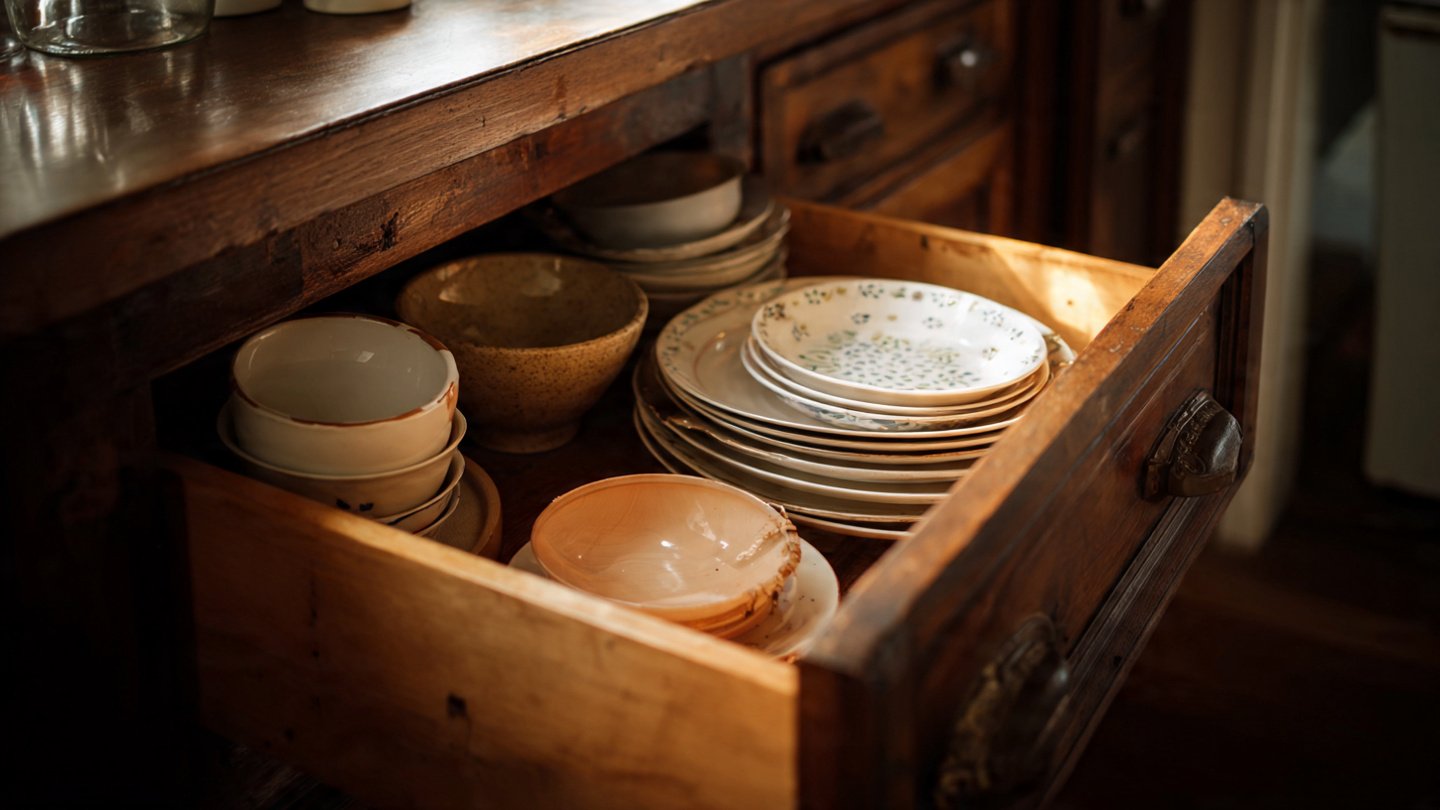
Understanding Stale Smells
Stale smells in kitchen drawers can transform your cooking haven into an unpleasant environment. These odors can arise from various sources and understanding them is crucial to maintaining a fresh aroma in your kitchen. This article explores the common causes of stale smells in kitchen drawers and provides helpful solutions.
The Environment of Kitchen Drawers
Kitchen drawers often store a plethora of items, from utensils and cutlery to food items and cooking supplies. The confined space, combined with moisture and food remnants, creates the perfect breeding ground for odors to develop. Furthermore, the lack of airflow can exacerbate the smell, causing it to linger.
Common Causes of Stale Smells
- Food Residue: One of the primary culprits of stale smells is food residue left behind. Small particles of food can get trapped in crevices, attracting moisture and mold.
- Moisture: Excess moisture from damp dishcloths or spills can lead to mold and mildew, which contribute significantly to unwanted smells.
- Pests: Insects, particularly pantry moths or small rodents, can leave behind droppings and detritus that create a foul odor.
- Expired or Spoiled Items: Items such as spices, oils, and condiments can go bad over time, releasing stale odors into surrounding areas.
- Wood Composition: Certain drawer materials, particularly untreated wood, can absorb odors over time, adding to the stale smells.
Identifying the Source
The first step in addressing stale smells in your kitchen drawers is to identify the source. This requires a systematic approach:

- Clear the Drawer: Start by removing all items from the drawer. This allows for a thorough inspection and cleaning.
- Inspect for Food Residue: Look for crumbs, spills, or food containers that may have leaked. Pay attention to corners and crevices.
- Check for Moisture: If the drawer feels damp or if there are any visible signs of mold or mildew, it is essential to address the moisture issue.
- Look for Pests: Inspect for any signs of pest activity, such as droppings or webs.
- Assess Expired Items: Go through any food items, checking for expiration dates or signs of spoilage.
Cleaning Solutions
Once you have pinpointed the source of the stale smells, it’s time to clean the drawer thoroughly:
Materials Needed:
- Warm soapy water
- Vinegar
- Essential oils (optional)
- Baking soda
- Soft cloths or sponges
Steps to Clean:
- Wash the Drawer: Use warm soapy water to wash the inside of the drawer. Pay attention to corners and edges.
- Use Vinegar: Wipe down the surfaces with a solution of equal parts vinegar and water. This will help neutralize odors.
- Eliminate Remaining Odors: For persistent smells, sprinkle baking soda inside the drawer and let it sit overnight. Baking soda absorbs odors effectively.
- Dry Completely: Allow the drawer to dry completely before replacing items to prevent mold from developing.
- Optional – Add Essential Oils: For a pleasant scent, consider adding a few drops of essential oil to a cotton ball and placing it in the drawer.
Preventing Stale Smells
After addressing and cleaning the stale smells, it’s important to take proactive measures to prevent their return:
Latest Posts
- How to Use Invisible Wire for a Stunning Climbing Plant Wall
- Are Your Garden Tools Making Your Plants Sick?
- How to Style a Small Studio with Columnar Cacti
- Why Is My Zucchini Shaped Like a Lightbulb?
- How to Protect Your Fruit From Birds Without Nets
- How to Keep Squirrels Away from Your Fruit Trees
- How to Protect Your Fruit from Birds Without Nets
- Why Biochar Is a Game-Changer for Your Kitchen Garden
- Why Some Rare Cacti Bloom Only One Night a Year
- How to Grow Rare Blue Strawberries at Home
- Avoid Stopping Food in Drawers: Consider limiting or eliminating the storage of food items in drawers.
- Use Airtight Containers: If food storage is necessary, ensure items are kept in airtight containers to avoid spills and contamination.
- Regularly Clean Drawers: Schedule regular cleaning of drawers to maintain a fresh environment.
- Ensure Good Ventilation: Keep kitchen windows open when weather permits to promote airflow and reduce moisture levels.
- Use Moisture Absorbers: Consider using moisture-absorbing products like silica gel packets or activated charcoal in and around drawers.
Conclusion
Stale smells in kitchen drawers can be unpleasant and may lead to a less inviting cooking environment. By understanding common causes and implementing effective cleaning and preventive measures, you can maintain fresh-smelling drawers and a pleasant kitchen atmosphere. Regular checks and maintenance will not only keep your kitchen smelling great but also ensure a hygienic space for food preparation.

FAQs
1. How often should I clean my kitchen drawers?
It’s advisable to clean your kitchen drawers at least once every three months. However, if you notice any stale smells or spills, cleaning them immediately is essential.
2. What should I do if I find pests in my kitchen drawers?
If you find pests, remove all items and dispose of contaminated goods. Clean the area thoroughly and consider contacting a pest control professional if the issue persists.
3. Can I use bleach to clean my drawers?
While bleach can disinfect surfaces, it may not effectively eliminate odors. It’s best to use vinegar and baking soda, which are more natural and environment-friendly options.

4. How can I prevent moisture buildup in kitchen drawers?
To prevent moisture, store items in breathable containers, use moisture absorbers, and ensure good ventilation in your kitchen.
5. Are there any products specifically designed for odor removal in cabinets?
Yes, various commercial products target odors specifically in cabinets and drawers. Look for those containing activated charcoal or baking soda for effective results.