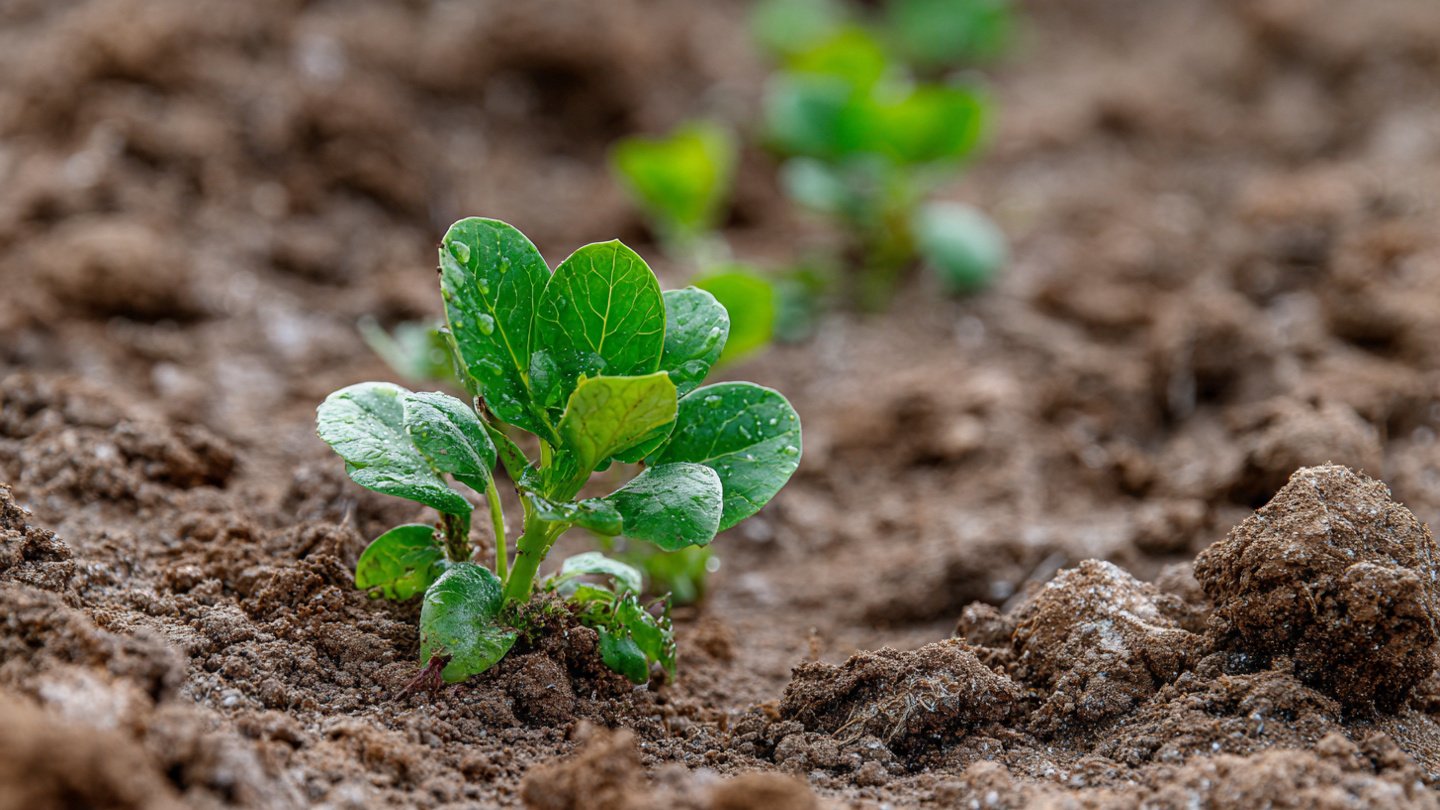
Soil is a vital natural resource that supports plant life, but increasing agricultural and industrial activities have led to significant soil depletion worldwide. Soil depletion refers to the degradation of soil quality, primarily due to nutrient loss. This not only affects agriculture but also has far-reaching impacts on ecosystems and human health. In this article, we will explore how soil depletion affects plant growth and health, the causes behind it, and potential solutions to mitigate its effects.
Understanding Soil Depletion
Soil depletion can be described as a decrease in the soil’s ability to sustain plant life. It occurs primarily due to various human activities, including the excessive use of chemical fertilizers, pesticides, and unsustainable agricultural practices. Over time, this results in diminishing soil fertility and reduced agricultural productivity.
Latest Posts
- How to Use Invisible Wire for a Stunning Climbing Plant Wall
- Are Your Garden Tools Making Your Plants Sick?
- How to Style a Small Studio with Columnar Cacti
- Why Is My Zucchini Shaped Like a Lightbulb?
- How to Protect Your Fruit From Birds Without Nets
- How to Keep Squirrels Away from Your Fruit Trees
- How to Protect Your Fruit from Birds Without Nets
- Why Biochar Is a Game-Changer for Your Kitchen Garden
- Why Some Rare Cacti Bloom Only One Night a Year
- How to Grow Rare Blue Strawberries at Home
Causes of Soil Depletion
The primary causes of soil depletion are:
- Intensive Agriculture: Continuous cropping and monoculture deplete specific nutrients in the soil, leading to nutrient imbalance.
- Chemical Fertilizers and Pesticides: While they can enhance short-term soil productivity, their long-term use harms the microbial communities essential for nutrient cycling.
- Erosion: Water and wind erosion wash away topsoil, which is rich in organic matter and nutrients necessary for plant growth.
- Deforestation: Removing trees disrupts the natural nutrient cycling and can lead to nutrient-poor soil.
- Urbanization: Construction and development lead to soil compaction and loss of arable land.

The Role of Nutrients in Plant Growth
Essential nutrients, including nitrogen, phosphorus, potassium, and trace minerals, play critical roles in plant growth and development. Each nutrient contributes uniquely to various physiological processes:
- Nitrogen (N): Crucial for leaf growth and photosynthesis.
- Phosphorus (P): Supports root development and energy transfer within the plant.
- Potassium (K): Aids in water regulation and improves overall plant resilience.
Effects of Soil Depletion on Plant Growth and Health
Nutrient Deficiency
As soil quality declines, the availability of essential nutrients decreases, leading to a variety of problems for plants, including:

- Poor Growth: Nutrient deficiency stunts growth and reduces crop yields.
- Weak Root Systems: Insufficient nutrients hinder root development, making plants more susceptible to drought and diseases.
- Yellowing Leaves: Nitrogen deficiency often leads to chlorosis, causing leaves to turn yellow.
Increased Susceptibility to Diseases and Pests
Plants grown in depleted soils are often weaker and more vulnerable to diseases and pests. A lack of nutrients impairs their natural defenses:
- Reduced Resistance: Weaker plants are less equipped to fight off diseases.
- Pest Infestation: Nutrient-deficient plants can attract more pests, exacerbating the problem.
Impact on Crop Quality
Soil depletion adversely affects the quality of crops, influencing their nutritional value:

- Reduced Vitamins and Minerals: Depleted soils lead to lower nutritional content in crops, affecting human health.
- Taste and Flavor: Nutritional imbalance can alter the flavor profile, making crops less appealing.
Long-term Consequences
The long-term effects of soil depletion extend beyond individual plants to influence entire ecosystems and human well-being:
- Food Security: Reduced agricultural productivity threatens food supplies and increases hunger rates.
- Ecosystem Disruption: Weakened plant communities lead to loss of biodiversity and disrupt local ecosystems.
- Economic Impact: Farmers may face declining yields and increased costs for fertilizers and pest control, affecting their livelihoods.
Mitigating the Effects of Soil Depletion
Addressing soil depletion requires a multi-faceted approach that encourages sustainable practices:

- Crop Rotation: Alternating crops can help restore nutrient balance and reduce pest populations.
- Organic Farming: Utilizing natural fertilizers (e.g., compost, manure) can replenish soil nutrients.
- Cover Crops: Planting cover crops can prevent erosion and enhance soil health.
- No-Till Farming: Minimizing soil disturbance preserves soil structure and ecosystem health.
- Education and Awareness: Informing farmers about sustainable practices can lead to better soil management.
Conclusion
Soil depletion is a significant threat to plant growth and agricultural health. The consequences can ripple through ecosystems and communities, emphasizing the importance of sustainable practices in agriculture. By understanding the causes and effects of soil depletion, as well as implementing effective strategies for soil management, we can help ensure a stable and productive future for our planet’s agricultural systems. Protecting and restoring soil health is essential for maintaining biodiversity, supporting food security, and safeguarding human health.
FAQs
1. What are the signs of soil depletion?
Signs of soil depletion include poor plant growth, yellowing leaves, low crop yields, and increased susceptibility to diseases and pests.

2. How can I improve soil health in my garden?
You can improve soil health by adding organic matter such as compost, practicing crop rotation, and using cover crops to prevent erosion.
3. Is soil depletion reversible?
Yes, soil depletion can be reversed through sustainable practices like organic farming, reduced tillage, and nutrient replenishment.
4. How does soil depletion affect food security?
Soil depletion reduces agricultural productivity, leading to lower food supplies and increased hunger rates, posing a significant challenge to global food security.