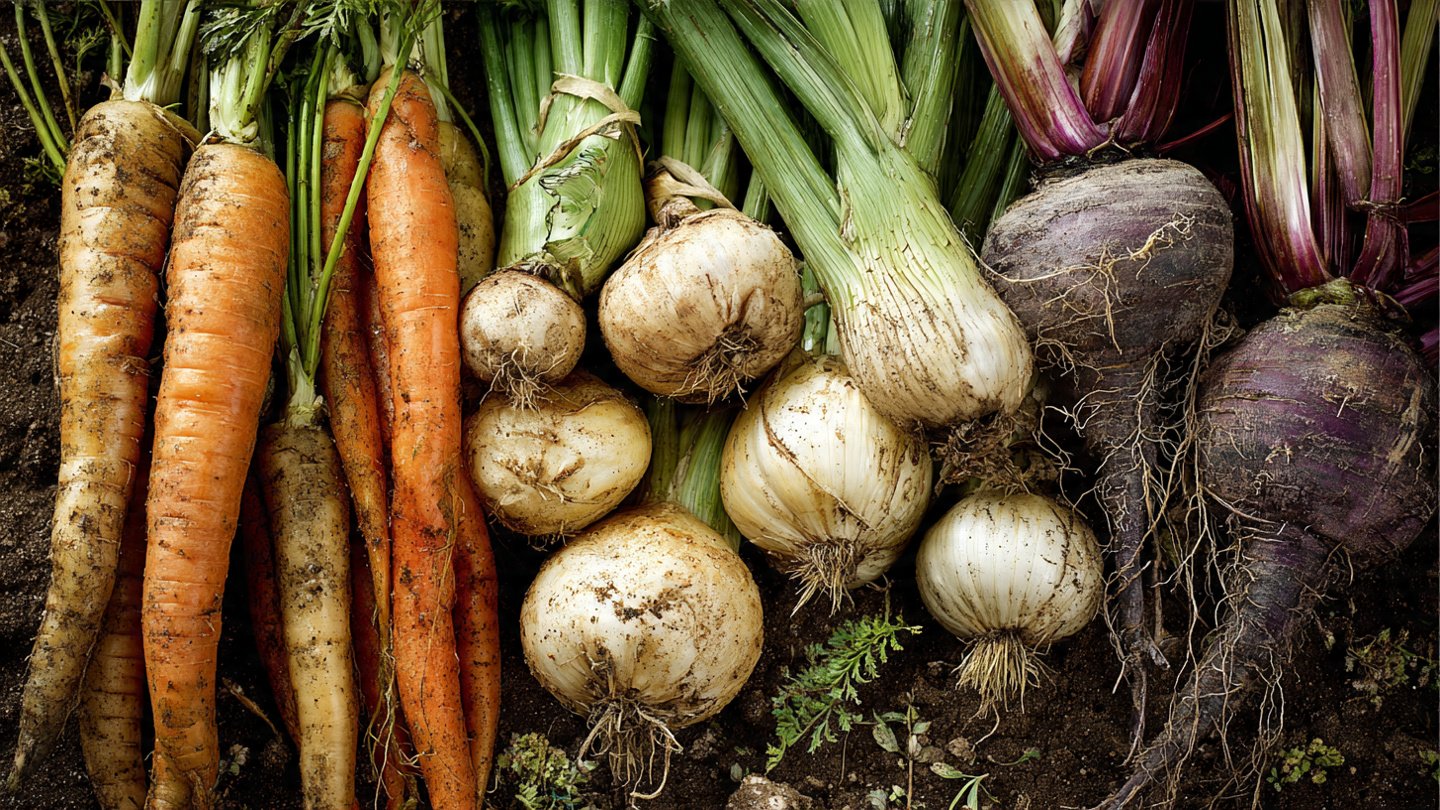
Vegetable root odors can sometimes veer into the realm of the unpleasant, leaving home cooks, gardeners, and consumers baffled. While the aroma of freshly harvested vegetables can evoke feelings of nourishment and health, certain root vegetables can emit less appealing scents that raise questions about their quality and safety. Understanding the science behind these odors can help mitigate concerns and enhance our appreciation for the vegetable kingdom.
The Basics of Vegetable Odors
Vegetables, like all plants, release a complex mixture of volatile compounds that contribute to their distinct aromas. These compounds can include aldehydes, alcohols, esters, and terpenes. Root vegetables are particularly complex due to their cellular makeup and the various biochemical processes they undergo. When a root vegetable exhibits an unpleasant odor, it often points to underlying factors that may affect its quality, freshness, and edibility.
What are Root Vegetables?
Root vegetables are underground parts of plants that store nutrients, allowing them to survive challenging conditions. Common examples include carrots, beets, turnips, sweet potatoes, and radishes. These vegetables are rich in vitamins and minerals, making them staples in many diets around the world. However, variations in smell can be a source of frustration for both gardeners and consumers.
Common Causes of Unpleasant Odors
1. Biochemical Processes
Root vegetables continue to undergo biochemical reactions after being harvested. These reactions include enzymatic processes that can produce compounds causing unpleasant smells. For instance, when root vegetables are cut or damaged, enzymes can be released that convert certain compounds into volatile organic compounds (VOCs), resulting in off-odors.

2. Microbial Activity
The root environment in which vegetables grow is home to a myriad of microorganisms. When vegetables are harvested, the natural microbial flora can shift. Spoilage bacteria and fungi may proliferate in conditions that favor their growth, leading to odors often described as “off” or “sour.” For example, if carrots are stored improperly, they can develop a slimy texture and an unpleasant smell due to bacterial activity.
Latest Posts
- How to Use Invisible Wire for a Stunning Climbing Plant Wall
- Are Your Garden Tools Making Your Plants Sick?
- How to Style a Small Studio with Columnar Cacti
- Why Is My Zucchini Shaped Like a Lightbulb?
- How to Protect Your Fruit From Birds Without Nets
- How to Keep Squirrels Away from Your Fruit Trees
- How to Protect Your Fruit from Birds Without Nets
- Why Biochar Is a Game-Changer for Your Kitchen Garden
- Why Some Rare Cacti Bloom Only One Night a Year
- How to Grow Rare Blue Strawberries at Home
3. Storage Conditions
Proper storage is crucial for maintaining the freshness of root vegetables. Exposure to high temperatures, excessive moisture, or ethylene gas from ripening fruits can cause root vegetables to spoil more quickly. For instance, potatoes stored in warm and humid conditions are likely to sprout or develop an unpleasant musty smell due to decay.
4. Chemical Imbalances
Root vegetables can accumulate certain natural compounds that might produce strong odors when concentrations rise. For example, beets contain betalains, which can produce a characteristic earthy aroma. However, stress factors such as drought or nutrient deficiency can lead to an imbalance, potentially increasing the intensity of these odors.
5. Genetic Factors
Different varieties of root vegetables can have distinct aroma profiles due to genetic differences. Some cultivars of radishes, for instance, may exhibit strong mustard-like odors, which can be off-putting to some consumers. Understanding these genetic variations can be beneficial for discerning flavor profiles when selecting vegetables for culinary use.

6. Spoilage and Decomposition
As vegetables age, they become susceptible to spoilage. Chemical processes during decomposition produce sulfur-containing compounds such as hydrogen sulfide or mercaptans, which have notably unpleasant odors. A common example is the smell associated with rotten potatoes, which can be described as a sulfurous odor reminiscent of rotten eggs.
7. Environmental Factors and Soil Contamination
The soil in which vegetables grow can influence their smell. Contaminated or overly acidic soils can impart undesirable flavors and odors to root vegetables. For example, vegetables grown in soil high in organic matter may absorb earthy aromas, while those in contaminated areas may carry unpleasant odors associated with pollutants or decaying matter.
8. Nutritional Factors
What vegetables absorb from their growing environment plays a critical role in their flavor and odor profiles. High concentrations of nitrates in the soil can lead to the production of amine compounds in the plant, contributing to a fishy or ammonia-like odor in the resulting vegetables. Sweet potatoes, for instance, may develop off-odors if grown in nutrient-rich water.
Recognizing and Addressing Unpleasant Odors
1. Visual Inspection
Before purchasing or preparing root vegetables, it is useful to perform a visual inspection. Look for signs of spoilage such as discoloration, soft spots, or mold. Carrots, for instance, should be firm and vibrant in color. Soft or shriveled carrots may emit unpleasant odors and should be discarded.

2. Smell Test
Trusting your sense of smell can be a vital part of assessing the quality of root vegetables. Fresh root vegetables typically have a mild earthy aroma. If the smell is overwhelmingly strong, sour, or off-putting, it could indicate spoilage or decay.
3. Proper Storage Practices
To minimize the development of unpleasant odors, practicing proper storage techniques is essential:
- Store root vegetables in a cool, dark, and dry place.
- Use ventilated storage containers to allow air circulation.
- Avoid storing root vegetables near fruits that emit ethylene gas.
4. Cooking Techniques
Certain cooking methods can help mitigate unpleasant odors. For example, soaking vegetables in water or using braising techniques can soften strong flavors in turnips or radishes. Adding aromatic herbs and spices during cooking can also help mask any undesirable smells.
5. Choosing Quality Products
When shopping for root vegetables, it is beneficial to choose organically grown products when possible. Organic farming practices typically result in lower chemical residues and natural growth conditions, potentially reducing the incidence of unpleasant odors.

Conclusion
Root vegetables play an essential role in our diets, offering a variety of flavors, textures, and nutritional benefits. However, unpleasant odors can sometimes arise, causing confusion and concern for consumers. By understanding the underlying causes of these odors, from biochemical processes to microbial activity, we can make informed choices about purchasing, storing, and cooking root vegetables.
Awareness of these factors can greatly enhance the culinary experience and appreciation for the vast array of vegetables available. Ultimately, fostering a deeper understanding of food origins not only improves our cooking techniques but also cultivates a greater respect for the agricultural processes that bring these nourishing foods to our tables.