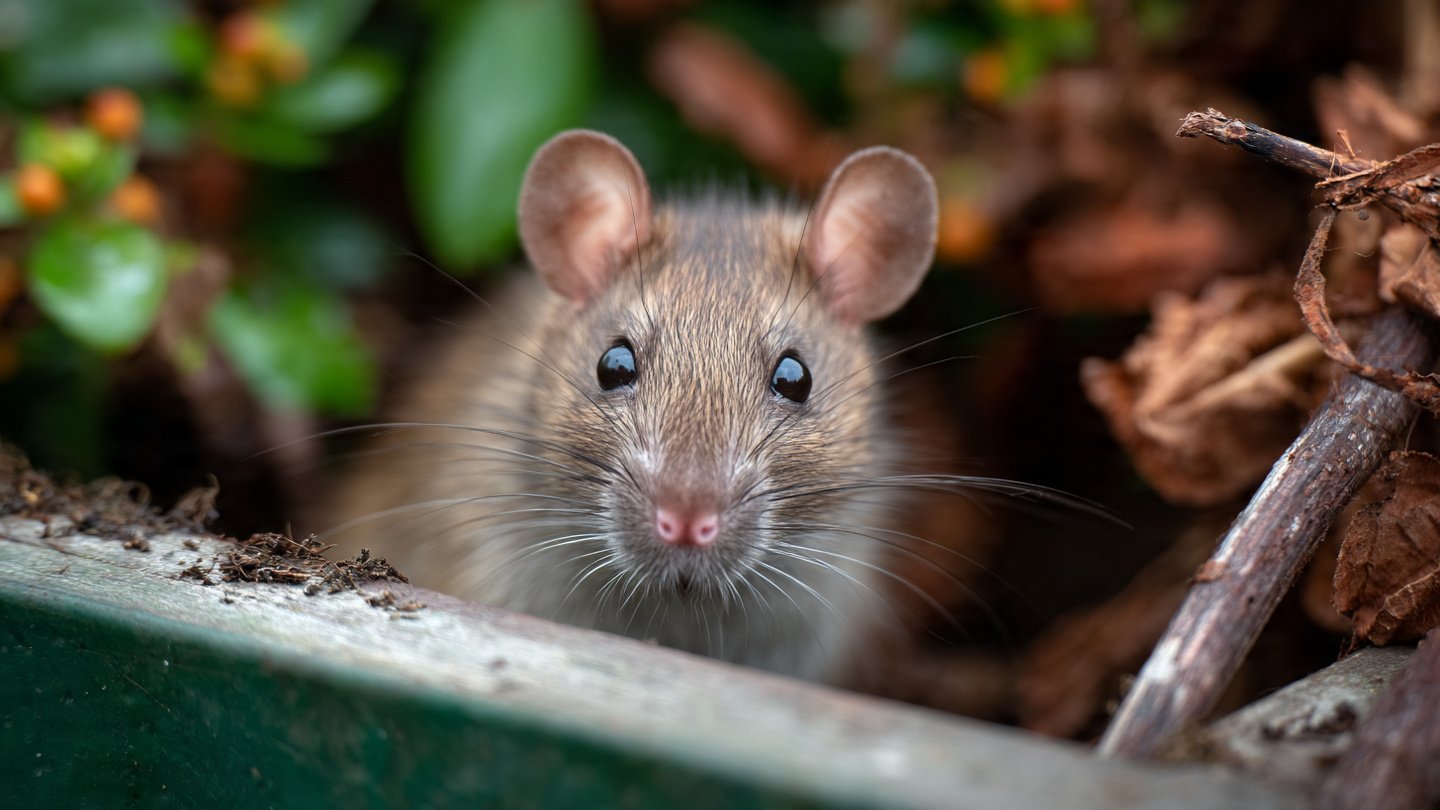
Composting is a practice that has gained popularity among eco-conscious individuals and gardening enthusiasts. It transforms organic waste into nutrient-rich soil that benefits gardens and plants. However, while composting holds numerous environmental benefits, it can also attract unwelcome pests, particularly rodents. This article delves into how compost bins can become breeding grounds for rodents, the challenges they present, and how to prevent these invasions.
Understanding Rodent Behavior
To effectively address the issue of rodents in compost bins, it’s essential first to understand rodent behavior. Rodents, particularly species like rats and mice, thrive in environments where food, shelter, and moisture are readily available. They are predominantly scavengers, opportunistic feeders seeking out easily accessible food sources. This natural behavior makes compost bins alluring for these pests.
Latest Posts
- How to Use Invisible Wire for a Stunning Climbing Plant Wall
- Are Your Garden Tools Making Your Plants Sick?
- How to Style a Small Studio with Columnar Cacti
- Why Is My Zucchini Shaped Like a Lightbulb?
- How to Protect Your Fruit From Birds Without Nets
- How to Keep Squirrels Away from Your Fruit Trees
- How to Protect Your Fruit from Birds Without Nets
- Why Biochar Is a Game-Changer for Your Kitchen Garden
- Why Some Rare Cacti Bloom Only One Night a Year
- How to Grow Rare Blue Strawberries at Home
Why Compost Bins Attract Rodents
-
Food Sources: Compost bins often contain a variety of organic materials, including fruits, vegetables, and kitchen scraps. These items emit odors that can attract rodents from considerable distances. The decomposing nature of the materials and their nutrient density make compost an appealing food source.
-
Shelter: A well-maintained compost bin provides an ideal habitat for rodents. The layers of organic matter create sheltered spaces where these creatures can hide from predators and harsh weather.

-
Moisture: Rodents require water to survive, and compost bins can retain moisture. This adds to the bin’s appeal as a habitat, particularly in dry environments where water sources may be limited.
-
Ease of Access: Poorly constructed or maintained compost bins can be easy targets for rodents. Holes, gaps, or openings can provide easy access for these pests.
The Problems Rodents Bring
Rodent infestations can lead to a myriad of problems, not just for the compost bin but for larger ecosystems and the human environment as well. Here are some significant concerns associated with rodent presence in compost piles:
Health Risks
Rodents are known carriers of numerous diseases, including hantavirus, leptospirosis, and salmonella. When rodents invade compost bins, they can contaminate the organic material, posing health risks to anyone who uses the compost in their gardens.

Garden Damage
If rodents thrive in compost bins, they may extend their territory to nearby gardens. They can chew on plants, vegetables, and fruits, leading to significant damage and reducing crop yield.
Structural Damage
Rodents are notorious for gnawing on various materials. They can damage garden equipment, tools, and even the compost bin itself. This damage can lead to costly repairs or replacements.
Ecological Impact
Rodents can disturb the local ecosystem. Their presence may attract natural predators, leading to a chain reaction that can affect other wildlife populations in the area.
Best Practices for Keeping Compost Pest-Free
While compost bins can attract rodents, there are several strategies homeowners can implement to minimize the risk of infestations. Here are some effective practices:

1. Choose the Right Compost Bin
Opt for a rodent-resistant compost bin. Some commercially available models are designed to keep pests out, featuring solid construction, tight-fitting lids, and sealed bottoms. If creating a DIY compost bin, consider using materials that are impenetrable for rodents.
2. Secure the Compost Bin
Ensure that the compost bin is secure. Close all openings and gaps, and use heavy weights or locks on lids to deter rodent entry. Regularly inspect the bin for new signs of wear and tear, and address any issues promptly.
3. Balance Your Compost Ingredients
Maintaining the right balance of nitrogen-rich (green) and carbon-rich (brown) materials is vital for effective composting. However, avoiding excess food scraps, particularly those that emit strong odors like fruit peels, can help reduce attractants for rodents. Instead, consider adding more dry, fibrous materials, such as shredded paper or leaves.
4. Turn the Pile Regularly

Regularly aerating the compost by turning it helps maintain healthy decomposition. This practice not only speeds up the composting process but also disrupts any potential rodent nests, making the compost environment less hospitable for them.
5. Monitor Moisture Levels
While moisture is necessary for composting, overly wet compost can attract rodents. Aim for a moist but not soggy consistency. If the compost appears too wet, add more dry materials to absorb excess moisture.
6. Keep the Area Clean
Keeping the area around the compost bin tidy is crucial. Remove any fallen food scraps or organic materials on the ground that might attract pests. Additionally, maintain a clean garden space, free from clutter or debris where rodents can hide and nest.
7. Use Natural Deterrents
Certain natural deterrents may help keep rodents at bay. For example, planting mint around the compost area can discourage rodent presence, as many pests dislike the strong scent. Additionally, using materials like cayenne pepper can act as a deterrent when sprinkled around the bin.

8. Implement a Pest Control Strategy
If infestation occurs, it may be necessary to use traps or baits. Opt for humane traps that allow for the safe capture and relocation of rodents. Avoid using poisons, as they can pose risks to pets, wildlife, and even humans.
9. Educate Yourself
Understanding the life cycle and reproduction habits of local rodent species can help in crafting effective strategies for prevention. Stay informed on local rodent populations’ behavior, and adapt composting practices based on seasonal changes.
Conclusion: Composting Wisely
While composting remains one of the most environmentally sustainable practices for managing organic waste, potential rodent invasions pose a challenge. By understanding the behaviors of rodents and implementing effective prevention strategies, anyone can create a composting system that benefits the environment without attracting unwanted pests.
Composting isn’t just about creating nutrient-rich soil; it’s also about fostering healthy ecosystems—both for plants and the surrounding wildlife. By being proactive and educated, gardeners can enjoy the fruits of their labor while keeping pests at bay. The journey to successful composting is a continuous learning process, rife with trial and error, but the rewards are worth the effort. Combining proper care with vigilance will ensure that compost bins enhance garden health without inviting unwanted guests.