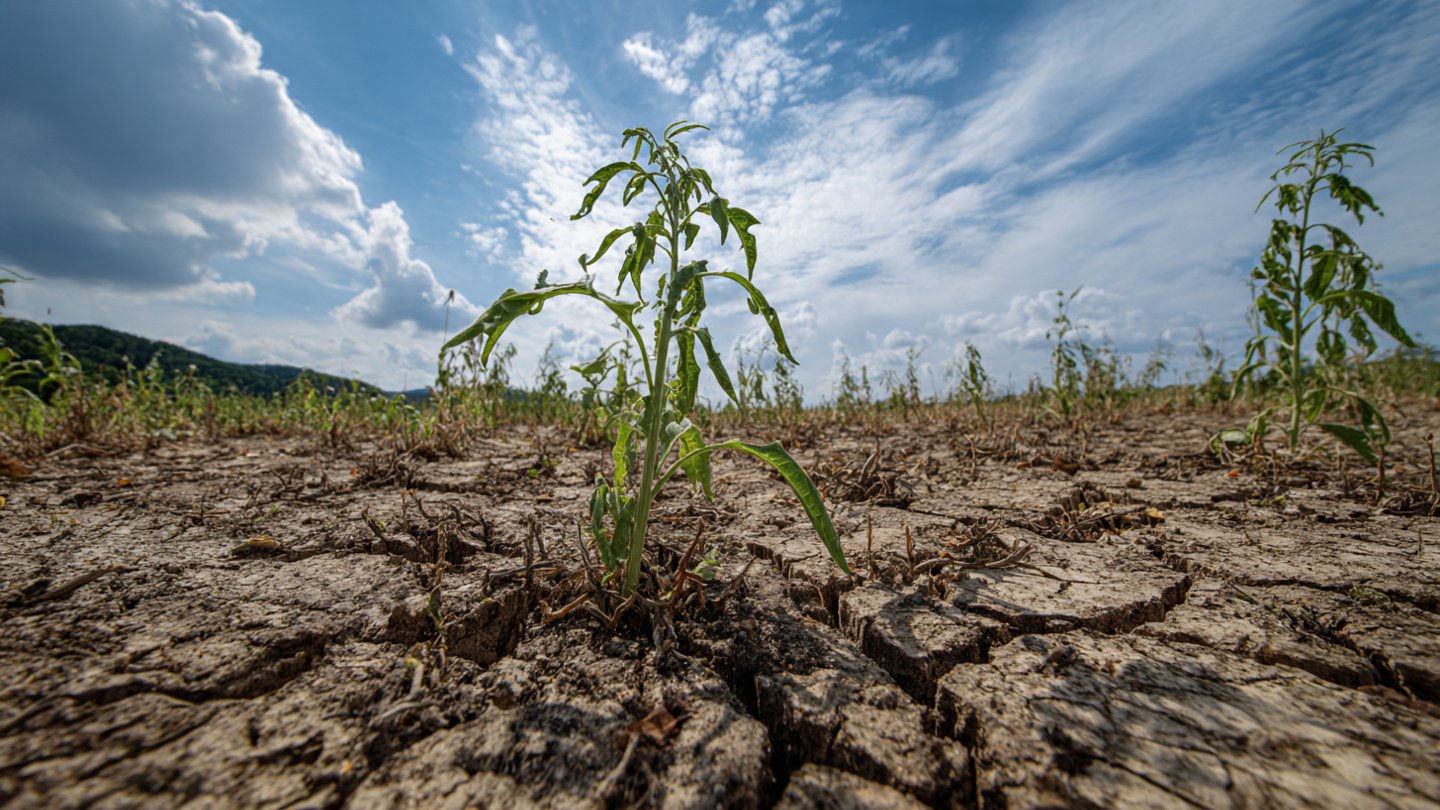
Plant growth is a complex process influenced by numerous factors that vary across diverse environments. Understanding these factors is essential for both natural ecosystems and agricultural practices. This article explores some primary aspects that contribute to uneven plant growth, covering environmental, biological, and anthropogenic influences.
1. Environmental Factors
1.1. Climate Conditions
Latest Posts
- How to Use Invisible Wire for a Stunning Climbing Plant Wall
- Are Your Garden Tools Making Your Plants Sick?
- How to Style a Small Studio with Columnar Cacti
- Why Is My Zucchini Shaped Like a Lightbulb?
- How to Protect Your Fruit From Birds Without Nets
- How to Keep Squirrels Away from Your Fruit Trees
- How to Protect Your Fruit from Birds Without Nets
- Why Biochar Is a Game-Changer for Your Kitchen Garden
- Why Some Rare Cacti Bloom Only One Night a Year
- How to Grow Rare Blue Strawberries at Home
Climate plays a crucial role in plant growth. Temperature, humidity, and precipitation patterns significantly influence how plants develop. For example, plants in temperate regions experience distinct seasonal variations, leading to growth spurts in spring and autumn dormancy. In contrast, tropical environments provide consistent warmth and moisture, promoting uniform growth year-round.
1.2. Soil Properties
The type of soil in which a plant is rooted is fundamental to its growth. Soil texture, structure, pH, and nutrient content are critical factors affecting plant health. Clay soils can retain moisture but may lead to poor aeration, while sandy soils may drain too quickly, limiting nutrient availability. Furthermore, soil pH can influence nutrient absorption; for instance, many plants prefer a slightly acidic to neutral pH.
1.3. Topography
Topographical variations can create microclimates, leading to uneven growth. Hillsides may experience more erosion and drainage, impacting moisture availability. Additionally, lower elevations often collect cold air, which can harm plants sensitive to frost. Optimal growth conditions vary significantly depending on the landscape’s configuration.

2. Biological Factors
2.1. Competition Among Plants
Competition for resources such as light, water, and nutrients can lead to uneven growth. In densely populated areas, established plants may overshadow younger ones, inhibiting their growth. This phenomenon, known as “competitive exclusion,” ensures that only the fittest plants survive in specific conditions.
2.2. Pest and Disease Pressure
Plants are susceptible to various pests and diseases that can hinder their growth. In environments where pest populations are high or diseases spread quickly, plant growth can suffer significantly. This is especially true in monoculture systems, where diversity is limited, allowing pests to thrive unchecked.
2.3. Plant Genetics
Genetics significantly affects a plant’s growth rate and ability to adapt to environmental changes. Different cultivars of the same species may display varying levels of tolerance to drought, salinity, or pests. Breeding programs aim to select and propagate plants with desirable traits, enhancing growth uniformity within agricultural systems.
3. Anthropogenic Factors

3.1. Land Use and Management
Human activities such as agriculture, urbanization, and deforestation greatly influence plant growth. Intensive farming practices, including the use of chemical fertilizers and pesticides, can lead to soil degradation, impacting plant health. Urbanization may contribute to soil compaction, reducing its ability to support vegetation.
3.2. Climate Change
Climate change is altering weather patterns, leading to unpredictable growing conditions. Increased temperatures, altered precipitation patterns, and more frequent extreme weather events challenge plants’ adaptive responses. Some species struggle to survive in rapidly changing climates, resulting in uneven growth across different regions.
3.3. Invasive Species
Invasive plant species can disrupt local ecosystems and create competition for resources. They often outcompete native species for light, space, and nutrients, resulting in declines in local biodiversity. Invasive species can grow more aggressively, leading to uneven growth dynamics in ecosystems that had previously been stable.
4. Water Availability
4.1. Irrigation Practices
Water is vital for plant growth, and the way in which it is supplied can greatly affect growth outcomes. In regions with limited rainfall, irrigation practices become crucial. However, inefficient irrigation can lead to water logging, while insufficient watering may cause stress. Well-managed irrigation practices can promote uniform growth across crops.

4.2. Drought Stress
Drought conditions can severely hinder plant development. During periods of insufficient moisture, plants may exhibit stunted growth, wilting, or even death. These effects can be exacerbated in arid climates, where the availability of water is a constant limitation, leading to a stark difference in plant growth compared to more humid environments.
5. Light Availability
5.1. Solar Radiation
The amount of sunlight reaching a plant is directly related to its rate of photosynthesis. Plants in shaded areas often grow more slowly than those receiving full sunlight. In forests, for instance, the upper canopy absorbs much of the sunlight, resulting in understory plants having to adapt to lower light conditions, impacting their growth rates and overall health.
5.2. Light Quality
Different light wavelengths affect plant growth and development. For example, red wavelengths promote flowering, while blue light encourages vegetative growth. In indoor environments where artificial lighting is used, the type and quality of light can result in uneven growth among plants, depending on their light requirements.
Conclusion

Uneven plant growth is a multifaceted issue shaped by various environmental, biological, and anthropogenic factors. To promote healthy plant development, whether in natural ecosystems or agricultural systems, it is essential to understand these influences. Future research and sustainable practices can help mitigate the adverse effects of these factors, ensuring that plants thrive in diverse environments. Effective management strategies tailored to local conditions can foster uniform growth and enhance overall ecological balance.
Frequently Asked Questions (FAQs)
1. What are the main environmental factors influencing plant growth?
Key environmental factors include climate conditions, soil properties, and topography, all of which significantly impact plant health and development.
2. How does competition among plants affect growth?
Competition for resources like light, water, and nutrients can inhibit the growth of younger or weaker plants as established species overshadow them.
3. What role does climate change play in plant growth?
Climate change alters weather patterns and can create unpredictable growing conditions, making it difficult for plants to adapt and survive.

4. How can invasive species impact local plant growth?
Invasive species can outcompete native plants for resources, leading to declines in biodiversity and uneven growth in affected ecosystems.
5. Why is water availability important for plant growth?
Water is crucial for photosynthesis and overall plant health. Insufficient or inefficient water supply can lead to stress, stunted growth, or plant death.