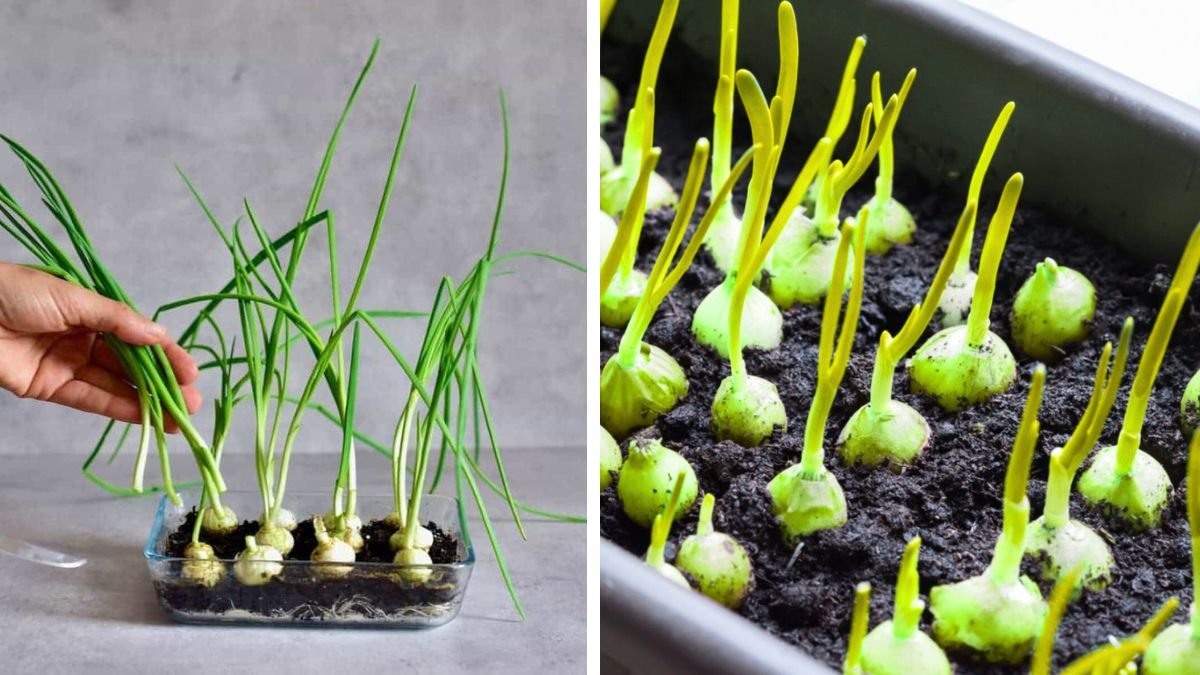
Fresh spring onion leaves, known for their vibrant flavor and versatility, are a delightful ingredient in various dishes. Not only do they elevate the taste of salads, soups, and savory dishes, but they can also be easily cultivated right in your home. Whether you have a sprawling garden or a small window sill, growing your own spring onions can be both rewarding and enjoyable. This guide will walk you through the steps involved in cultivating spring onion leaves, from planting to harvesting.
Understanding Spring Onions
Spring onions, also referred to as scallions or green onions, are young onions harvested before the bulb matures. They comprise a long, green stalk with a slightly flavored white base. The best part is that both the green and white parts are edible, making them a versatile addition to your cooking.
Latest Posts
- How to Use Invisible Wire for a Stunning Climbing Plant Wall
- Are Your Garden Tools Making Your Plants Sick?
- How to Style a Small Studio with Columnar Cacti
- Why Is My Zucchini Shaped Like a Lightbulb?
- How to Protect Your Fruit From Birds Without Nets
- How to Keep Squirrels Away from Your Fruit Trees
- How to Protect Your Fruit from Birds Without Nets
- Why Biochar Is a Game-Changer for Your Kitchen Garden
- Why Some Rare Cacti Bloom Only One Night a Year
- How to Grow Rare Blue Strawberries at Home
Benefits of Growing Spring Onions
- Freshness: Homegrown spring onions are fresher than store-bought ones.
- Cost-effective: Growing your own can save you money over time.
- Space-saving: They thrive in pots and can be grown in limited spaces.
- Year-round availability: You can grow them indoors or outdoors, ensuring a constant supply.
- Nutritional Value: Packed with vitamins A, C, and K, they add a punch of nutrition to your meals.
Steps to Cultivate Spring Onion Leaves
Step 1: Choosing the Right Variety
While there are several varieties of spring onions, some popular ones include:
- Green Onion: Mild flavor, commonly found in grocery stores.
- Japanese Bunching Onion: Cylindrical and slightly sweeter.
- Welsh Onion: Perennial spring onion with a robust taste.

Choose a variety that suits your taste preference and growing conditions.
Step 2: Preparing for Planting
Containers
- Pots: If you’re growing indoors or on a small balcony, choose pots that are at least 6 inches deep and have drainage holes.
- Garden Beds: For outdoor gardening, prepare a well-draining garden bed.
Soil
- Type: Use loamy soil that retains moisture but drains well. A mix of potting soil with perlite or sand is ideal.
- pH Level: Onions thrive in slightly acidic to neutral pH (6.0-7.0).
Step 3: Planting
Seeds vs. Sets
You can grow spring onions from seeds, sets (small bulbs), or even kitchen scraps:
- Seeds: Sow seeds about ¼ inch deep, spaced 1-2 inches apart.
- Sets: Plant sets with the pointed end facing up, about 1 inch deep.
- Kitchen Scraps: You can regrow spring onions from the roots of store-bought ones. Place the roots in water, and they will sprout green leaves within days.

Step 4: Watering
Spring onions require regular watering, especially during dry spells. Water the plants when the top inch of soil feels dry. Be cautious not to overwater; soggy soil can lead to rot.
Step 5: Sunlight Requirements
Spring onions thrive in full sunlight, requiring at least 6 hours of direct sunlight daily. If you’re growing them indoors, place them near a south or west-facing window. If sunlight is limited, consider using grow lights.
Step 6: Fertilization
Fertilizing your spring onions will promote healthy growth:
- Type: Use a balanced fertilizer, ideally one that is nitrogen-rich.
- Frequency: Fertilize every 4-6 weeks or as indicated on the product label.
Step 7: Pest and Disease Management
Keep an eye out for common pests such as aphids and onion flies. Use organic pest control methods such as neem oil or insecticidal soap. Good airflow and crop rotation can help prevent diseases like downy mildew and onion rot.
Step 8: Harvesting
Spring onions are typically ready to harvest in 8-12 weeks, depending on the growth conditions and variety. When the green tops are at least 6 inches tall:

- Check the Bulbs: Gently dig around the onions to see if the bulbs have formed.
- Cutting: Use scissors to cut the greens, leaving about an inch above the soil to allow regrowth, or pull them straight from the ground.
Step 9: Storing Your Harvest
Fresh spring onion leaves can be stored in the refrigerator for up to a week:
- Method: Wrap them in a damp paper towel and place them in a plastic bag or container.
- Freezing: If you want to store them longer, chop and freeze the leaves in an airtight container.
Tips for Successful Cultivation
- Crop Rotation: Avoid planting spring onions in the same spot year after year to minimize disease.
- Companion Planting: Grow with carrots, beets, or other compatible plants to deter pests naturally.
- Regular Trimming: Trim any yellowing leaves to encourage new growth.
Troubleshooting Common Issues
Yellowing Leaves
This can be a sign of overwatering or nutrient deficiencies. Ensure proper drainage and fertilization.
Sparse Growth
If your spring onions are not growing well, they might not be receiving enough sunlight or space. Check their light exposure and consider thinning overcrowded plants.
Flowering
If your spring onions are starting to flower, it indicates they’re maturing. While the blooms are edible, they may affect the flavor. Cut flower stalks to redirect energy back to the bulbs.
FAQs
Can I grow spring onions in water?
Yes! Place the roots in a container of water, ensuring they’re submerged. Change the water regularly to prevent stagnation.
How often should I water my spring onions?
Water when the top inch of soil feels dry—typically every few days. Adjust based on climate and growth conditions.
How long do spring onions take to grow?
Spring onions take about 8-12 weeks to grow to maturity, depending on the variety and growing conditions.
Can I regrow spring onions from store-bought ones?
Absolutely! Place the roots of spring onions in water, and they will grow new green leaves.

What is the best time to plant spring onions?
You can plant spring onions in the spring or fall. They thrive in cooler temperatures.
Do spring onions need full sun?
Yes, they require at least 6 hours of direct sunlight daily. If grown indoors, a south or west-facing window works best.
How do I prevent pests?
Regularly check for signs of pests and use organic controls like neem oil. A healthy plant is less likely to be attacked, so providing proper care is crucial.
Can I freeze spring onion leaves?
Yes! Chop the leaves and freeze them in an airtight container for long-term storage.
What should I do if my spring onions bolt?
If your spring onions start to flower, trim the flowers to keep the plant focused on bulb growth or replant them for new growth.
Conclusion
Cultivating fresh spring onion leaves at home is a straightforward and gratifying process. With the right variety, adequate care, and attention to detail, you can enjoy a bountiful harvest of this tasty ingredient. Whether you’re an experienced gardener or a beginner, growing spring onions offers not only culinary delights but also the joy of nurturing plants. Start your journey today, and watch your cooking transform with the fresh, vibrant flavor of homegrown spring onions!