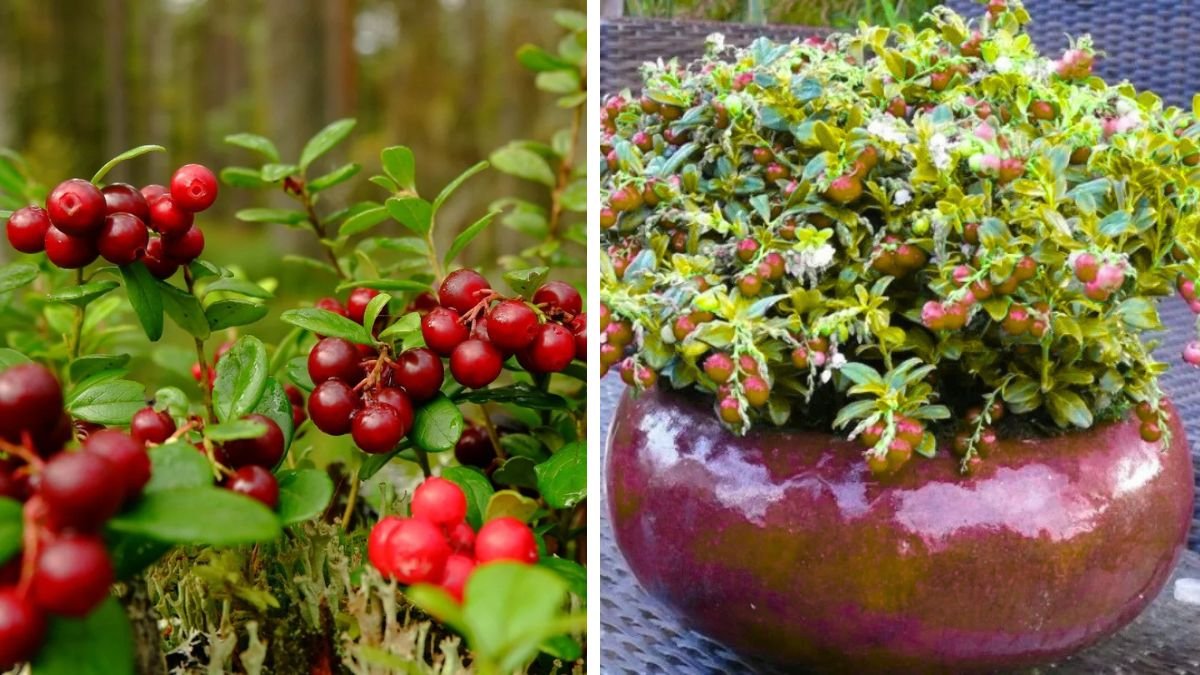
Cranberries are not just an essential ingredient for holiday sauces and desserts; they can also be a rewarding plant to grow at home. Their vibrant color, tart flavor, and distinctive health benefits make them a prized addition to any home garden. This article will explore everything you need to know about successfully growing cranberry plants, from choosing the right variety to harvesting and enjoying your delicious berries.
Understanding the Cranberry Plant
Before beginning your cranberry-growing journey, it’s essential to understand the plant itself. Cranberries (Vaccinium macrocarpon) are low-growing, trailing vines that thrive in acidic, sandy soils and require consistent moisture to flourish. These plants are perennial, meaning they will return year after year, making them a sustainable choice for your garden.
Latest Posts
- How to Use Invisible Wire for a Stunning Climbing Plant Wall
- Are Your Garden Tools Making Your Plants Sick?
- How to Style a Small Studio with Columnar Cacti
- Why Is My Zucchini Shaped Like a Lightbulb?
- How to Protect Your Fruit From Birds Without Nets
- How to Keep Squirrels Away from Your Fruit Trees
- How to Protect Your Fruit from Birds Without Nets
- Why Biochar Is a Game-Changer for Your Kitchen Garden
- Why Some Rare Cacti Bloom Only One Night a Year
- How to Grow Rare Blue Strawberries at Home
Varieties of Cranberry Plants
There are several varieties of cranberries to consider for home cultivation:
-
Early Black: This is a popular variety for home gardens, producing dark red berries with a slightly sweet flavor.
-
Stevens: Known for its high yield and good disease resistance, Stevens is a common choice for commercial growers as well.
-
Ben Lear: This variety has excellent flavor and is resistant to many common pests and diseases.
When selecting a variety, consider factors like climate suitability, disease resistance, and whether you want the berries for fresh eating, cooking, or preserving.
Preparing Your Garden
Choosing the Right Location

Cranberries thrive best in full sunlight with at least six hours of direct sunlight daily. They prefer cooler climates but can be grown in warmer zones with adequate moisture. If space allows, plant them near a water source, such as a pond or drip irrigation system, as cranberries require consistent moisture.
Soil Preparation
Cranberries require acidic soil with a pH of about 4.5 to 5.5. Here’s how to prepare the soil:
-
Testing Soil: Use a soil test kit to check the pH of your garden soil. If it’s too alkaline, you can lower the pH by adding sulfur or peat moss.
-
Soil Amendments: Incorporate organic matter, such as compost, into the soil to improve drainage and nutrient content.
-
Raised Beds: If your native soil lacks the right acidity, consider creating raised beds filled with an appropriate soil mix, comprising sphagnum peat moss and sand.
Planting Cranberries
Planting Time
The best time to plant cranberry plants is in the spring after the last frost has passed. If you’re using bare-root plants, soak the roots in water for several hours before planting.
Planting Technique
-
Spacing: Space your plants about 18-24 inches apart to allow for spreading.
-
Depth: Dig holes deep enough to accommodate the roots without bending them. Generally, the tops of the roots should be just under the soil surface.
-
Watering: After planting, water thoroughly to help settle the soil around the roots.

Caring for Your Cranberry Plants
Watering Needs
Cranberries require a significant amount of water, especially in hot, dry periods. Ideally, keep the soil consistently moist, but ensure good drainage to prevent root rot. Consider using a drip irrigation system or soaker hoses for efficient watering.
Fertilization
Cranberry plants benefit from fertilization:
-
Organic Fertilizers: Use organic fertilizers that are low in phosphorus, as cranberries are sensitive to high levels of this nutrient.
-
Timing: Fertilize in early spring and again in mid-summer to promote healthy growth.
Mulching
Applying a layer of mulch (about 2-3 inches) can help retain moisture, suppress weeds, and keep the soil temperature stable. Use pine needles, wood chips, or straw as suitable mulch materials.
Pruning

Regular pruning helps maintain air circulation and encourages healthy growth. Remove dead or diseased parts of the plant or any excess growth in early spring before new growth appears.
Pest and Disease Management
Cranberries can be susceptible to various pests and diseases, including:
-
Cranberry Fruitworm: Use organic pesticides or hand-picking to manage these pests.
-
Fungus: Powdery mildew and other fungal infections can be managed with good air circulation and proper spacing. If necessary, apply organic fungicides.
-
Weeds: Keep the area around your cranberry plants free from weeds that can compete for nutrients and moisture.
Regular monitoring of your plants will help you catch any issues early and protect your crop.
Harvesting Your Cranberries
Cranberries are typically ready to be harvested in late fall, around September to November, depending on your location and the specific variety. Here’s how to know when they’re ripe:
-
Color: Ripe cranberries will be a deep red color.
-
Taste: If you’re uncertain, sample a few berries! They should have the characteristic tart flavor.
-
Harvest Method: You can hand-pick cranberries, but many homeowners choose to use the “wet harvest” method, similar to commercial cranberry bogs. This method involves flooding the beds and using a specialized harvester or net to gather the berries effortlessly.
Enjoying Your Cranberries
Fresh cranberries can be used in various ways:
-
Sauces and Jams: Cook them down with sugar and water for delicious sauces or jams.
-
Baking: Incorporate them into muffins, bread, and desserts for a pop of flavor.
-
Salads and Savory Dishes: Add fresh or cooked cranberries to salads, grain dishes, or meat recipes for a unique twist.
FAQs
1. Can I grow cranberries in containers?
Yes, you can grow cranberries in containers as long as you provide the right acidic soil and consistent moisture. Choose a large container to accommodate the root system, and ensure it has good drainage.
2. How long does it take for cranberry plants to produce fruit?
Cranberry plants typically take about three years to produce a significant crop of berries. Patience is key!

3. Are cranberry plants perennial?
Yes, cranberry plants are perennial and can produce fruit for many years when properly cared for.
4. What is the best way to store harvested cranberries?
Fresh cranberries can be stored in the refrigerator for several weeks. You can also freeze them for long-term storage; simply wash and dry the berries before placing them in an airtight container or freezer bag.
5. Are cranberries easy to grow at home?
With the proper care and conditions, cranberries can be relatively easy to grow. They thrive in acid soil and require consistent moisture, making attention to their needs essential.
6. Can I grow cranberries in warmer climates?
Cranberries prefer cooler climates, but with proper care, they can be grown in warmer areas. Ensure consistent moisture and choose varieties that are more heat-tolerant.
7. Do cranberries attract wildlife?
Yes, cranberry plants do attract wildlife, including birds and small mammals. While this can be beneficial for pollination, it can also lead to some berries being eaten before you harvest them.
Growing cranberries at home can be a fulfilling endeavor. With the right preparation and care, you can enjoy a bountiful harvest of delicious berries year after year. Happy gardening!