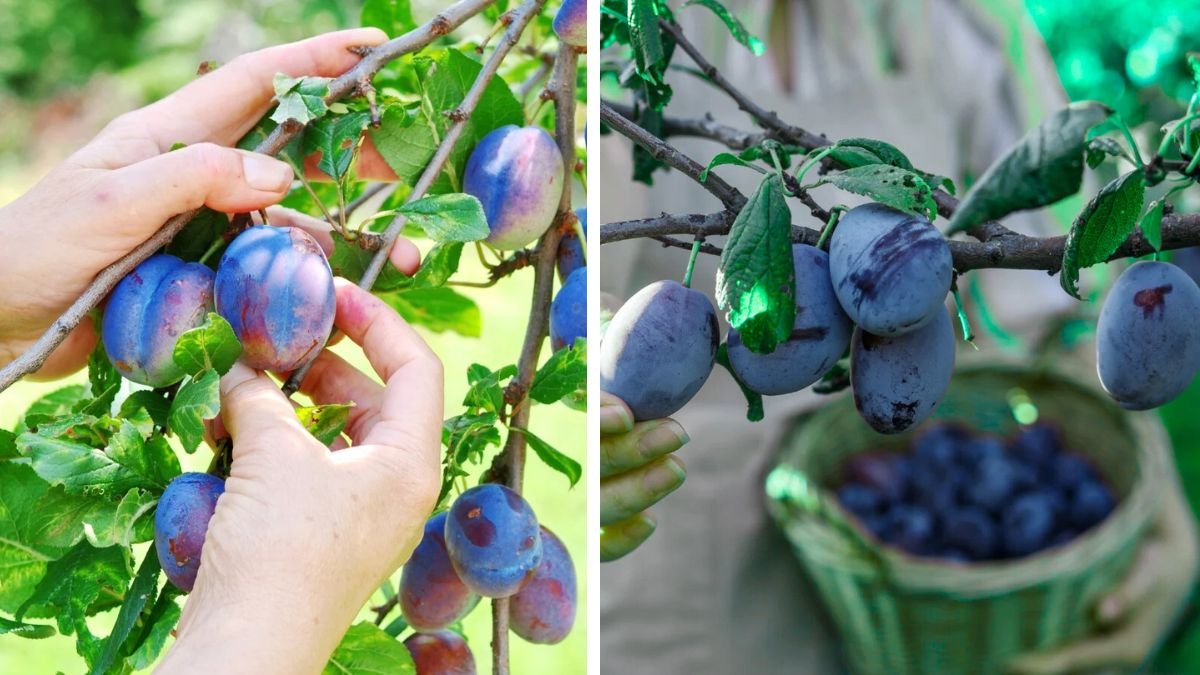
European plums (Prunus domestica) are a delightful addition to any backyard garden, offering juicy, sweet fruits perfect for fresh eating or culinary creations. Often larger and juicier than their Japanese counterparts, these plums come in an array of colors and varieties, making them a favorite among home gardeners. If you’re considering adding European plums to your garden, this ultimate guide will walk you through everything you need to know: from selecting the right variety to caring for your trees and harvesting the fruits.
1. Understanding the European Plum
Varieties
Latest Posts
- How to Use Invisible Wire for a Stunning Climbing Plant Wall
- Are Your Garden Tools Making Your Plants Sick?
- How to Style a Small Studio with Columnar Cacti
- Why Is My Zucchini Shaped Like a Lightbulb?
- How to Protect Your Fruit From Birds Without Nets
- How to Keep Squirrels Away from Your Fruit Trees
- How to Protect Your Fruit from Birds Without Nets
- Why Biochar Is a Game-Changer for Your Kitchen Garden
- Why Some Rare Cacti Bloom Only One Night a Year
- How to Grow Rare Blue Strawberries at Home
European plums are divided into two main categories based on their skin color: blue and yellow. Some popular varieties include:
- Stanley: A blue plum that is highly regarded for its sweetness and excellent flavor. This variety is great for fresh eating as well as for canning and baking.
- Damson: A smaller, tart purple plum known for making jams and jellies. It’s also used for producing plum wine.
- Mirabelle: A small, sweet yellow plum mostly grown in Lorraine, France. Ideal for making conserves and desserts.
- Satsuma: A medium-sized, sweet purple plum, great for eating fresh.
Growing Zones
European plums thrive best in USDA Hardiness Zones 5 to 8. They prefer a temperate climate with distinct seasons, including a chilling period in winter for proper fruit set.
2. Selecting the Right Site
Sunlight
Plum trees require full sunshine to produce sweet, juicy fruit. Aim for at least six to eight hours of direct sunlight each day. Choose an open area in your yard that is not shaded by buildings or larger trees.

Soil Type
Plums prefer well-drained loamy soil with a pH of 6.0 to 7.0. If your soil is heavy clay or overly sandy, you may need to amend it with organic matter. Conduct a soil test to determine your soil’s pH and nutrient levels.
Drainage
Good drainage is essential for plum trees, as excess water can lead to root rot. Ensure that the planting site has proper drainage or consider planting on a mound to improve soil aeration.
3. Planting European Plums
Timing
The best time to plant plum trees is in early spring after the last frost or in late fall when the tree is dormant. This allows the roots to establish before the fruiting season.
Spacing
When planting multiple trees, space them about 12 to 15 feet apart to allow adequate air circulation and sunlight.
Planting Steps
- Dig the Hole: Make a hole about twice as wide and as deep as the root ball.
- Prepare the Tree: Remove the tree from its pot, gently loosening any tightly bound roots.
- Plant the Tree: Place the tree in the hole, ensuring the graft union (the swollen area where the tree was grafted) is above soil level.
- Backfill and Water: Fill the hole with soil, gently packing it down. Water the tree thoroughly after planting to settle the soil around the roots.

4. Caring for Your Plum Trees
Watering
Plums require consistent moisture, particularly during dry spells. Water deeply but infrequently, allowing the top few inches of soil to dry out between waterings. Drip irrigation systems work well for maintaining consistent moisture levels.
Fertilizing
- Spring Fertilization: Use a balanced fertilizer in early spring as new growth begins. Avoid high-nitrogen fertilizers, which can encourage excessive leaf growth at the expense of fruit.
- Mid-season Check: A second application can be made in early summer if necessary, particularly if growth appears stunted.
Pruning
Regular pruning encourages a strong structure and fruitful growth:
- Timing: Prune in late winter or early spring while the tree is still dormant.
- Method: Remove any dead or crowded branches to improve air circulation. Aim for a vase shape to encourage sunlight penetration into the canopy.
Pest and Disease Management
European plums are susceptible to various pests and diseases. Here are a few to watch for:

- Pests: Aphids, plum curculio, and spider mites are common pests. Implement integrated pest management techniques, using insecticidal soap or neem oil as needed.
- Diseases: Brown rot and bacterial canker can affect plum trees. Keep the area around the tree clean and consider applying fungicides during the growing season.
5. Pollination
Most European plums are self-pollinating, but planting more than one tree can enhance fruit set and yield. Cross-pollination can improve the size and quality of the fruit. Consider planting compatible varieties like Stanley and Satsuma together for optimal results.
6. Harvesting European Plums
When to Harvest
Plums are usually ready for harvest in late summer to early fall, depending on the variety. Look for the following signs:
- The fruit should easily detach from the tree when gently twisted.
- The color should deepen, revealing the variety’s characteristic hue.
Storage Tips
Store plums in a cool, dry place. They ripen after being picked, so they can be left at room temperature for a few days to achieve optimal sweetness.
7. Culinary Uses
European plums are versatile in the kitchen:
- Fresh Eating: Enjoy plums fresh in salads or on their own.
- Canning: Preserve plums by canning them in jars, making jams, or preparing sauces.
- Baking: Utilize plums in pies, tarts, and crumbles for a delicious dessert option.
8. FAQs
What is the ideal pH level for growing European plums?
European plums thrive in well-drained soil with a pH level between 6.0 and 7.0. If you’re unsure about your soil’s pH, consider conducting a soil test for accurate results.
How much sunlight do European plums need?
European plums require at least six to eight hours of direct sunlight each day to produce fruit. Ensure your planting site is not shaded by nearby structures or trees.
Do I need to prune my plum trees?
Yes, regular pruning is necessary to maintain a strong structure and encourage fruitful growth. Prune in late winter or early spring before new growth begins.
Can European plums grow in containers?
Yes, European plums can be grown in containers, but it’s essential to choose a dwarf variety and provide adequate watering and fertilization. Ensure your container has draining holes to prevent waterlogging.
How can I tell when my plums are ripe?
Ripe plums should easily detach from the tree when gently twisted. They should also exhibit the color characteristic of the variety. For example, blue varieties should take on a deep blue hue.
Are European plums prone to any diseases?
Yes, European plums can be affected by several diseases, including brown rot and bacterial canker. Good cultural practices, such as pruning for airflow and keeping the area clean, can minimize the risk.
How can I increase the fruit set on my plum trees?
While most European plums are self-pollinating, planting multiple compatible varieties can enhance fruit set and yield. This cross-pollination can improve the size and quality of the fruit.
What type of fertilizer should I use for European plums?
Use a balanced fertilizer in early spring to promote healthy growth. High-nitrogen fertilizers should be avoided, as they can lead to more leaf growth than fruit.
Conclusion
Growing European plums in your backyard garden can be a rewarding experience, providing you with delicious fruits for years to come. With the right knowledge about site selection, care, and maintenance, you can cultivate thriving plum trees that will enhance your culinary adventures. Adhering to this ultimate guide will set you on the path to becoming a successful plum gardener. Embrace the process, enjoy the blooms in spring, and look forward to delicious harvests in late summer!